Tag: update

  • Get up to $524 for your Google Pixel 6a

    Get up to $524 for your Google Pixel 6a

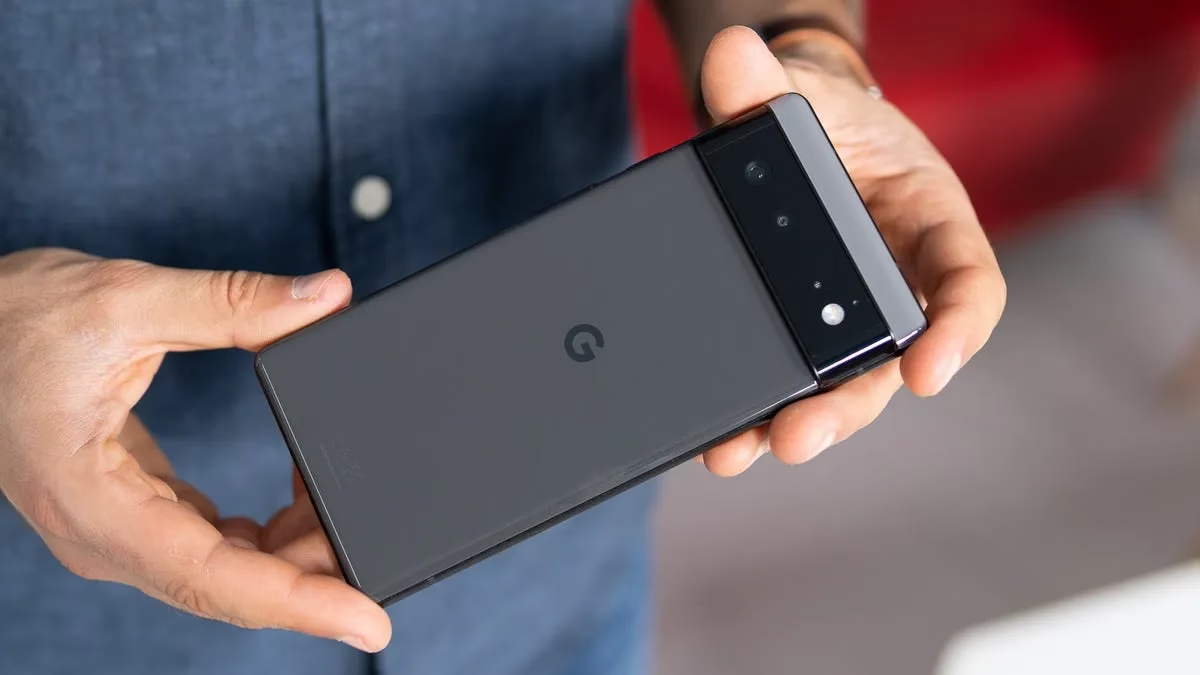
    With Google’s surprise and abrupt hike in trade-in prices, now is an excellent time to exchange your damaged Pixel 6a for $524. You won’t find a better deal elsewhere.

    The Pixel 6a’s battery will be throttled by a necessary update that Google is releasing on July 8th, for those who are unaware. This is a reaction to earlier this year’s allegations of phones overheating. The Pixel 4a experienced a similar issue, and the upgrade eventually reduced the phone’s battery life to a few hours.

    According to Google, the Pixel 6a’s battery capacity will be lowered after 400 charge cycles or if the device is found to be impacted by the issue. Depending on where you live, the search company will replace your battery for free. But, utilizing the greatest trade-in offer I’ve seen this year is a better choice.

    Google U.K. introduced a new campaign last week that increases trade-in pricing, meaning that phones that are effectively dead will get a sizable payoff. The regular Pixel 9 costs up to £675 ($920.50), the Pixel 9 Pro and XL versions cost £820 ($1118.24), and the Pixel 9 Pro Fold costs £1,045 ($1425.07). In addition to its standard trade-in assessments, Google claims that this adds a bonus of between £200 ($272.58) and £400 ($545.16).

    Google will give you more money for your old phone

    google pixel 9 pro amazon deal

    Google Pixel 9 Pro

    Pixel 9 Pro with Gemini is the most powerful Pixel yet, and now comes in two sizes; it has a pro-level camera and it’s engineered by Google, so it gets the best of Google AI first

    $999.00$749.00Amazon

    The company will pay £384 ($523.78) for your Pixel 6a. You won’t get anything like that for a Pixel 6a unless you con someone on eBay by sending them a broken Pixel 6a instead of an iPhone 14 (don’t do that). This is a good offer that I haven’t seen from Google or any other manufacturer before, if you’re not put off by their battery-related antics.

    • Google Pixel 7 Pro – £454 ($618.75)
    • Google Pixel 6 Pro – £415 ($565.60)
    • Google Pixel 5 – £377 ($513.81)
    • Apple iPhone 14 Pro Max – £657 ($895.42)
    • Apple iPhone 11 Pro Max – £447 ($609.21)
    • Samsung Galaxy S23 Ultra – £517 ($704.62)
    • Samsung Galaxy S10 Plus – £373 ($508.36)

    Google releases the battery restricting update on July 8th, which also happens to be the day the offer finishes. But don’t worry, there will be more in the future given the scope and regularity of Google, Samsung, and Amazon’s promotional offers.
  • HyperOS 2.3 with Android 16 expected soon

    HyperOS 2.3 with Android 16 expected soon

    Xiaomi has further cemented its status as a leader in software innovation by formally releasing its HyperOS 2 developer preview, which is based on Android 16 Beta 2. Xiaomi is among the first manufacturers to use Google’s most recent operating system, and the beta program started in April 2025. Xiaomi is at the forefront of Android development thanks to this 2000-person limited beta program, which gives developers and tech enthusiasts early access to new HyperOS 2 features and Android 16 advancements.

    Xiaomi 15 to be the first

    The first build of the HyperOS 2 (version 2.0.230.6), which is based on Android 16, was sent to the Xiaomi 15, the flagship device leading this update. While providing updated system apps and performance enhancements, this version concentrates on building a solid Android 16 foundation. More releases are presently undergoing testing, demonstrating Xiaomi’s continued dedication to improving its user interface and software platform.

    REDMI K70 Ultra to follow

    Following the Xiaomi 15, the REDMI K70 Ultra is next in line for the Android 16-based HyperOS 2 update. This move demonstrates Xiaomi’s strategic approach to expanding the latest Android experience across multiple product segments, not just its flagship lineup.

    Next in line for the Android 16-based HyperOS 2 update after the Xiaomi 15 is the REDMI K70 Ultra. This action reflects Xiaomi’s calculated strategy to bring the newest Android experience to more product categories than simply its flagship line.

    redmi k70 hyperos update android 16

    Key Features and Improvements

    Highlights of the HyperOS 2 Android 16 beta include:

    • Upgraded system applications with enhanced performance
    • The latest Android 16 security patches
    • Improved HyperConnect integration for seamless device interaction
    • Expanded developer tools and debugging functionality
    • Added a shortcut to invoke the custom accessibility function by swiping up with two fingers
    • Optimized some scene animation strategies to improve system fluenc

    Both the final Android 16 release and the stable HyperOS 2 update are expected to be available by June 2025, underlining Xiaomi’s dedication to rapid adoption of the latest Android advancements.

    HyperOSUpdates.com provides developers and early adopters with the most recent HyperOS updates and information. Furthermore, the MemeOS Enhancer software, which can be found on the Play Store, has sophisticated features like the ability to upgrade system apps, access secret Xiaomi features, and facilitate update management straight from the device.

  • When to expect Android 16-based Nothing OS 4.0

    When to expect Android 16-based Nothing OS 4.0

    As its first real flagship, Nothing announced the Nothing Phone (3) yesterday, promising seven years of security patches and five years of operating system upgrades. However, the Nothing Phone (3) runs Nothing OS 3.5, which is based on Android 15, even though Google has released Android 16 in a stable version. Nothing has disclosed the timeline for the distribution of Android 16 for its handsets, but it has not given a precise release date.

    Carl Pei, the founder and CEO of Nothing, stated during yesterday’s unveiling that Nothing OS 4.0, which is built on top of Android 16, will be available “later this autumn.” It’s safe to assume that the Nothing Phone (3) will get Nothing OS 4.0 first, with earlier variants receiving the update later.

    nothing os android 16

    Pre-orders for the Nothing Phone (3) will open on July 4 and sales will commence on July 15. The Snapdragon 8s Gen 4 SoC, a 6.67″ 120Hz 1,260p OLED screen, four 50MP cameras, and a 5,150 mAh battery (or 5,500 mAh in India) are the main features of the Phone (3).

    Stay connected with the latest from Droid Tools—follow us on X @droid_tools, like our page on Facebook, check out our updates on Instagram, and follow us on Google News for real-time news, device tips, and mobile tech insights.

  • Smoother performance along with HyperOS 2.2 Launcher update

    Smoother performance along with HyperOS 2.2 Launcher update

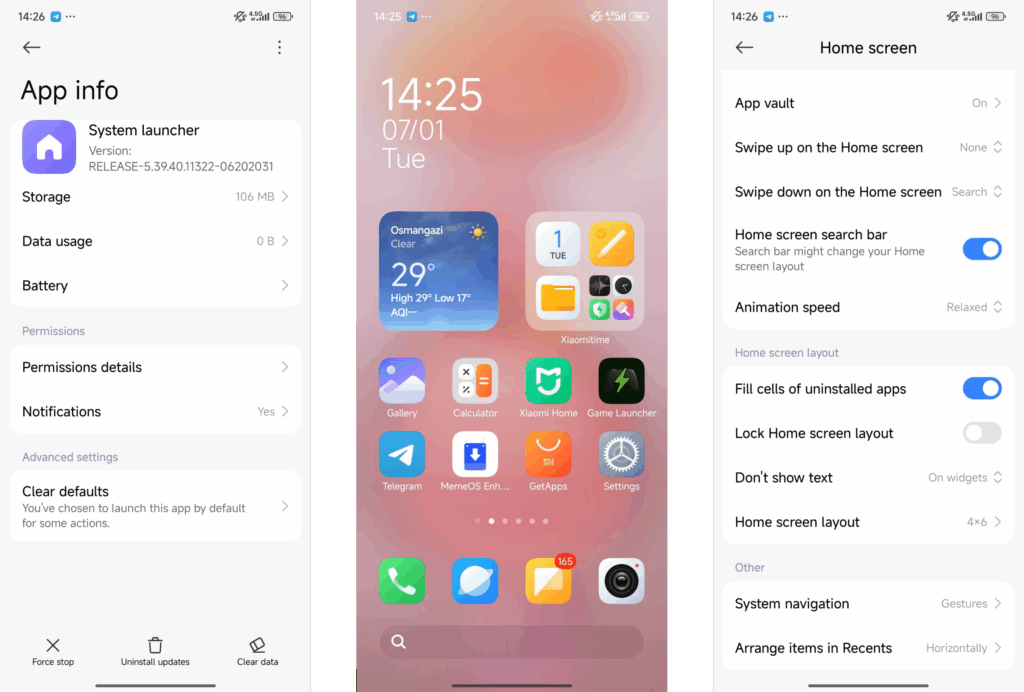
    A new version of the HyperOS 2.2 launcher, RELEASE-5.39.40.11322-06202031, has been released by Xiaomi. Although this version doesn’t have any noteworthy improvements, it’s nonetheless crucial because its main goals are system speed optimization and stability enhancement. These maintenance releases are essential to Xiaomi’s continuous dedication to user pleasure and a smooth experience throughout their ecosystem, as the firm has millions of users depending on its platform every day.

    his update is all about improving the fundamentals. The HyperOS launcher, which serves as the main interface for all Xiaomi devices running the latest firmware, is now running smoother thanks to:

    • Greater system stability and fewer crashes
    • Improved memory management for enhanced multitasking
    • Smoother animations due to optimized resource allocation
    • Several bug fixes targeting launcher-related issues
    • Better compatibility with third-party apps

    These adjustments help ensure the user interface remains responsive and reliable, especially for those using older Xiaomi devices.

    It’s easy to update. Users can update via the built-in system updater or by downloading the APK if they would rather install it manually. The MemeOS Enhancer app on the Play Store offers extra tools for system app administration and update access for professionals who are in charge of several devices or who are searching for more sophisticated features.

    Performance benefits for HyperOS 2.2 Launcher

    Several performance snags noted in earlier releases have been fixed in this upgrade. Users should anticipate a discernible improvement in system responsiveness overall, as well as quicker home screen loading and seamless app transitions. In commercial settings, where device efficiency and dependability are non-negotiable, these enhancements are especially beneficial.

  • Did Samsung fixed battery drain bug with June 2025 patch?

    Did Samsung fixed battery drain bug with June 2025 patch?

    Many Samsung Galaxy users reported that their phones’ batteries began to drain more quickly than normal after updating to One UI 7. This problem primarily impacted premium phones such as the Galaxy Z Fold 5 and S24 series. According to recent data, the most recent security patch has resolved the One UI 7 devices’ battery depletion problem.

    Despite One UI 7’s improved appearance and additional functions, some phones’ batteries died significantly more quickly than they used to. It appears that Samsung may have quietly resolved this issue with the June 2025 security patch.

    Users of the Z Fold 5 and Galaxy S24 have reported that installing the June 2025 security update significantly improved their battery life. One user even claimed that the battery life of his Galaxy Z Fold 5 had increased by “400%.” Users of the Galaxy S24 and S24+ also reported gains, albeit they weren’t that significant.

    Earlier this month, the June update for the Galaxy Z Fold 5 and S24 series models began to trickle out. With this update, consumers are now seeing longer battery life.

    Security updates are typically created to address vulnerabilities and issues. However, occasionally they also aid in enhancing the phone’s functionality, such as battery life. In order to include new features, bug repairs, and upgrades, it also updates a number of apps to the most recent version.

    Although Samsung has not formally addressed the battery problem, several customers think the update was helpful. You might wish to see if the June update is available for your phone if the battery has been rapidly depleting after the One UI 7 update. Better battery life is already being noticed by certain users.

    Has your phone improved with the upgrade, or are you still having battery problems? Share your experience with us by leaving a comment on our social media platforms.

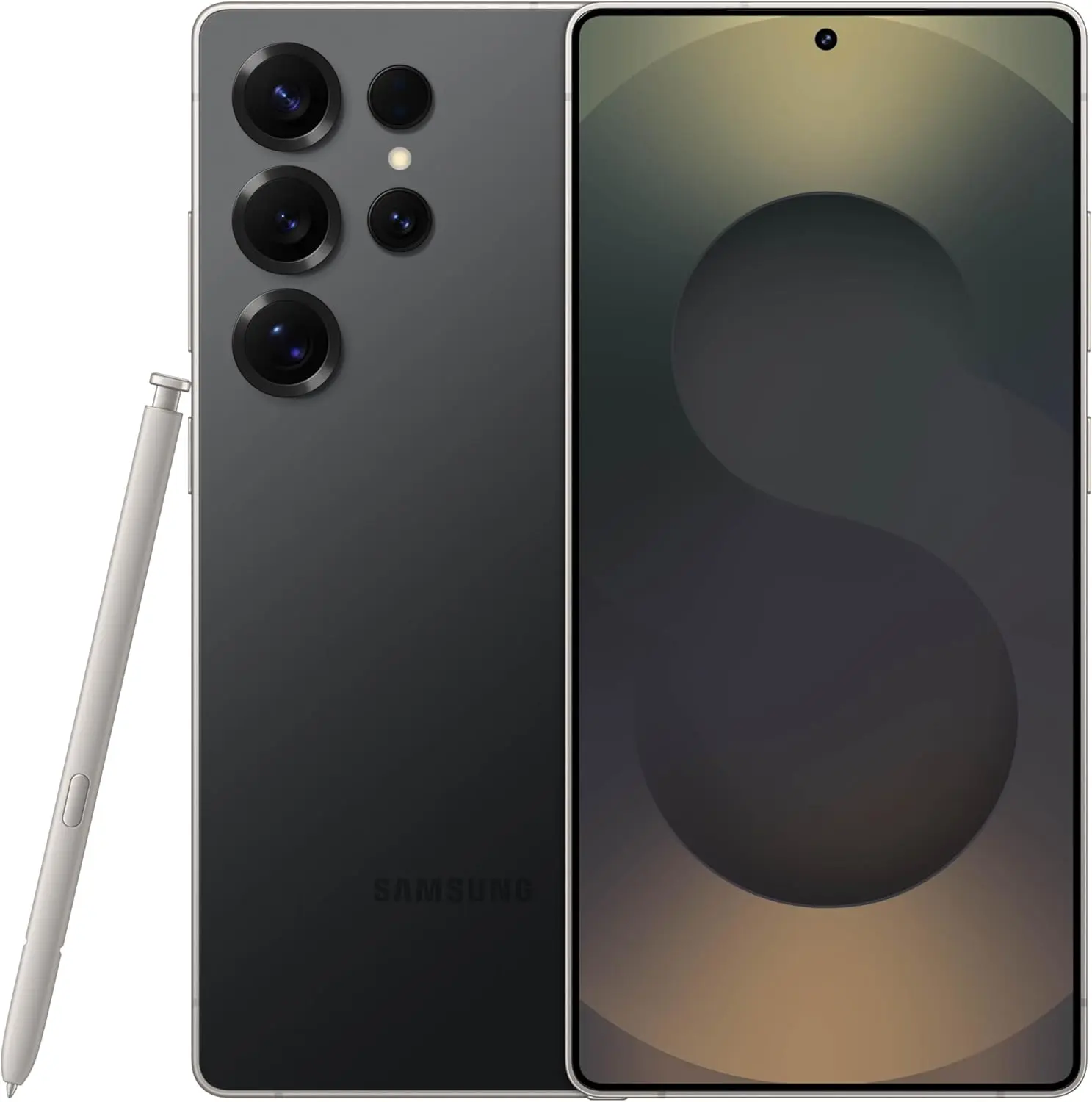
    samsung galaxy s25 ultra

    Samsung Galaxy ​S25 Ultra

    This phone is Unlocked for GSM Carriers in USA like T-Mobile (Excluding Verizon, Sprint, and US Cellular) and not compatible with any CDMA Network Carriers. Dual-SIM (2x Nano-SIM + or Nano-SIM + eSIM or Dual eSIM)

    $1,033.00Get It Now

    Stay connected with the latest from Droid Tools—follow us on X @droid_tools, like our page on Facebook, check out our updates on Instagram, and follow us on Google News for real-time news, device tips, and mobile tech insights.

  • Devices in the third batch of HyperOS 2.2 will shortly receive the update.

    Devices in the third batch of HyperOS 2.2 will shortly receive the update.

    With the HyperOS 2.2 update, Xiaomi is advancing rapidly and aims to reach a sizable portion of its user base in this third deployment wave. This is a noteworthy release for enterprises and power users who depend on Xiaomi hardware, especially since it includes important models from the Xiaomi 12 series, the Redmi Note 13 lineup, and a wide range of flagship and mid-tier models. The update is a significant system upgrade that should lead to increased operating stability and productivity.

    xiaomi hyperos update

    A select group of devices will be prioritized for the initial rollout. These include:

    • Xiaomi 12 Pro: OS2.0.202.0.VLBCNXM
    • Xiaomi 12: OS2.0.201.0.VLCCNXM
    • Redmi Note 13 5G: OS2.0.202.0.VNQCNXM
    • Redmi Note 13 Pro 5G: OS2.0.202.0.VNRCNXM
    • Redmi Note 12T Pro: OS2.0.203.0.VLHCNXM
    • Redmi Note 12 Turbo: OS2.0.201.0.VMRCNXM
    • Xiaomi CIVI 3: OS2.0.202.0.VMICNXM

    Xiaomi is working on upgrades for HyperOS 2.2 for a wider range of devices, such as:

    Flagship Segment

    • Xiaomi 12S Ultra
    • Xiaomi 12S Pro
    • Xiaomi 12S
    • Xiaomi MIX FOLD 2

    Mid-Range & Entry Models

    • Xiaomi CIVI 2
    • Redmi K50 Ultra
    • Redmi Note 13R
    • Redmi Note 12R
    • Redmi 12, 13, and 14 series

    Tablet Portfolio

    • Redmi Pad Pro
    • Redmi Pad Pro 5G
    • Redmi Pad SE

    According to Xiaomi, the Redmi Note 13 5G series would be prioritized when the third batch deployments start in late June. The firm places a strong emphasis on providing reliable, well-tested upgrades that promote end-user satisfaction and business continuity.

  • HyperOS 3 will come with a new design according to the new leaked screenshots

    HyperOS 3 will come with a new design according to the new leaked screenshots

    Through a newly published user survey, Xiaomi has given users an early glimpse at HyperOS 3, and the changes are remarkable. Xiaomi intends to establish HyperOS as a high-end, competitive platform, as evidenced by the recent screenshot’s significant UI redesign. With significant updates to key system components, especially icons and layouts, the design language is obviously influenced by iOS. This version demonstrates Xiaomi’s continued commitment to improving its unique Android skin in order to better cater to a worldwide users.

    The updated icon set is the most noticeable change. The unified, elegant look of these new icons, which closely resemble those in iOS 18, improves the user experience as a whole. This change reflects Xiaomi’s emphasis on improving brand perception among high-end users and conforming to industry-leading design standards.

    The removal of the search bar on the home screen is another significant change. Xiaomi achieves a more simplified and clean home screen by removing this component, giving app icons and widgets more attention. This minimalist style should appeal to people who value clarity and simplicity and is consistent with larger trends in mobile user interface design.

    hyperos 3 leak design

    New battery indicator and glass user interface

    Additionally, a revised battery indication that now closely resembles the iPhone’s approach is included in HyperOS 3. In addition to updating the battery status visual representation, this update advances Xiaomi’s overarching objective of providing a recognizable, intuitive user experience that appeals to iOS customers thinking about switching.

    Furthermore, Glass UI-inspired effects are incorporated into the redesigned interface, giving the system more visual refinement and depth. Together, these improvements give all supported devices a more upscale and sophisticated appearance.

    Wide device compatibility

    Xiaomi is extending HyperOS 3 to an extensive range of devices, reinforcing its commitment to software support:

    • 33 Xiaomi models
    • 44 Redmi devices
    • 19 POCO devices

    This broad compatibility—spanning 96 devices in total—demonstrates Xiaomi’s dedication to serving a diverse customer base, from flagship owners to budget users.

    Analysts predict that Xiaomi will formally unveil HyperOS 3 in October 2025. Depending on rollout timelines and device capabilities, the update will be developed for both Android 15 and Android 16.

    Stay connected with the latest from Droid Tools—follow us on X @droid_tools, like our page on Facebook, check out our updates on Instagram, and follow us on Google News for real-time news, device tips, and mobile tech insights.

  • Android 16: complete list of Samsung, Xiaomi, and other eligible devices

    Android 16: complete list of Samsung, Xiaomi, and other eligible devices

    The formal rollout of Android 16’s stable version has started, with Google’s Pixel smartphones leading the way. Other significant Android manufacturers are getting ready to release their own unique skins and upgrade schedules in tandem with the latest OS version. The most important question for users anxiously anticipating the update is: will my device get the update? This is the list of devices that are compatible with Android 16.

    We have put up a thorough list of smartphones and tablets from well-known manufacturers, like Samsung, Xiaomi, Motorola, and Oppo, that should be compatible with the Android 16 update in order to assist in answering this question.

    Google Pixel Android 16 Eligible devices

    As always, Pixel devices are first in line and the rollout is already underway for these models.

    Device SeriesEligible Models
    Pixel 9 Series9, 9 Pro, 9 Pro XL, 9 Pro Fold, 9a
    Pixel 8 Series8, 8 Pro, 8a
    Pixel 7 Series7, 7 Pro, 7a
    Pixel 6 Series6, 6 Pro, 6a
    Pixel FoldablesPixel Fold
    Pixel TabletPixel Tablet

    Samsung Galaxy Android 16 Eligible devices

    Samsung offers one of the most extensive portfolios, and a large number of its devices are expected to receive the update.

    SeriesEligible Devices
    Galaxy SS25, S24, S23, S22 series & S21 FE
    Galaxy ZZ Fold/Flip 6, Z Fold/Flip 5, Z Fold/Flip 4, Z Fold SE
    Galaxy TabTab S10, S9, S8 series, Tab S6 Lite (2024)
    Galaxy AA73, A5x, A3x, A2x, A1x, A0x series (from A_3 to A_6 generations)
    Galaxy MM5x, M3x, M1x, M0x series (from M_3 to M_6 generations)
    Galaxy FF5x, F34, F1x, F0x series (from F_4 to F_6 generations)
    OtherGalaxy C55, XCover 7, Tab Active 5

    Xiaomi, Redmi, and Poco Android 16 Eligible devices

    Xiaomi’s multi-brand strategy means a wide array of devices are in line for the HyperOS skin based on Android 16.

    Brand / SeriesEligible Devices
    Xiaomi15, 14, 13 series (including T, Pro, Ultra models)
    Xiaomi CiviCivi 5 Pro, Civi 4 Pro, Civi 3
    Xiaomi PadPad 7 series, Pad 6 series (Pro, Max, S Pro)
    Redmi NoteNote 14 series, Note 13 series
    Redmi KK80 series, K70 series, K60 series
    Redmi14 series, 13 series, A4 series
    Redmi PadPad 2, Pad Pro, Pad SE
    PocoF7, F6, X7, X6, M7, M6, C7x series

    Motorola

    Motorola is expected to update its recent flagship and mid-range devices.

    SeriesEligible Devices
    RazrRazr 2025 series, Razr+ 2024, Razr 60/50 series
    EdgeEdge 2025, Edge 60/50 series, Edge 40 Pro
    Moto GG Power/Stylus 2025, G86/85, G75, G56/55
    ThinkPhoneThinkPhone 25

    Oppo

    Oppo will likely bring Android 16 to its premium Find series and popular Reno line.

    SeriesEligible Devices
    Find NFind N5, N3, N2 series
    Find XFind X8, X7, X6 series
    RenoReno 14, 13, 12, 11 series
    F SeriesF29, F27, F25 Pro
    K SeriesK13, K12 series
    Pad SeriesPad 4 Pro, Pad 3 series, Pad SE

    Other Major Brands (Expected)

    BrandEligible Devices (Summary)
    OnePlus13, 12, 11 series, Nord 4/3, Nord CE 4, Open, Pad series
    VivoX200, X100, X90 series, V50/40/30 series, T4/3 series, recent Y series, Pad 5/3
    iQOO13, 12, 11 series, Z10/9 series, Neo 10/9 series, Pad series
    NothingPhone (2), (2a), (2a)+, Phone (3a) series, CMF Phone 1/2 Pro

    Other manufacturers may need a few weeks to incorporate Android 16 with their own user interfaces, such as One UI, HyperOS, and ColorOS, while Google Pixel phones are currently getting the upgrade. The majority of brands are anticipated to start releasing stable versions in July 2025, with widespread beta testing set to commence shortly.

    Stay connected with the latest from Droid Tools—follow us on X @droid_tools, like our page on Facebook, check out our updates on Instagram, and follow us on Google News for real-time news, device tips, and mobile tech insights.

  • Pixel 10 comes with better finger print tech and upgraded wireless charging

    Pixel 10 comes with better finger print tech and upgraded wireless charging

    According to a recent leak, the Pixel 10 is expected to come with two major upgrades this year: a better ultrasonic fingerprint sensor and support for Qi2 wireless charging.

    Faster fingerprint recognition

    When Google eventually abandoned the sluggish and unreliable optical fingerprint sensors of earlier generations in favor of ultrasonic ones with the Pixel, it made a significant shift. However, it appears that the fingerprint experience will be much better with the incoming Pixel.

    Pixel 10 fingerprint tech

    According to the research, when working with damp or dirty fingers, the ultrasonic fingerprint sensor will provide superior speed and responsiveness.

    It’s good to note that Google isn’t discontinuing the fingerprint sensor even though their face unlock system has supported Class 3 biometric verification since the Pixel 8, which makes it safe enough for delicate operations like digital payments and banking.

    Pixel devices provide consumers with more flexibility and convenience based on their requirements and surroundings by providing both fingerprint and face unlock. Google frequently teases Apple with humorous advertisements, and I anticipate one involving these biometric technologies after the release of the Pixel 10 and Pixel 10 Pro.

    Qi2 wireless charging

    The Pixel 10’s support for Qi2 is another noteworthy improvement. Sadly, even though the Pixel 10 will be Qi2-ready, customers will still require a magnetic case that works with it in order to fully benefit from it.

    Companies like Samsung and OnePlus, who have also introduced Qi2 support this year, have used a similar strategy. Fun fact: Although the Apple iPhone 16e does not fully support Qi2 fast charging, it is technically compatible with MagSafe.

    A new look is also being applied to the Pixel 10 series. The Pro models will, as usual, keep to more subdued colors like Sterling Gray and Smoky Green, while the base Pixel 10 will be offered in Ultra Blue, Limoncello, Iris, and Midnight. The colors of the foldable Pixel 10 Pro Fold will match those of the standard Pro variants.

    google pixel 9 pro amazon deal

    Google Pixel 9 Pro

    Pixel 9 Pro with Gemini is the most powerful Pixel yet, and now comes in two sizes; it has a pro-level camera and it’s engineered by Google, so it gets the best of Google AI first

    $998.23Amazon

    The Pixel 10 series will reportedly be unveiled by Google on August 20. Pre-orders will begin that same day. Beginning on August 28, the phones will be on sale.

    In addition to Qi2 and an improved fingerprint sensor, the Pixel 10 series is anticipated to use Google’s first entirely proprietary processor (Tensor G5), which offers significant improvements in terms of performance, faster biometric systems, and next-generation charging technology.

  • HyperOS second batch rollout complete, Global release imminent

    HyperOS second batch rollout complete, Global release imminent

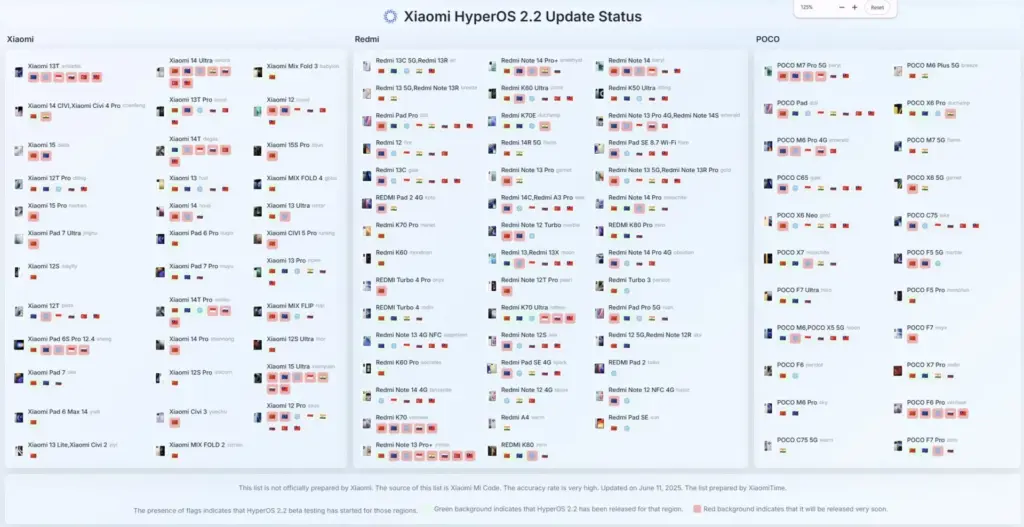
    The second round of internal testing for HyperOS 2.2 has officially ended, and it now covers more than 130 devices from the Xiaomi, Redmi, and POCO portfolios. This upgrade is quite extensive, encompassing both premium smartphones and tablets as well as entry-level products. Many users will get the update at the same time when the worldwide public release starts. It is evident that Xiaomi is giving top priority to a seamless, well-organized updating procedure for all of its products.

    While waiting for the official HyperOS 2.2 release, users can access the MemeOS Enhancer app through the Play Store to unlock more Xiaomi features and system improvements.

    More than 130 items are currently included in Xiaomi’s internal testing program, guaranteeing extensive coverage across all significant price points and markets. Included are gadgets from Taiwan, Indonesia, Russia, China, Europe, India, and more. The update is appropriately customized for every user base thanks to this geographical attention.

    hyperos global release

    Flagship and Premium Device Readiness

    Xiaomi’s Flagship Lineup

    All leading Xiaomi models have completed internal testing, including:

    • Xiaomi 15 series (15, 15 Pro, 15S Pro, 15 Ultra)
    • Xiaomi 14 series (14, 14 Pro, 14 Ultra, 14T, 14T Pro)
    • Xiaomi 13 series (13, 13 Pro, 13 Ultra, 13T, 13T Pro)
    • Xiaomi 12 series (12, 12 Pro, 12S, 12S Pro, 12S Ultra, 12T, 12T Pro)

    Foldables and Innovative Models

    Xiaomi’s MIX Fold series (Fold 2, Fold 3, Fold 4) and MIX Flip have also been fully tested, underscoring HyperOS 2.2’s optimization for foldable devices.

    Redmi and POCO

    From the K series (K50 Ultra through K80 Pro) and Note series (Note 12 through Note 14 and all variations) to the Turbo lineup and more reasonably priced models like the Redmi 12–14R 5G, Redmi’s full spectrum is covered.

    POCO’s gaming and performance-focused models are included as well. The F series (F5, F6, F7, including Pro and Ultra variants), X series (X6, X7, Pro, Neo), and the M and C series for budget users are all part of the rollout.

    The HyperOS 2.2 internal rollout also covers:

    • Xiaomi Pad 6 and 7 series (including Pro, Ultra, Max, and S Pro models)
    • Redmi Pad Pro, Pad 2, and SE variants
    • POCO Pad

    In conclusion, one of the biggest coordinated Android update rollouts in Xiaomi’s history is about to happen. With the launch of every major product line, millions of customers worldwide can anticipate improved performance and new features.