Author: rob

  • Over 42 million downloads: malicious Android apps found on Google Play

    Over 42 million downloads: malicious Android apps found on Google Play

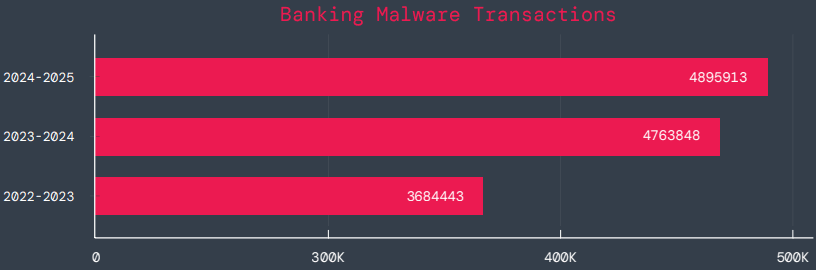
    According to a survey by cloud security firm Zscaler, hundreds of malicious Android apps on Google Play were downloaded over 40 million times between June 2024 and May 2025.

    The company saw a 67% year-over-year increase in malware that targeted mobile devices during that time, with banking trojans and spyware being the most common threats.

    According to telemetry data, threat actors are leveraging phishing, smishing, SIM-swapping, and payment frauds to take advantage of mobile payments instead of traditional card fraud.
    Malicious Android apps found on Google Play

    The shift to social engineering assaults can be explained by the widespread use of mobile payments and enhanced security standards like chip-and-PIN technology.

    According to Zscaler, “to carry out these assaults, fraudsters use phishing trojans and malicious programs designed to steal financial information and login passwords.”

    Zscaler estimates that it has found 239 harmful apps in the official Android store, with a total of 42 million downloads, compared to 200 malware apps on Google Play last year.

    The emergence of adware as the most significant threat in the Android ecosystem, which now accounts for over 69% of all detections—nearly twice as many as the previous year—is another noteworthy trend observed at that time.

    After leading with 38% the previous year, the Joker info-stealer is currently in second position with 23%.

    The SpyNote, SpyLoan, and BadBazaar families—which are used for identity theft, extortion, and surveillance—were the primary drivers of the notable 220% year-over-year (YoY) increase in spyware.

    Geographically speaking, 55% of all attacks were directed towards the United States, Canada, and India. Attacks against Israel and Italy also showed substantial increases, ranging from 800% to 4000% YoY, according to Zscaler.

    Malicious Android apps and malware

    In its annual study, Zscaler identifies three malware families that significantly affected Android users. The first is Anatsa, a banking trojan that occasionally enters Google Play through productivity and utility apps and receives hundreds of thousands of downloads each time.

    Since its discovery in 2020, anatsa has undergone continuous evolution. The most recent version is capable of stealing data from bitcoin sites, more than 831 financial institutions, and new areas like South Korea and Germany.

    The second is Android Void (Vo1d), a backdoor malware that targets Android TV boxes and has infected at least 1.6 million devices with out-of-date Android Open Source Project (AOSP) versions, mostly in Brazil and India.
    Malicious Android apps found on Google Play

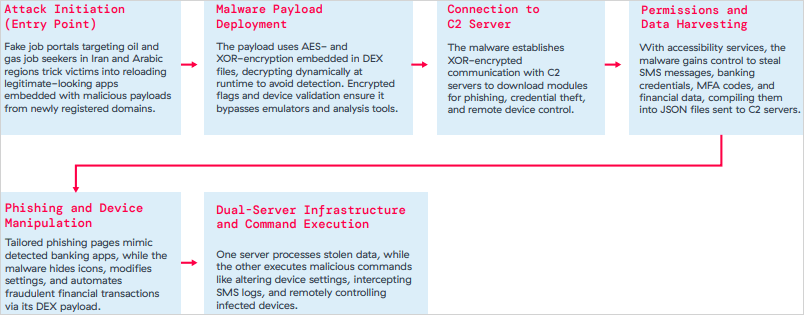
    The third is Xnotice, a brand-new Android remote access trojan (RAT) that specifically targets job seekers in the oil and gas sector in Iran and Arabic-speaking areas.

    Xnotice propagates via applications that are disseminated through phony employment websites and pose as tools for registering for exams or applying for jobs.

    Through overlays, multi-factor authentication (MFA) codes, SMS messages, and screenshots, the spyware targets banking credentials.

    Users are encouraged to install security updates, only trust reliable publishers, reject or restrict accessibility permissions, refrain from downloading unnecessary apps, and routinely run Play Protect scans in order to protect themselves from Android malware threats, including those from Google Play.

    Routers continued to be the most targeted IoT equipment this year, according to Zscaler’s study. Hackers added routers to botnets or used them as proxies to spread malware by taking advantage of command injection flaws.

    The majority of IoT attacks took place in the United States, with rising hotbeds in Hong Kong, Germany, India, and China following, suggesting that attackers are targeting devices throughout a larger geographic area.

    The cybersecurity company advises businesses to harden IoT and cellular gateways by keeping an eye out for anomalies and implementing firmware-level protections, as well as to deploy zero-trust solutions for key networks.

    Strict application control guidelines, security against phishing attacks, and monitoring SIM-level communications for anomalies should all be part of mobile endpoint protections.
  • Xiaomi 17 Pro series update adds live wallpapers and games to the back display

    Xiaomi 17 Pro series update adds live wallpapers and games to the back display

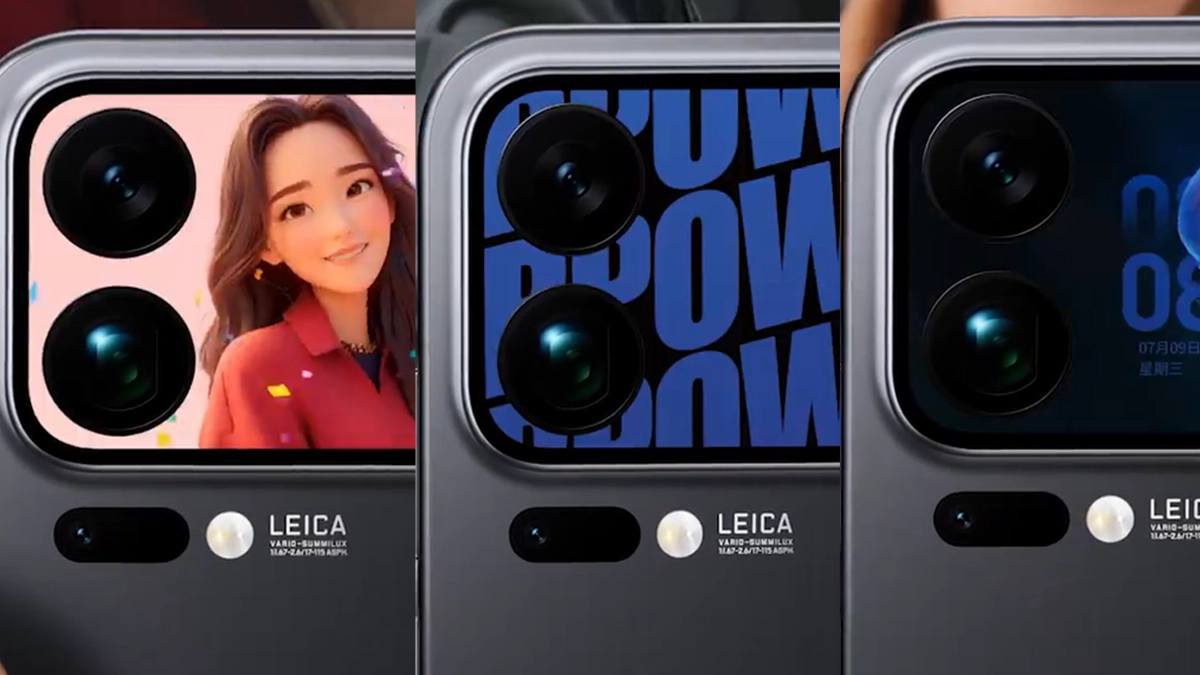
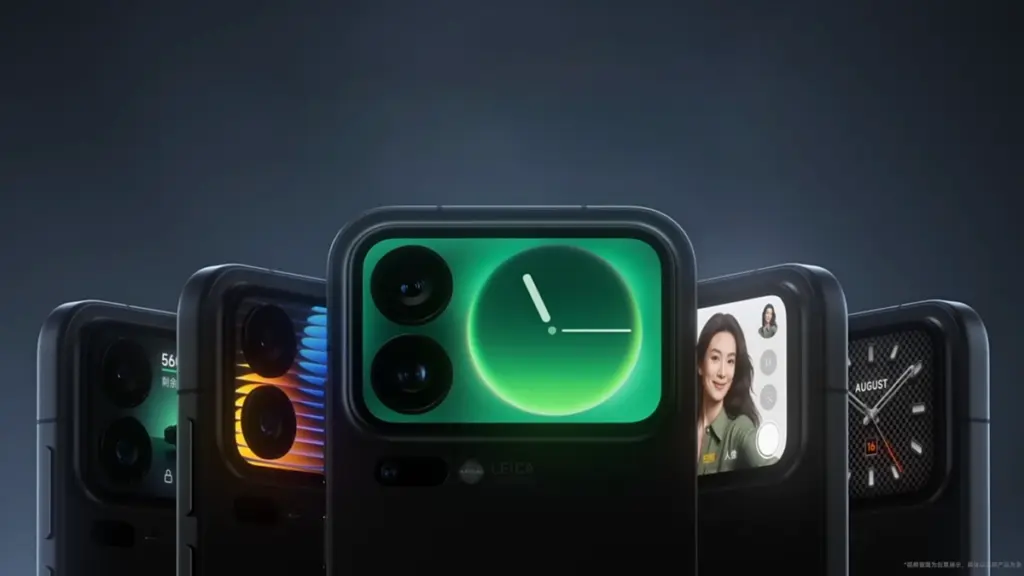
    For the Xiaomi 17 Pro series, Xiaomi has released a new software update that enhances the secondary display with a number of interactive features. The launch includes dynamic avatars, real-time translation, five live wallpapers, and two portable games, according to the company’s HyperOS Weibo post.

    Animated profile photographs can now be set on the back screen, and by mid-November, new bright-style themes will be available. Users can converse in Chinese on the main display and see translated text on the back panel thanks to a conversation translation feature.

    Xiaomi 17 Pro series update

    Xiaomi 17 PRO get new visuals and games

    Along with two games, Plants vs. Zombies and Snowman Sokoban, the update also includes five live wallpapers with themes related to technology, nature, and pets. You can manually update the Entertainment Box from the app store to access these.
    With new features scheduled every month, Xiaomi previously stated that the rear display will continue to be a major design priority for its upcoming smartphones. TCL Huaxing panels, measuring 6.3 and 6.9 inches, respectively, with a maximum brightness of 3500 nits and Xiaomi Dragon Crystal Glass protection, are used in both the 17 Pro and 17 Pro Max.

    The Xiaomi 17 Pro’s innovative rear screen has practical applications in addition to aesthetics. When the phone is inactive or on a desk, it makes the user’s daily phone time more lively and vibrant.
    The company wants to transform the back screen from a mirror or clock into a tool for work and enjoyment. Cute loops, small critters, and light art forms can now be set as live images by users. More improvements will be made next mo

    The new games aid in evaluating the rear panel’s touch and speed. Every one of them utilizes the entire small display and operates smoothly. According to Xiaomi, the objective is to provide customers who want light entertainment in their free time with a “soft joy.” To give it a more authentic sense, the company is also incorporating little sound effects.
    The fix is currently being released in stages, and more devices will receive this update in the days to come. To locate the update, users can look at the HyperOS setup’s update tab. According to Xiaomi, the update will be available on all devices by the middle of November.

  • Best Google Pixel Watch 4 alternatives you can buy right now

    Best Google Pixel Watch 4 alternatives you can buy right now

    One excellent watch is the Google Pixel Watch 4. You could even claim that it’s the greatest Wear OS watch of the year. It’s about as complete a package as you could wish for, with its new Acuta 360 display, extended battery life, enhanced repairability, and superb Gemini integration.

    If you’re currently shopping for a smartwatch, it’s important to remember that there are other options available, even if we highly recommend purchasing the Pixel Watch 4. Actually, there are actually a ton of alternative fantastic timepieces that you ought to think about.

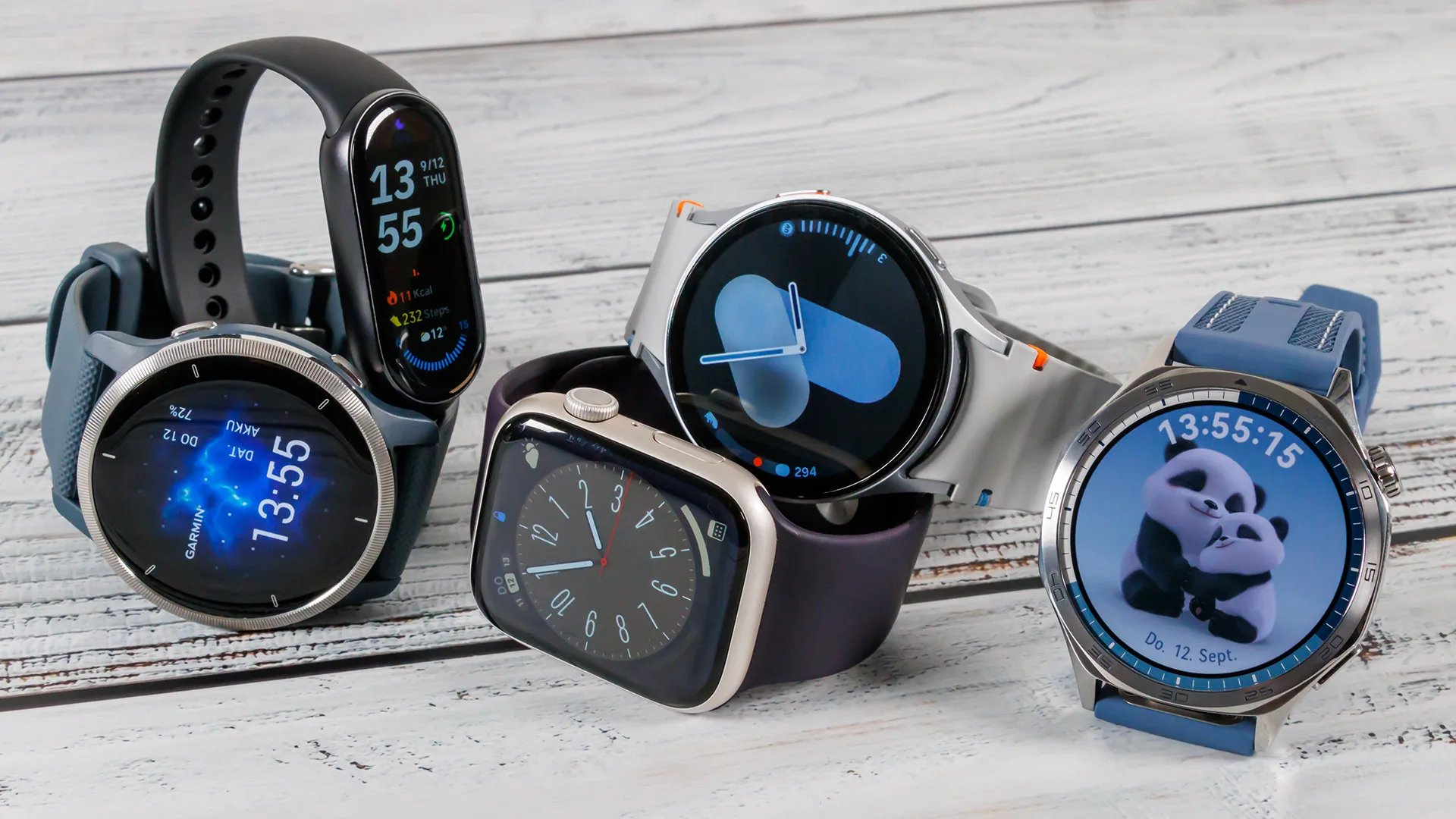
    Even if we adore the Pixel Watch 4, you might want to consider these five other smartwatches.

    Google Pixel Watch 3

    google pixel watch 3 with grey and green wristband

    The Google Pixel Watch 3 is designed for performance, with advanced fitness from Fitbit; the 45mm screen is twice as bright and 40% larger than before, making it easier to see your stats and info

    $299.99$199.99Amazon

    The Pixel Watch 3 from last year is the best option if you believe the Pixel Watch 4 looks fantastic but can’t afford to spend more than $350 on it. Is it as remarkable or beautiful as the Pixel Watch 4? No, but you can now purchase it at a fantastic price, and it’s still a really fine smartwatch.

    As someone who still wears a Pixel Watch 3, I can assure you that it’s well worth the money if you want to enjoy the Pixel Watch experience without going over budget. Its screen still looks amazing even though it lacks the latest Acuta 360 display. Its battery life is still sufficient for a full day of use, it has already been updated to the same Wear OS 6 software as the Pixel Watch 4, and its health-tracking functions are the same as those of the Pixel Watch 4.

    OnePlus Watch 3

    Unmatched Battery Life: Experience up to 120 hours of uninterrupted use on a single charge.

    $349.99Amazon

    Easily lasting a day and a half on a single charge, and occasionally even two full days, the Pixel Watch 4 has the longest battery life of any Pixel Watch to date. However, the OnePlus Watch 3 is a superior choice if you place a high value on battery life. Why? due to the fact that one charge might last up to five days. That’s right—five days on a single charge.

    At that point, all of the OnePlus Watch 3‘s smartwatch functions are activated. You can get closer to two weeks of use before you have to find your charger if you switch on power-saving mode. The OnePlus Watch 3 has some of the fastest charging rates of any wristwatch, moving from 0% to 100% in roughly 30 minutes when the watch does eventually die.

    Nevertheless, there are several drawbacks to this kind of battery life. Although the OnePlus Watch 3’s fitness and health features are useful for everyday use, they fall short of those of Samsung or Google. The OnePlus Watch 3 is a large smartwatch as well. It is available in a smaller 43mm size, however the battery life is reduced, which somewhat contradicts the point.

    I believe you will be quite pleased with the OnePlus Watch 3 if you don’t mind the size and don’t require the most advanced fitness monitoring. Additionally, it is slightly less expensive than the Pixel Watch 4 at $330.

    Fitbit Charge 6

    COMPLETE ALL-IN-ONE-BUNDLE: Includes Fitbit Charge 6 Black/Obsidian, rapid USB charger, and a premium microfiber cleaning cloth, – everything you need to start tracking in style.

    $149.95Amazon

    I am aware that this isn’t a smartwatch in the traditional sense. However, I believe there is a compelling case for the Charge 6 as a Pixel Watch 4 substitute.

    With the exception of the subscription need, Fitbit is a very powerful health platform, and the planned makeover of the Fitbit app only seems to improve it. The Charge 6 is a far more cost-effective entry into the Fitbit ecosystem than the Pixel Watch 4 if you already have a lot of data in the Fitbit app from prior devices or if you’re just getting started.

    The Fitbit Charge 6 offers many of the same health tracking features as the Pixel Watch 4, including all-day activity tracking, sleep tracking, irregular heart rhythm notifications, ECG scanning, SpO2 tracking, a skin temperature sensor, and more, despite lacking the Play Store, Gemini, call screening, LTE, and other smart features. In addition, the seven-day battery life is fantastic and the compact size is really comfortable.

    The finest aspect? The Fitbit Charge 6 is only $160 at retail, and it’s frequently on sale for even less.

    Samsung Galaxy Watch 8

    galaxy watch 8

    WHY GALAXY WATCH8: Advanced health and sleep tracking features. A lighter, more snug design for all day comfort. Improved user interface. Personal AI assistant for hands free help.

    $349.99$329.99Amazon

    You might be better suited with the Samsung Galaxy Watch 8 if cost isn’t a concern but you want to think over other options before committing to the Pixel Watch 4. The Galaxy Watch 8 may be a better option for some of you reading this, but it starts at the same $350 as the Pixel Watch 4.

    The Galaxy Watch 8’s extensive health tracking suite is one of its best features. The new Running Coach tool really helped me improve as a runner this summer, and Samsung’s Energy Score is a great way to understand how prepared your body is for the day. Samsung’s activity monitoring is excellent, the Samsung Health app is incredibly well-designed, and its sleep tracking is among the most reliable for Wear OS. The finest aspect? In contrast to Fitbit on the Pixel Watch 4, Samsung Health offers all of its health functions without requiring a monthly subscription.

    Furthermore, the Galaxy Watch 8 is not limited to health tracking. The smartwatch’s AMOLED display is stunning, its watch band system is far simpler than the Pixel Watch 4’s, and it is incredibly comfy.

    When it comes to battery life, the Pixel Watch 4 is superior, and the Galaxy Watch 8’s absence of a digital crown or rotating bezel is a drawback. However, the Galaxy Watch 8 is a great option if you have a Samsung phone or don’t want your watch to come with a monthly subscription.

    Garmin Venu 4

    Garmin Venu 4, 45mm, Advanced Health and Fitness GPS Smartwatch, Silver with Silver Gray Silicone Band + USB3.0 to type-c female adapter Space Gray + USB Wall Charger + 6Ave Microfiber Cleaning Cloth

    $555.49Amazon

    The OnePlus Watch 3 has outstanding battery life, but the Galaxy Watch 8 is a fantastic option if you’re looking for a wristwatch with subscription-free health tracking. You might want to think about the Garmin Venu 4 if you’re looking for a Pixel Watch 4 substitute that offers both of those features.

    The Venu 4‘s most notable feature is that it runs Garmin’s proprietary operating system rather than Wear OS. Notifications, phone calls, offline Spotify downloads, and a Google Maps app are just a few of the standard wristwatch features you still have, but you are unable to access the Play Store or Gemini.

    Garmin claims that the Venu 4 may be used for up to 10 days on a single charge, making it the watch with the longest battery life on this list. In addition, the Garmin Venu 4 has a beautiful metal design, 41mm and 45mm size variants, and an integrated LED flashlight.

    The starting price for all of this is $550, which is a lot more than the Pixel Watch 4. However, the Garmin Venu 4 might be worth the cost if you’re looking for a well-made smartwatch with superior fitness tracking and a long battery life.

  • Xiaomi 17 Ultra to launch in two variants with dual satellite connectivity

    Xiaomi 17 Ultra to launch in two variants with dual satellite connectivity

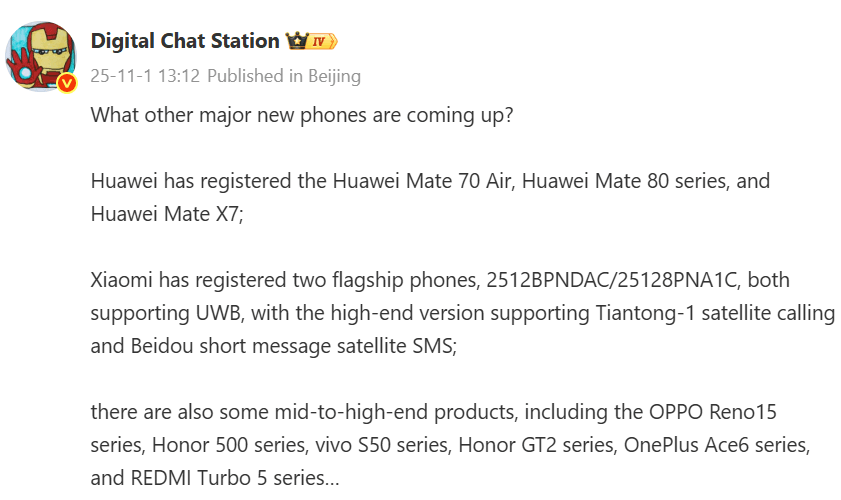
    According to reports, Xiaomi is preparing to release the Xiaomi 17 Ultra. Tipster Digital Chat Station has listed every phone that has just received certification in China and is anticipated to go on sale there in a recent Weibo post. These include the Xiaomi 17 Ultra, the Oppo Reno 15 series, the Honor 500 series, the Vivo S0 range, the OnePlus Ace 6 series (probably under the Turbo name), the Redmi Turbo 5 series, and the Huawei Mate 70 Air, Mate 80 series, and Mate X7, which are anticipated to arrive this month in China. He has specifically stated that there would be two variants of the 17 Ultra.

    DCS reports that Xiaomi has filed two variants of the gadget with model numbers 2512BPNDAC and 25128PNA1C on Chinese certification platforms. While the more expensive model will have Beidou short message communication and Tiantong satellite calling, both Xiaomi 17 Ultra models will support UWB (Ultra-Wideband).

    The latter will provide a dependable lifeline for calls and text transmission in harsh environments like deserts or offshore sites, enabling customers to stay connected even in remote areas without terrestrial networks.

    xiaomi 17 ultra leak satellite connection

    Xiaomi 17 Ultra rumoured specs

    According to additional sources, the Xiaomi 17 Ultra is anticipated to include a flat 6.8-inch OLED display with 2K resolution and a refresh rate of 120 Hz, along with a sizable circular rear camera module. It will have a high-capacity Xiaomi Jinsha River battery, IP68-grade waterproofing, wireless charging, and Qualcomm’s Snapdragon 8 Elite Gen 5 CPU under the hood.

    DCS also disclosed that the camera configuration of the Xiaomi 17 Ultra will be a key feature. It will have a 200-megapixel periscope telephoto lens with variable focal lengths and macro shooting capabilities in addition to a 50-megapixel primary sensor with an updated big sensor and in-sensor zoom technology. It is claimed that the lenses improve clarity and dynamic range in all types of illumination.

    Before the Chinese Spring Festival, the phone is anticipated to go on sale in black, white, and purple. The base model is projected to cost about 6,000 Yuan (~$845).

  • HarmonyOS 6 beta sets new installation record within 24 hours of release

    HarmonyOS 6 beta sets new installation record within 24 hours of release

    The HarmonyOS 6.0 Beta has been installed over 3 million times in a single day, according to Richard Yu, Chairman of the Huawei Consumer Business Unit. Before its formal release, the new software version has already broken all previous records.

    Today, Richard Yu sent a letter via the Xinsheng Community to his staff. It highlighted some significant developments in Huawei’s software and hardware over the last several months.

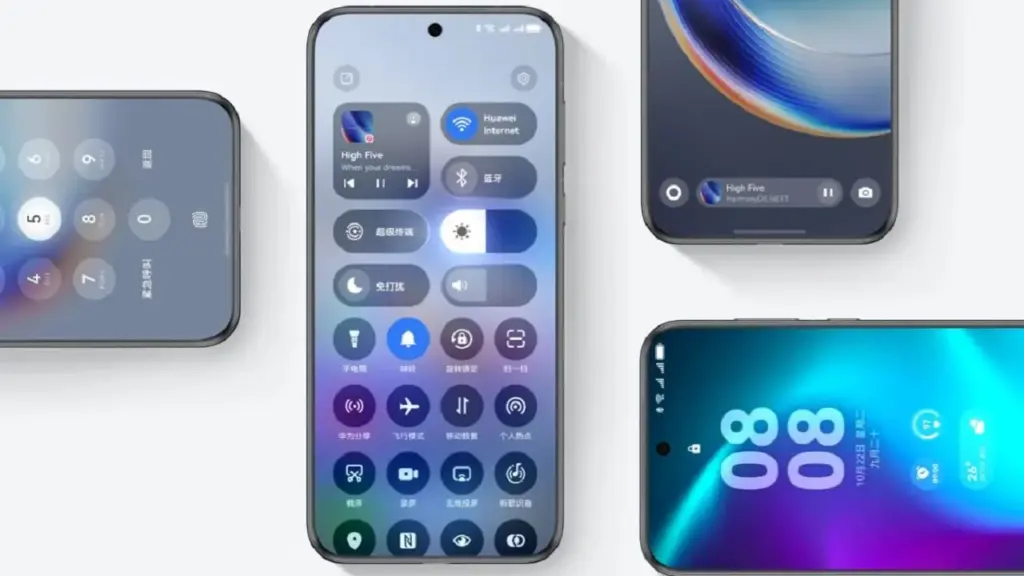
    HarmonyOS 6 Next coming

    This year, Yu emphasized its software development in particular. As of October 22, 2025, the rollout, which began with HarmonyOS NEXT, has more over 23 million installs.

    HarmonyOS 6 beta

    In spite of dire conditions, the company has emerged victorious, as seen by this hit situation. In order to match consumer expectations, he described the process of developing the company’s first operating system.

    According to the chief, HarmonyOS 6 is even more significant because it set a new record in the software industry by completing 3 million installations in just one day.

    HarmonyOS is not just something made, it’s something used! HarmonyOS 6 received 3 million upgrades within 24 hours of its release, setting a new record for upgrade speed!

    AI-powered one-tap video production, family-based fraud detection, dynamic and entertaining themes, and tap-to-share are just a few of the new version’s many noteworthy features.

    In order to secure a third of the smartphone OS market, Richard stated that the next stage is to swiftly reach 40 million, 60 million, and even 100 million user coverage in the next months. The executive went on to say:

    We must remain true to our original aspirations, focus on user experience, and truly practice our ecosystem culture. […] Each of us can contribute a brick, and together we will build the Great Wall of the HarmonyOS ecosystem! When the mountain flowers bloom, we will raise a glass to celebrate our victory!

  • Stable HyperOS 3 global update now rolling out to Poco devices

    Stable HyperOS 3 global update now rolling out to Poco devices

    Xiaomi has now turned its attention to the Poco devices after releasing the stable HyperOS 3 update for the initial batch of phones sold worldwide. As it happens, the F7 Ultra is the first model in the lineup to get the Android 16 update.

    October 2025 marked the beginning of Xiaomi’s stable HyperOS 3 distribution for devices worldwide. The Android 16 update has so far been applied to the Xiaomi 15 and Xiaomi 15T phones, but it appears that the company is now concentrating on the Poco handsets. More precisely, the global firmware for the F7 Ultra has just been upgraded.

    HyperOS 3 global update

    As an example, the Poco F7 Ultra was one of the first phones worldwide to get the HyperOS 3 update in November 2025. The following are the other smartphones with the Poco brand that were included in the list:

    • Poco F7
    • Poco F7 Pro
    • Poco X7 Pro
    • Poco X7 Pro Iron Man Edition
    • Poco X7

    The Android 16 update may begin to go out to the other Poco phones in the first part of November 2025. Xiaomi has previously stated that HyperOS 3 will soon be accessible on a few tablets as well. Specifically, the upgraded software is scheduled to be released before December 2025 for the Pad Mini, Pad 7, and Pad 7 Pro.

    hyperos 3 update for poco phones

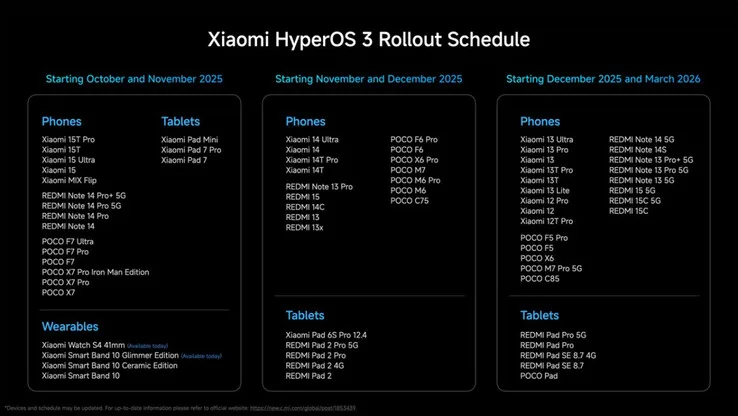
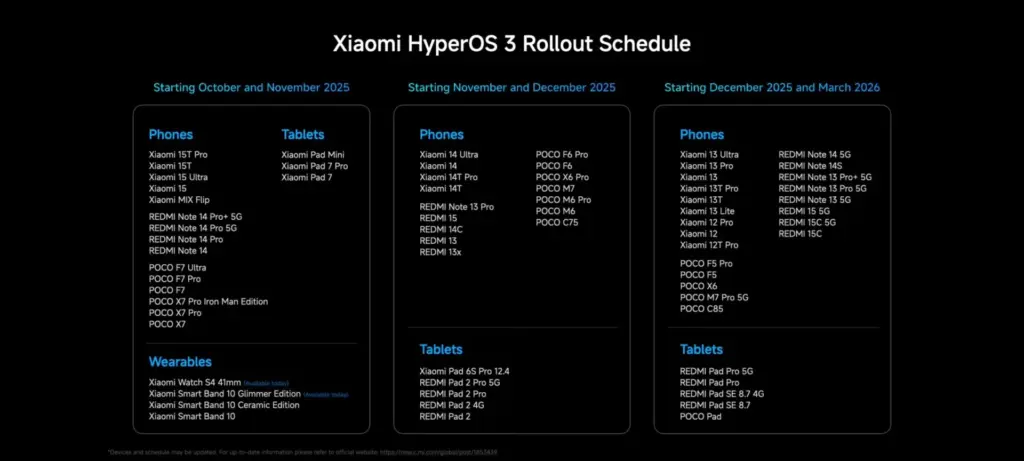
    Returning to the just announced Poco F7 Ultra update, XiaomiTime reports that it is OS3.0.3.0.WOMEUXM. Although it can fluctuate, the file size is more over 7 GB. Before the end of November 2025, a few Redmi smartphones should also get the Android 16 upgrade. To find out more, see the rollout timeline that is included below.

  • Will Xiaomi’s RGB OLED phones redefine the future of smartphone technology?

    Will Xiaomi’s RGB OLED phones redefine the future of smartphone technology?

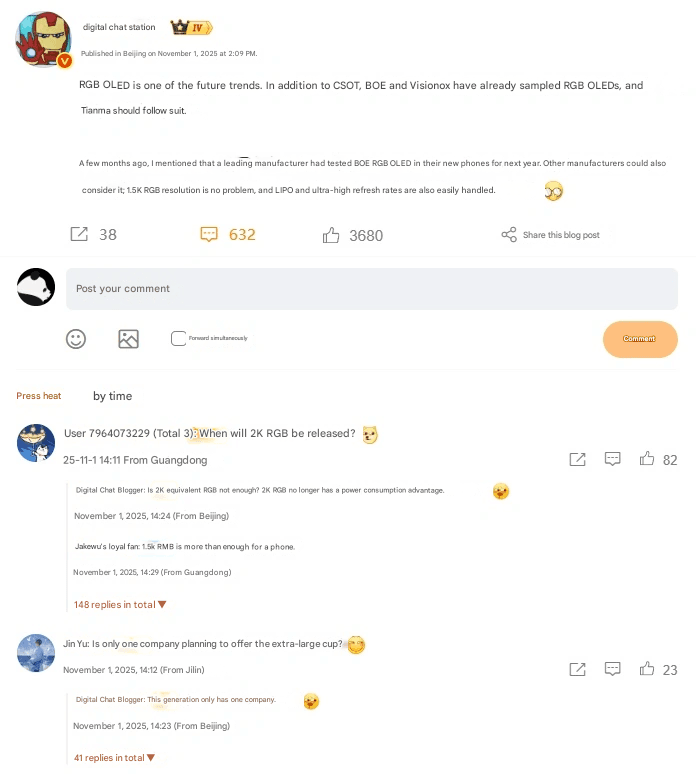
    Also, Xiaomi is setting the standard for mobile display technology in the future. “RGB is clearly the trend of the display,” Redmi Product Manager Sun Cun stated in an official statement, citing IT Home. This happened in reaction to well-known leaker @DigitalChatStation, who claimed that major panel makers like CSOT, BOE, and Visionox were developing RGB OLED displays and that Tianma would shortly follow.

    Compared to other OLED displays, RGB OLED offers crisper visuals, more accurate colors, and reduced power usage by displaying subpixels in the hues red, green, and blue. According to DigitalChatStation, a number of companies have begun **sampling 1.5K RGB OLED panels that can handle LIPO backplanes and high refresh rates, with 2025 smartphones being the target goods.

    rgb oled leak news

    RGB OLED technology

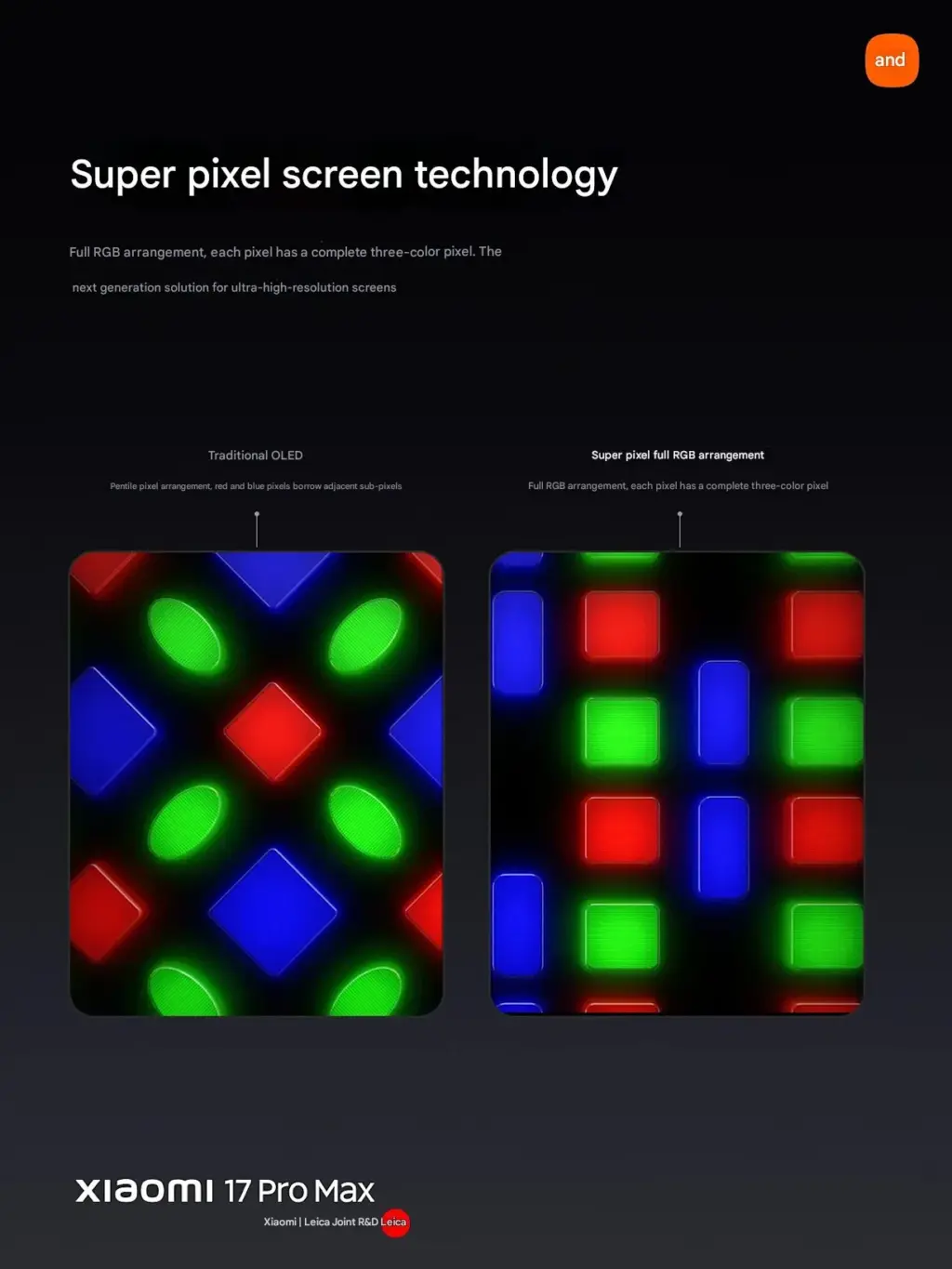
    Leading the way in this progression will be Xiaomi’s upcoming Xiaomi 17 Pro and Xiaomi 17 Pro Max. TCL CSOT display panels, such as the Pro Max with a Real RGB panel using Super Pixel Alignment technology, are included with these devices. In addition to providing crisper visuals than 2K resolution, this enhancement reduces energy usage by 26%, which is ideal for flagships.

    RGB OLED Technology

    Lei Jun, CEO of Xiaomi, also highlighted “unparalleled screen clarity and battery savings” when discussing another innovation made possible by the Xiaomi 17 Pro Max, which uses Super Pixel display technology.

    With Sun Cun’s confirmation, there is now concrete proof that Xiaomi’s Redmi and Xiaomi brands will soon have flagship models with RGB OLED screens in a number of product lines and series, including the Xiaomi Pad series, Xiaomi 17 series, and upcoming Redmi K Ultra models. This is undoubtedly a significant step toward more **accurate, energy-efficient, and long-lasting display offerings.

  • Xiaomi HyperOS 3 global update ready for 10 devices starting November 2, 2025

    Xiaomi HyperOS 3 global update ready for 10 devices starting November 2, 2025

    It’s almost here—the moment we’ve all been waiting for! The first worldwide versions of Xiaomi’s eagerly awaited HyperOS 3 are predicted to be accessible in the next few days. With a number of potent AI improvements, substantial UI redesigns, and extensive performance optimizations, this is not merely a small update but rather a huge advancement.

    This is the most thrilling news of the year for those who keep up with the most recent advancements in HyperOS. A larger selection of well-known phones and tablets are expected to get this update during the first week of November. The initial wave of devices has been confirmed. Prepare to enjoy a more intelligent, quicker, and user-friendly version of Xiaomi’s ground-breaking operating system.

    HyperOS 3 update is first released on these devices.

    hyperos 3 update for devies

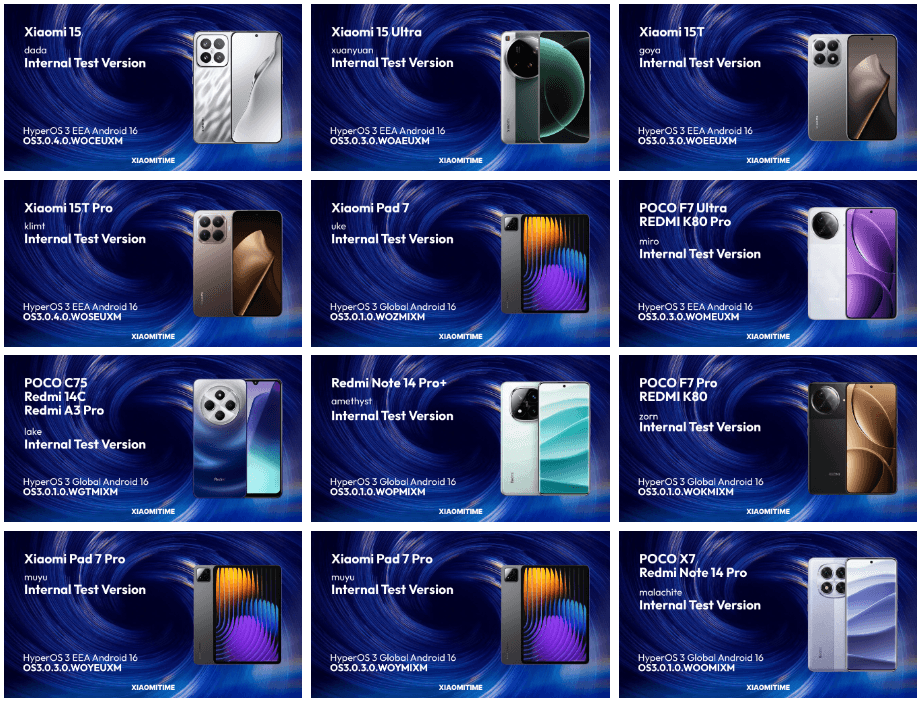
    HyperOS 3 Global versions for ten models have been produced by Xiaomi, suggesting that the global debut is near. These gadgets will be the first to demonstrate HyperOS 3’s capabilities to a global audience.

    • Xiaomi 15 Ultra: OS3.0.3.0.WOAEUXM
    • Xiaomi Pad 7 Pro: OS3.0.3.0.WOYMIXM and OS3.0.3.0.WOYEUXM
    • POCO C75 – Redmi 14C – Redmi A3 Pro: OS3.0.1.0.WGTMIXM
    • Redmi Note 14 Pro+ 5G: OS3.0.1.0.WOPMIXM
    • POCO F7 Pro: OS3.0.1.0.WOKMIXM
    • Redmi Note 14 Pro 5G, POCO X7: OS3.0.1.0.WOOMIXM
    • Redmi Note 14 Pro 4G: OS3.0.1.0.WOFMIXM
    • Redmi Note 14 4G: OS3.0.1.0.WOGMIXM
    • POCO M6 Plus 5G, Redmi 13 5G, Redmi Note 13ROS3.0.2.0.WNUINXM
    • POCO F7: OS3.0.2.0.WOLMIXM, OS3.0.1.0.WOLINXM
    • POCO X7 Pro: OS3.0.1.0.WOJEUXM
    • Xiaomi Pad Mini: OS3.0.1.1.WAOMIXM
    • POCO M7 4G, REDMI 15 4G: OS3.0.1.0.WBOMIXM

    Released

    • Xiaomi 15: OS3.0.4.0.WOCEUXM
    • Xiaomi 15T: OS3.0.3.0.WOEEUXM
    • Xiaomi 15T Pro: OS3.0.4.0.WOSEUXM
    • POCO F7 Ultra: OS3.0.3.0.WOMEUXM
    hyperos 3 update schedule

    In October and November, Xiaomi intends to extend its HyperOS 3 Global program to a far greater variety of devices. Watch for the update message if you have any of the following!

    • Xiaomi 15 – Released
    • Xiaomi 15 Ultra
    • Xiaomi 15T Pro – Released
    • Xiaomi 15T – Released
    • Xiaomi MIX Flip
    • REDMI Note 14 Pro+ 5G
    • REDMI Note 14 Pro 5G
    • REDMI Note 14 Pro
    • REDMI Note 14
    • POCO F7 Ultra – Released
    • POCO F7 Pro
    • POCO F7
    • POCO X7 Pro
    • POCO X7
    • Xiaomi Pad Mini
    • Xiaomi Pad 7
    • Xiaomi Pad 7 Pro

    What’s new in HyperOS 3 update?

    New features arrived for HyperOS 3.

    • A Fresh New Look and Feel
    • Introducing “Hyper Island” and Seamless Connectivity
    • The Power of AI Unleashed
    • AI-powered notes: Automatically organize and summarize your thoughts.
    • AI Describe: Get descriptions for images and on-screen content.
    • AI Voice Translation: Real-time translation during calls and conversations.
    • AI Noise Reduction: Crystal-clear voice recordings by filtering out background noise.
    • AI Search: A more intuitive and powerful system-wide search.
    • AI Gallery Search: Find photos by describing what’s in them.
    • AI Dynamic Wallpapers: Now available globally, this feature turns your photos into stunning, animated video wallpapers.
  • Nothing Phone (3a) Lite: Expected launch date, price, and key details

    Nothing Phone (3a) Lite: Expected launch date, price, and key details

    If you were a fan of Nothing, you would know that the release of the Nothing Phone (3a) Lite wasn’t news, yet it was. On the one hand, you are ready for the surprises these gadgets deliver. Conversely, the Nothing Phone (3a) Lite is unique. The brand’s sole entry-level phone will go on sale in October.

    You adore phones with translucent designs and glowing glyph lights, and the Nothing Phone series perfectly captures that feel. This phone is unique! Prepare for the Nothing Phone (3a) Lite, the most daring low-cost option to yet. We will discuss the launch, the cost, what to anticipate, and everything in between.

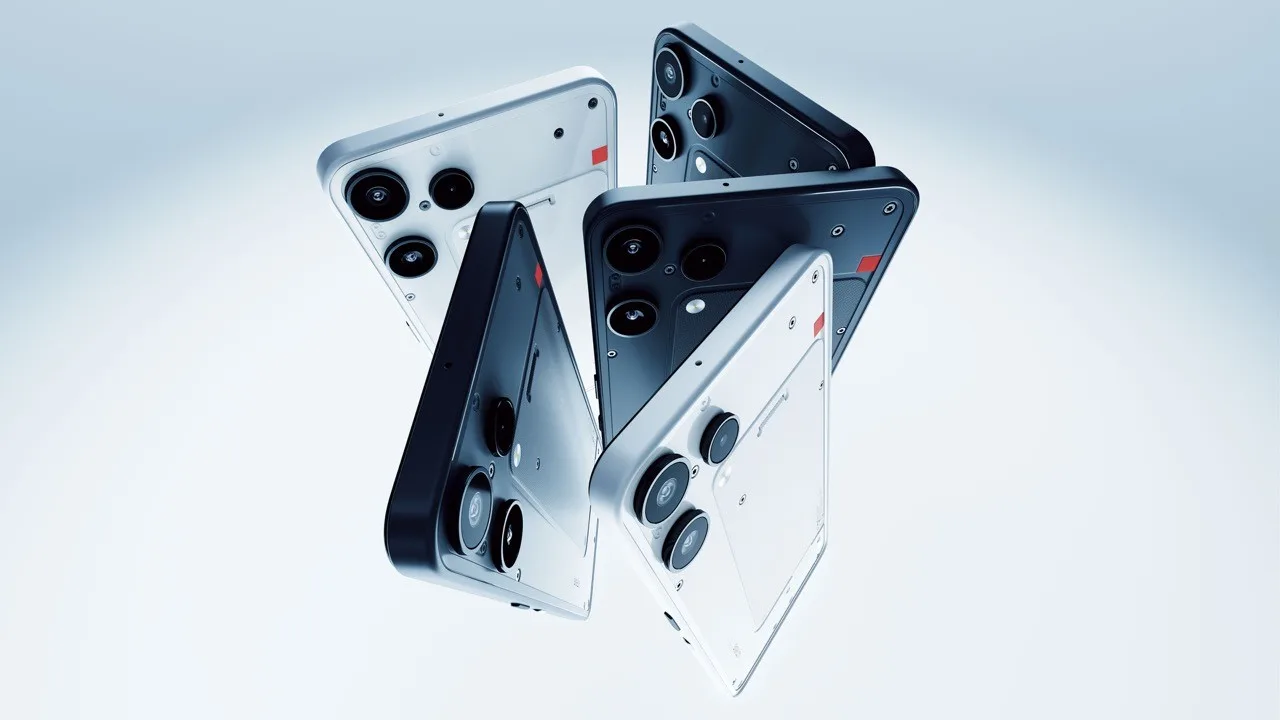
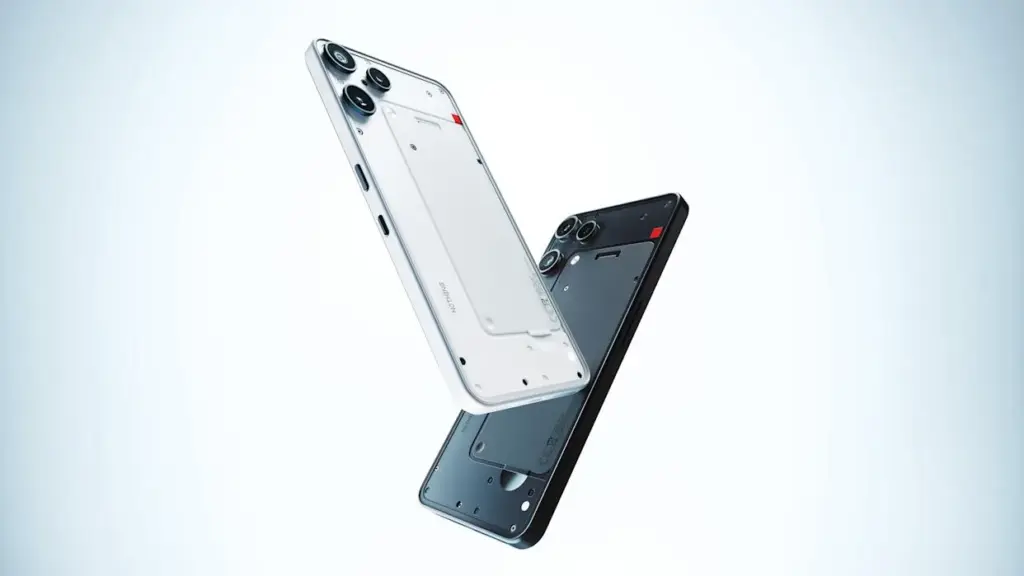
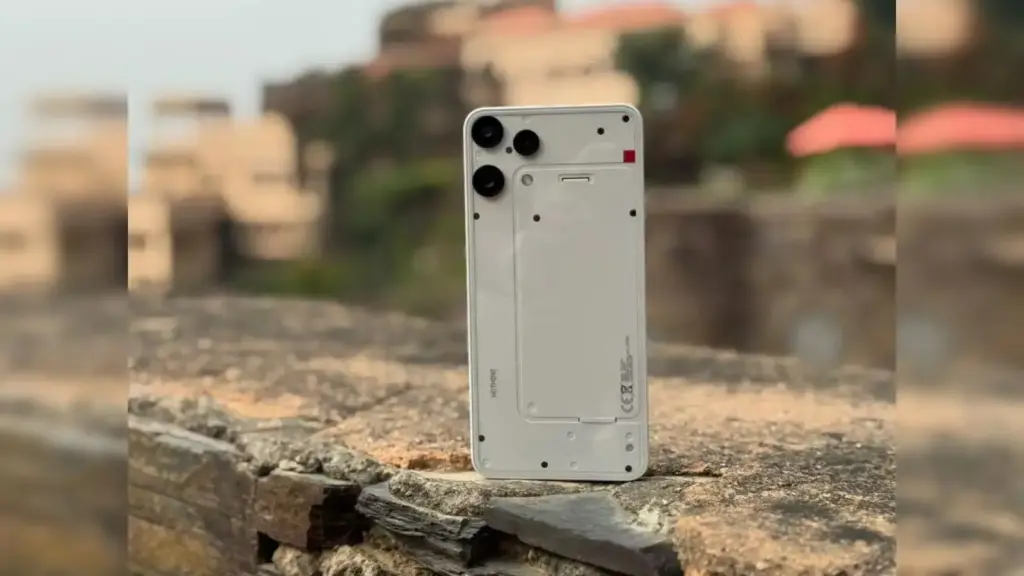
    Nothing Phone (3a) Lite

    Nothing Phone (3a) Lite announced

    Nothing recently revealed that the Phone (3a) Lite would go on sale worldwide on October 29, 2025. That is 1:00 pm GMT, or 6:30 pm IST if you’re in India. YouTube and Nothing’s website both provide live streaming of the event. The launch schedule as a whole aligns perfectly with the Phone 3 lineup. It comes after the March 2025 Nothing Phone (3a).

    It’s their first real entry-level phone. It is also intended to be less expensive than their CMF lineup. This launch calls out to you if you prefer daring over basic. With its useful pro features, this phone might be your next reasonably priced upgrade. We now go on to the following part.

    Features and design

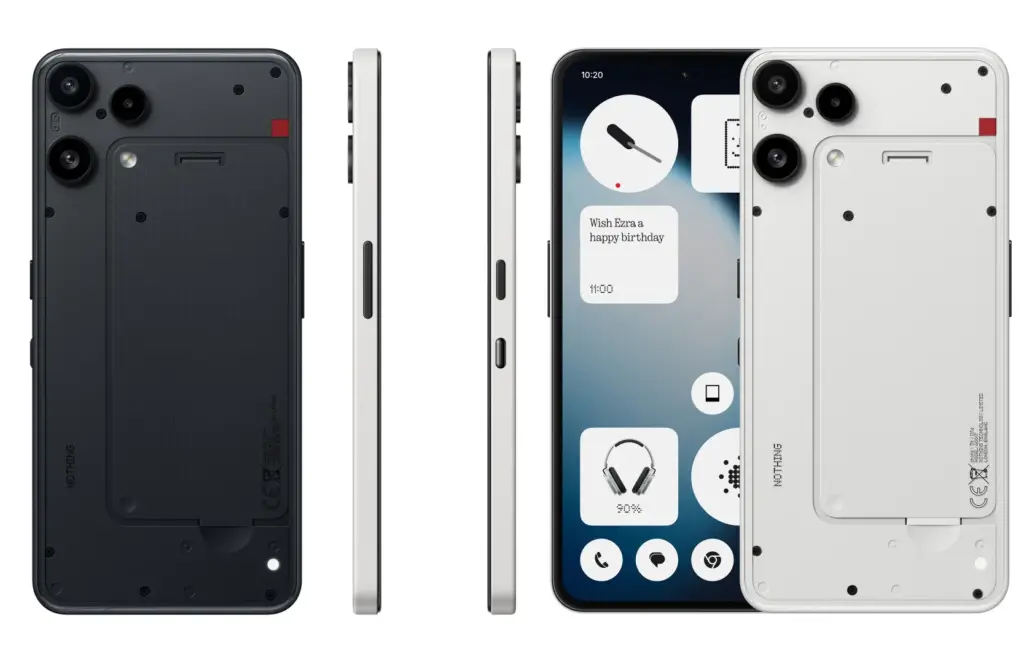
    Nothing perfectly captures the eccentric style, yet it doesn’t even appear strange. The Nothing Phone (3a) Lite, which comes in black and white, has a sleek design. A rear LED flashlight is shown in teasers. It also serves as a ping for notifications. However, it now appears lot simpler. This is not a full light show. It lights just enough to draw attention, though.

    It comes pre-installed with Android 15. Nothing about OS remains tidy. Widgets look stunning. The gestures are fluid. You get that feeling of transparency without the clutter.

    Nothing Phone (3a) Lite

    We are aware that the Nothing Phone (3a) Lite will have a 6.77-inch full-HD+ AMOLED screen before it is released. All flagship and respectable 30k-range phones on the market have it at 120 Hz. There are 1.07 billion shades of color. ideal for playing games, watching movies, and other media.

    Budget phones typically use the MediaTek Dimensity 7300 processor. Another item on the list is the Nothing Phone 3a Lite. This phone’s apps seamlessly multitask because to its 8GB RAM. 128GB of storage. Extend if necessary.

    Regarding the battery, it happily keeps the large 5000mAh cell that lasts all day. At 33W wired, charging is quick. 5W reverse charging. It’s sufficient to sustain earbuds.

    One of Nothing Phones’ best features is its cameras, which are not being downsized either. We have an 8-megapixel ultrawide, a 50-megapixel telephoto for zoom, and a 50-megapixel primary camera on the back. An incredible 16-megapixel selfie lens is located on the front. Rear camera daylight photos are particularly striking. The performance in low light is the sole drawback. It’s good, but not at the pro level.

    Nothing Phone (3a) Lite price

    As far as we are aware, this version was released to compete with more reasonably priced phones. With the lite edition, nothing keeps entry-level real. At the very least, we should anticipate a 5–6k price reduction from the original model. With 8GB RAM and 128GB storage, the Phone (3a) Lite is priced at Rs. 17,990. A great deal for fans of Glyph. Sales begin shortly after introduction, most likely on the website of Nothing or Flipkart.

    How does it compare, though? This is a brief table of competitors priced between Rs. 15,000 and Rs. 20,000. The software, features, and performance of these packs are comparable.

    Phone ModelPrice (Rs.)Key Highlights
    Nothing Phone (3a) Lite17,990Dimensity 7300, Glyph LED, 120Hz AMOLED
    Moto G85 5G17,999Snapdragon 6s Gen3, 50MP OIS cam, 5500mAh
    Realme Narzo 70 Pro18,999Dimensity 7050, 50MP main, 67W charge
    Samsung Galaxy A16 5G18,499Exynos 1330, 50MP triple cam, 5000mAh
    Poco X6 5G19,999Snapdragon 7s Gen2, 64MP OIS, 5100mAh

    Nothing Phone (3a) Lite vs Nothing Phone (3a)

    We are tempted by the Lite because it is reasonably priced. However, if you can afford to spend a little extra, the complete Phone (3a) entices you more. Since the 3a isn’t too old, the most recent software upgrades are comparable to those of the light. The price is Rs. 22,500. This table may help you make a decision if you are unsure about how the Lite version differs from 3a. Let’s do a table comparison.

    FeatureNothing Phone (3a) LiteNothing Phone (3a)
    Price (Rs.)17,99022,500
    ProcessorDimensity 7300Snapdragon 7s Gen3
    Display6.77″ FHD+ AMOLED, 120Hz, 1.07B colors6.7″ FHD+ AMOLED, 120Hz, 1B colors
    Rear Camera50MP + 50MP tele + 8MP UW (no OIS)50MP OIS + 50MP tele + 8MP UW
    Front Camera16MP32MP
    Battery & Charging5000mAh, 33W wired, 5W reverse5000mAh, 50W wired, 7.5W reverse

    In terms of speed and shots, the 3a prevails. In games, Snapdragon outperforms Dimensity. OIS stabilizes videos. 32-megapixel selfies are crisper. At 50W, charging is incredibly quick. In twenty minutes, that will be half full.

    But Lite is resilient. identical battery life. The screen pop is similar. Hold on to Lite if the budget is tight and you can do without a few slightly less expensive features. Eighty percent of the magic is delivered by it. Only if you are using a previous series should you upgrade after the Nothing Phone (3a) Lite launch.

    The Nothing Phone (3a) Lite demonstrates a bold look that isn’t appropriate for everyone. However, many people can afford it. This phone is especially suitable for young people who are in college, are students, or are starting their first job. Additionally, the Nothing phone 3a lite can be your calling if you swap phones every two to three years in search of the newest features.

    How do you feel about the release of the Nothing Phone (3a) Lite? Would you purchase it? Leave a comment with your ideas!

  • List of Samsung Galaxy preinstalled apps you can safely delete

    List of Samsung Galaxy preinstalled apps you can safely delete

    After setting up a new Samsung Galaxy, you should think about the apps you use and don’t use.

    There are many unnecessary preinstalled apps on your phone that don’t always enhance the user experience. Therefore, it is safe to remove any bloatware and superfluous apps.

    These apps clog your home screen, suck up storage space, and slow down your phone.

    All of Samsung’s devices, from the most recent high-end Galaxy phones to the most affordable variants, come with these apps.

    When setting your Samsung Galaxy device, stay away from adding bloatware.

    samsung bloatware remove unused apps

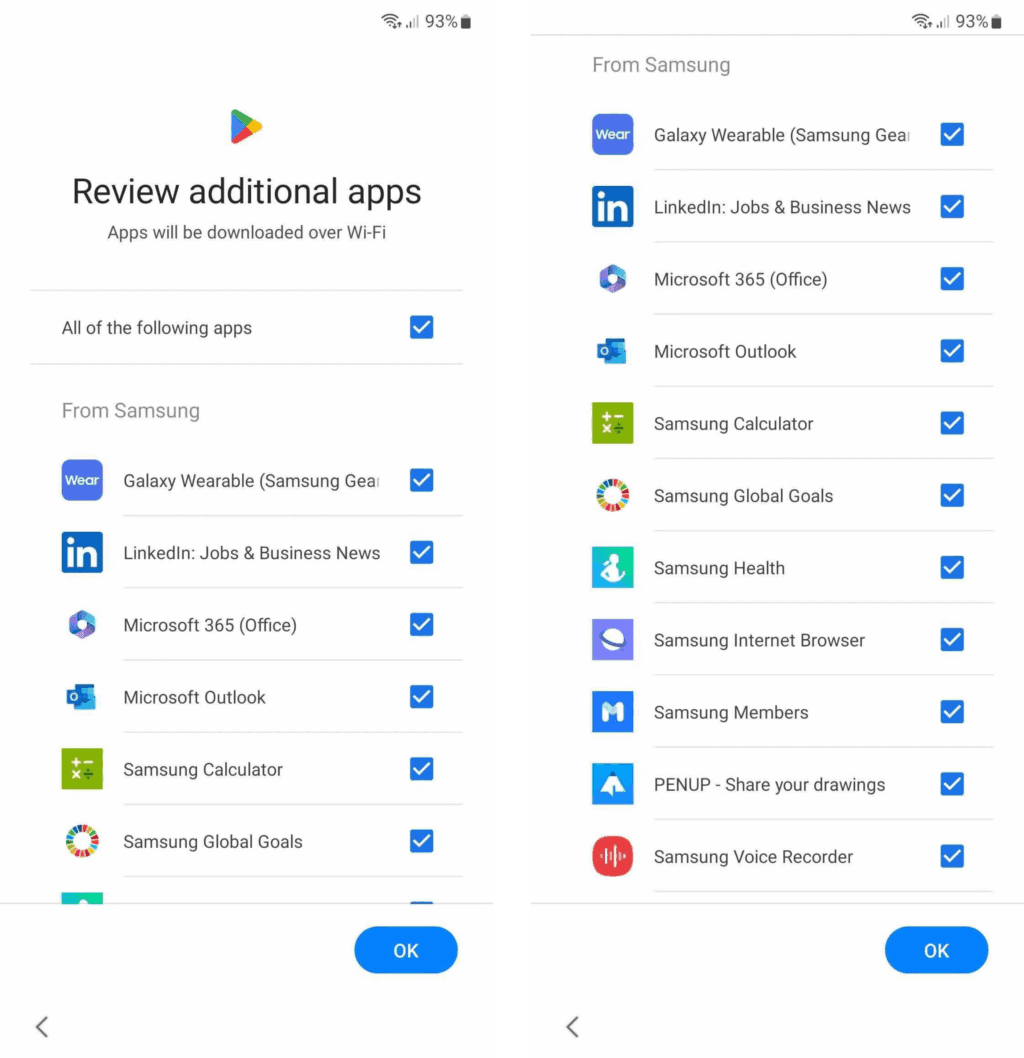
    You are prompted to install extra apps when you set up a new Samsung device.

    Take your time and uncheck the apps you don’t need because it automatically chooses the ones on that list. This is a simple method of avoiding additional bloatware.

    If not, you’ll have to take them out by hand when you decide they’re useless.

    Which apps on your Samsung Galaxy phone are safe to remove or deactivate?

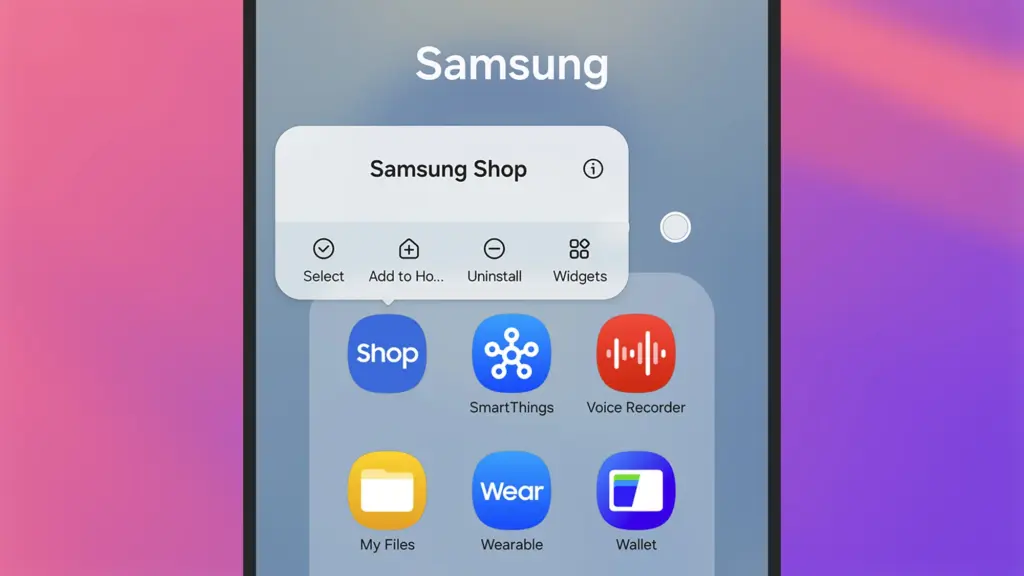
    On a Samsung phone, deleting and uninstalling apps is simple. The Settings menu allows you to remove or deactivate the majority of apps; for others, you can use ADB commands.

    Many preloaded system-related apps can be securely removed, although we don’t advise the typical user to do so.

    Although these apps don’t take up much space, you may need to factory reset your phone in order to restore it if you remove the incorrect one.

    Additionally, you are unable to remove or disable apps that are essential to the phone’s operation. Put them in a different folder if you want them hidden.

    The popular apps that you can remove or disable from your Samsung Galaxy phone are listed below. You might see different apps than those on this list depending on your area or carrier.

    Smart SwitchSamsung Pass
    SmartThingsSamsung Members
    Samsung WalletSamsung DeX
    Game LauncherSamsung Kids
    Samsung HealthSamsung Global Goals
    Galaxy StoreFind My Mobile
    Samsung InternetSamsung Health Monitor
    Samsung CloudPENUP
    Galaxy ThemesMicrosoft Office
    Samsung NotesMicrosoft Outlook
    BixbyLinkedIn
    Google WalletGoogle Maps
    Google DriveGoogle TV
    Google PhotosGalaxy Wearable
    Google CalculatorGame Booster Plus
    GmailYouTube

    Many of them are Samsung’s substitutes for Google apps like Drive or Chrome. Since they don’t interfere with how your device functions, you can safely uninstall them—especially if you like Google’s app suite.

    These are some great alternatives that you can download from the Play Store if you don’t want to utilize Google or Samsung apps.

    Get the best possible performance out of your new Samsung Galaxy mobile.

    One of the first things you should do when configuring your Samsung Galaxy phone is to remove any unneeded software. Performance can be enhanced, particularly on low-cost Samsung phones.

    Additionally, removing bloatware frees up space on your Samsung phone. Installing Good Lock modules will help you take advantage of this.

    Exclusive to Samsung phones, these customization options provide access to intriguing features.