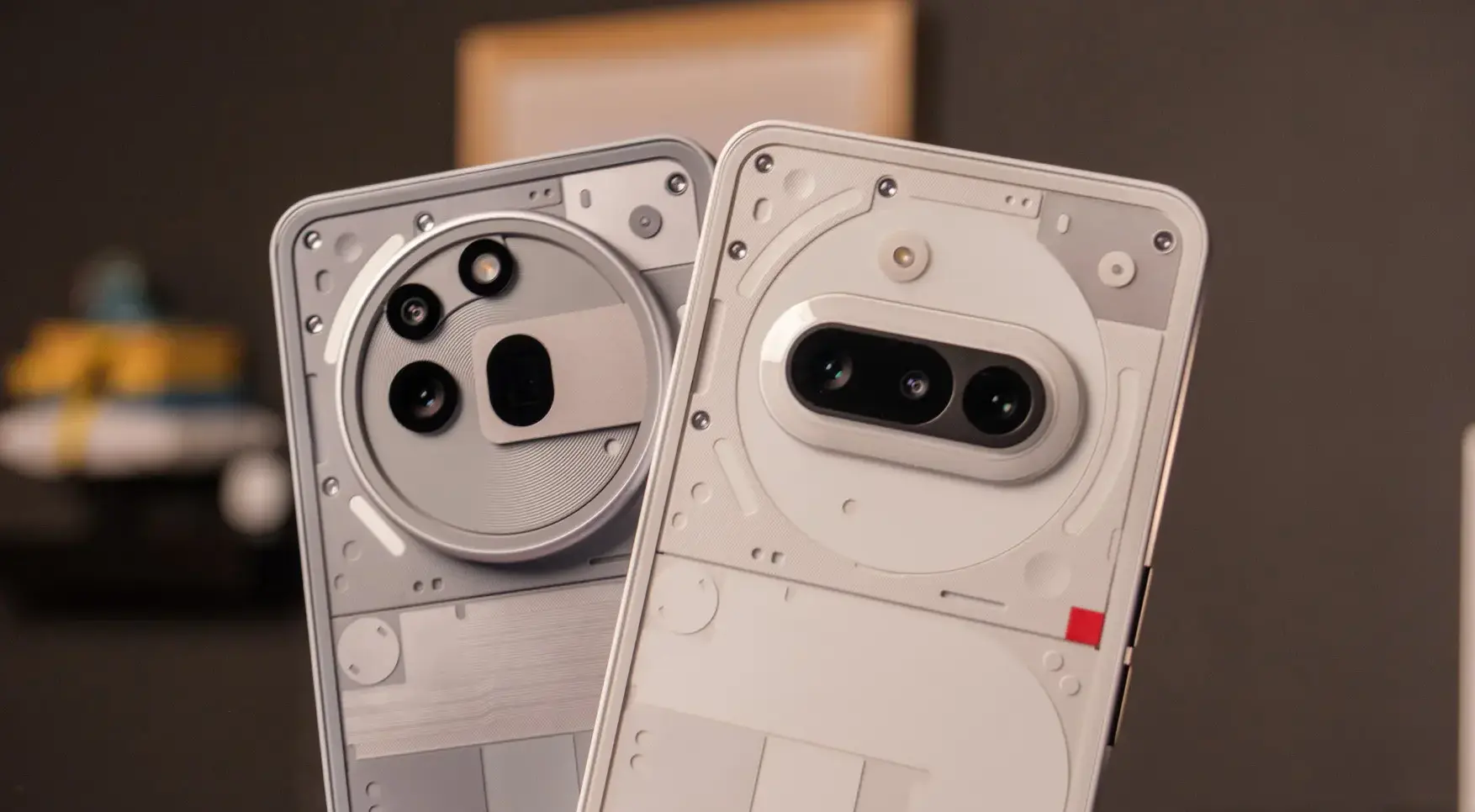
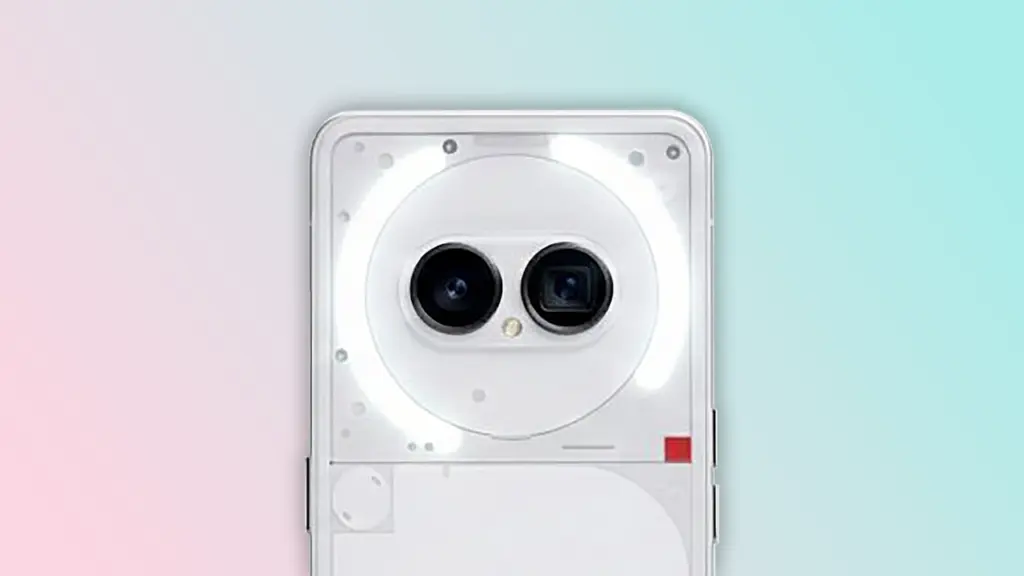
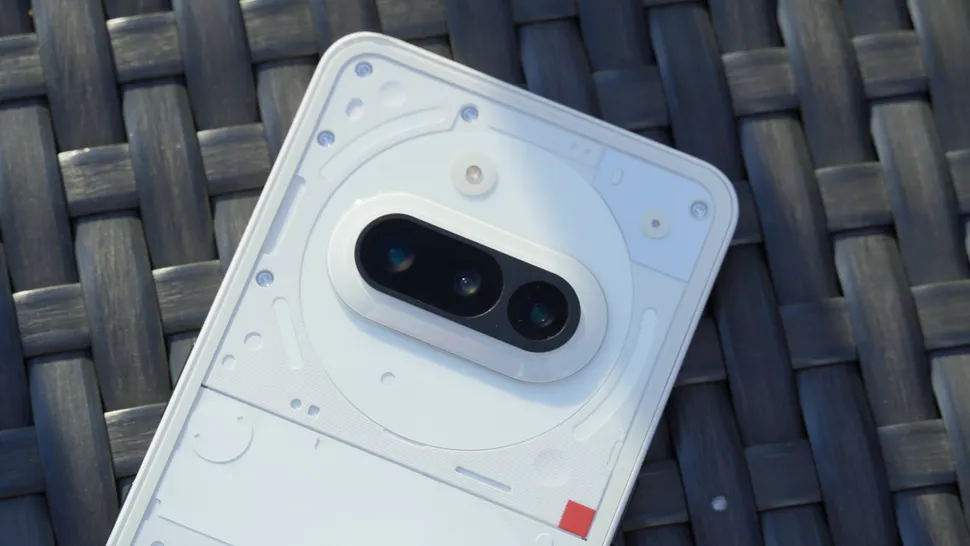
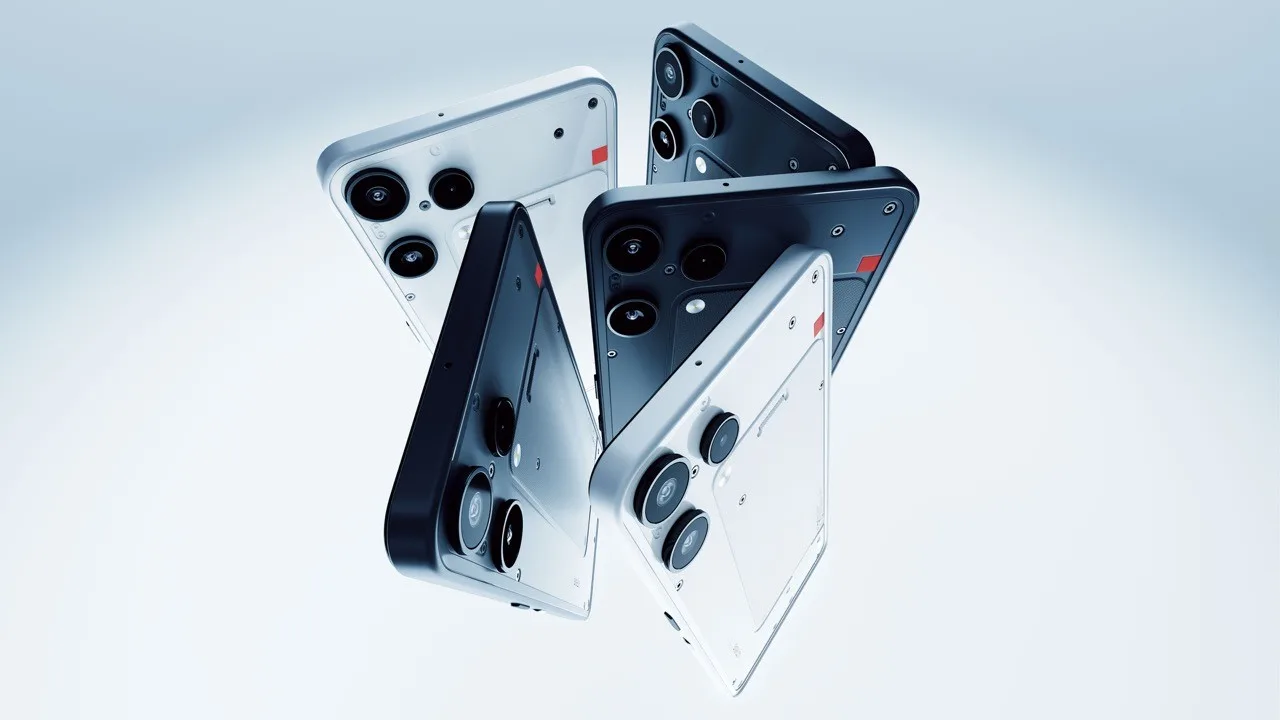
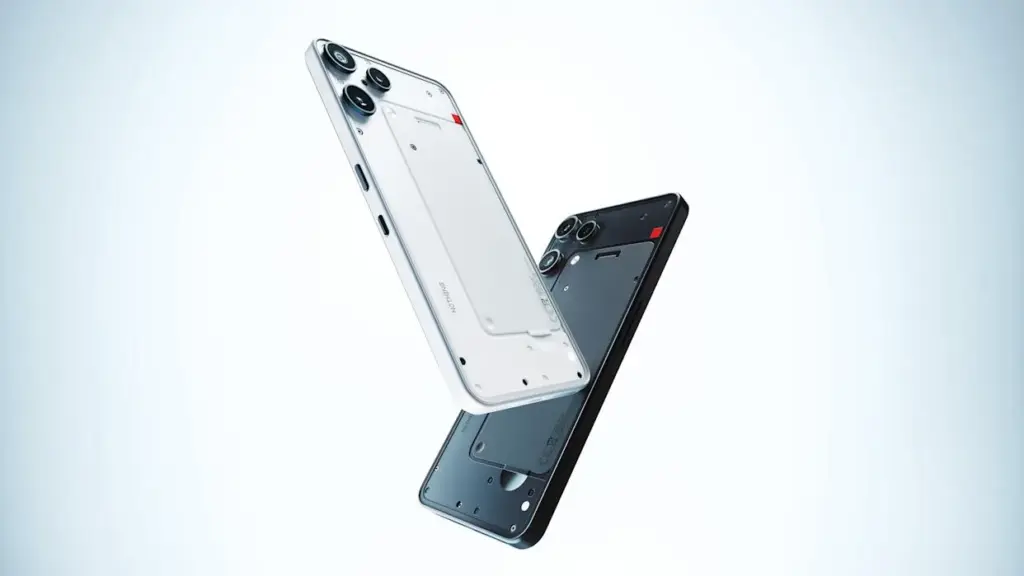
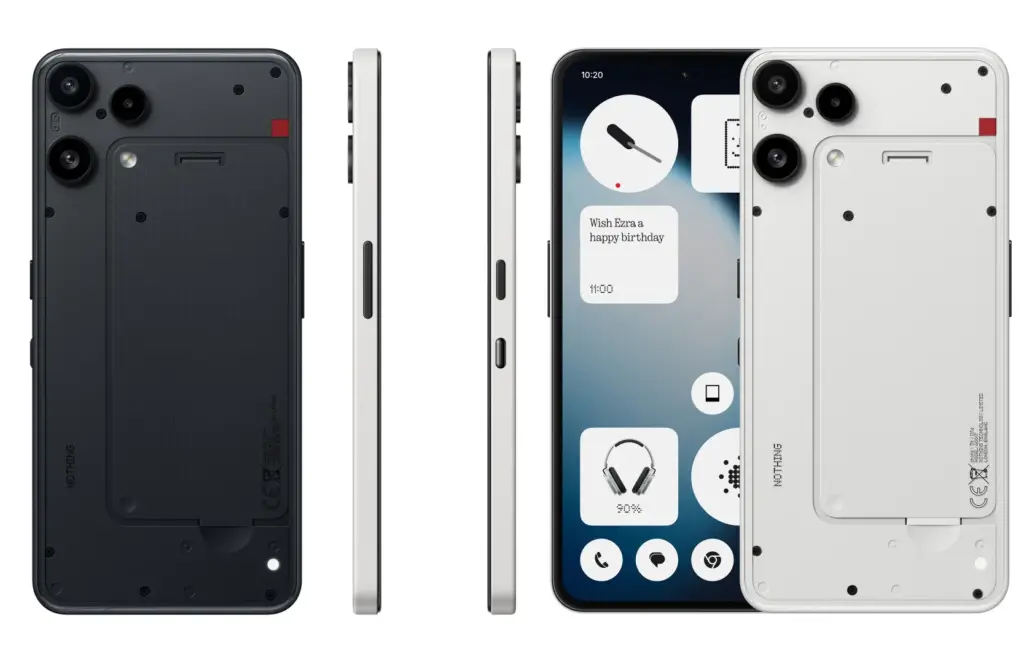
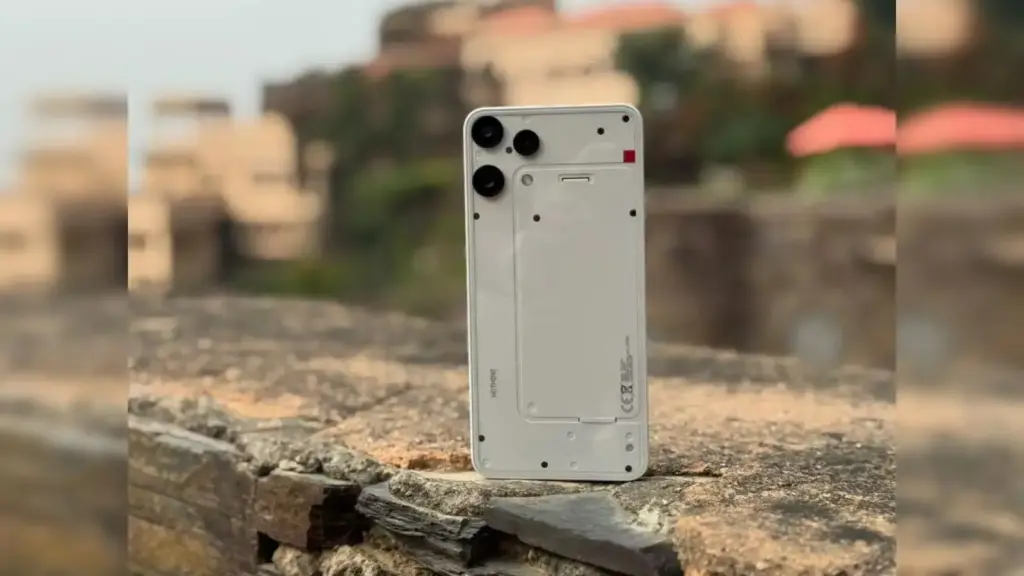
There are now reports regarding the successor of Nothing’s Phone 3a series, which debuted in the first few months of 2025.
According to a post made early this morning (January 26) by X tipster Anvin, the Nothing Phone 4a has appeared in a significant database (via GSMArena). The tipster’s information is light, but if it’s accurate, that’s probably intentional because the Phone 4a has supposedly received international certification. According to their post, the gadget was found in the TDRA database of the United Arab Emirates. The model’s codename, A069, is mentioned in the listing.
The people at GSMArena draw attention to a prior finding that stated this device’s Pro version was identified as A069P.
9to5Google once highlighted a Telegram tipster, but this database entry didn’t reveal much information (they don’t often). Nothing could compete with Qualcomm’s more mid-range/affordable Snapdragon 7s series CPUs, according to that article, which also claimed that a Phone 4a and 4a Pro were on the horizon. The 4a and 4a Pro could cost between $475 and $540, respectively. According to the rumors, eSIM may only be available on the Pro model.
Once more, the tipster stated that the two might make their debut in March 2026, coinciding with Nothing’s last serie
The Nothing Phone 4a series is coming
Last year, the Nothing Phone 3a transformed that mid-range market for consumers. The business was promoting its move from MediaTek CPUs to Qualcomm chips at the time, giving its smartphones the Snapdragon 7s Gen 3. It was an inexpensive semiconductor that had been enhanced to provide more powerful AI capabilities and improved performance. In gaming and graphical scenarios, the 3a was found to be lower than the 2a in some testing.
Given that the Phone 4a and 4a Pro may include the more recent Snapdragon 7s Gen 4, it is unclear what these devices will offer. Perhaps the gadget can aim higher this year because that chip put a lot of effort into providing flagship-quality gaming capabilities and support. Nothing has confirmed that phone prices will increase in 2026 as a result of increased DRAM and NAND costs, therefore pricing is a problem.
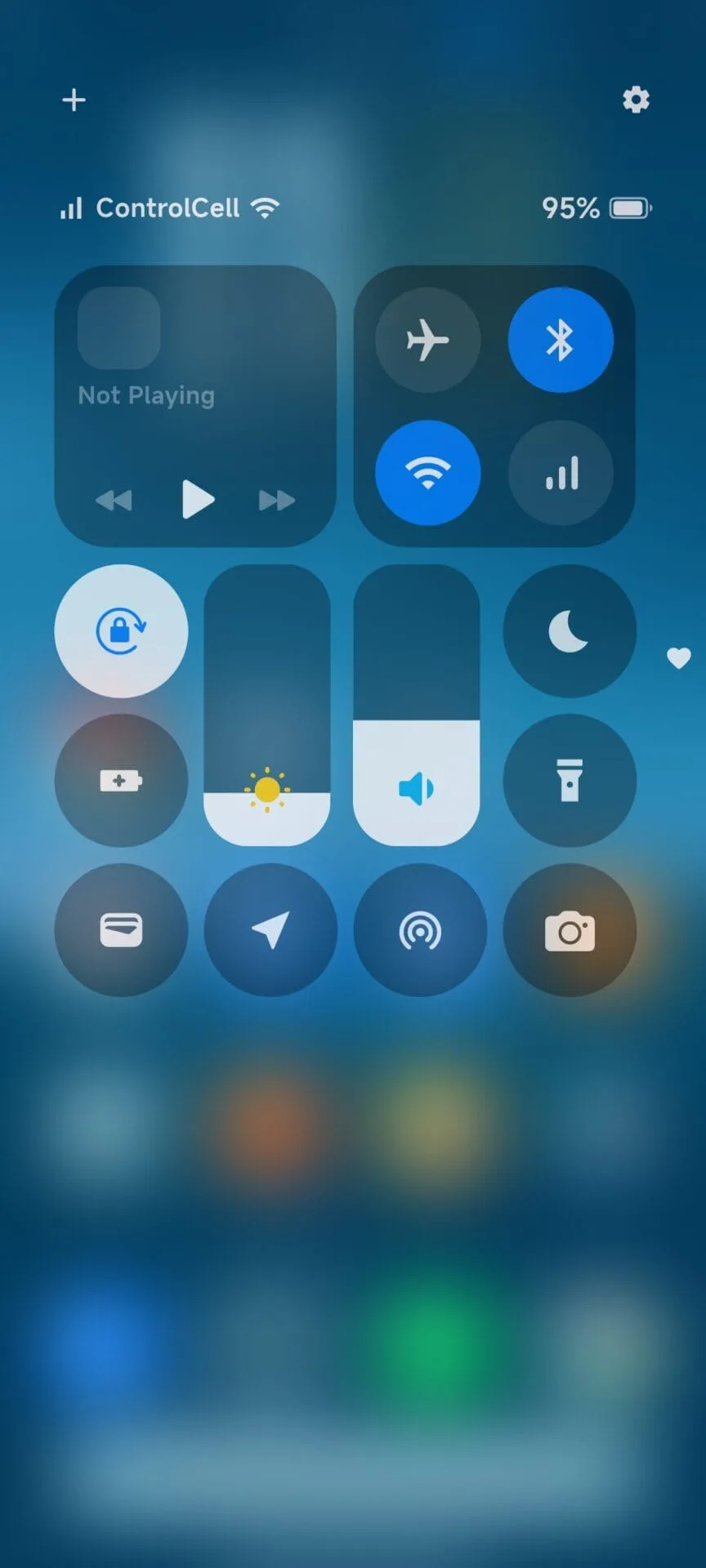
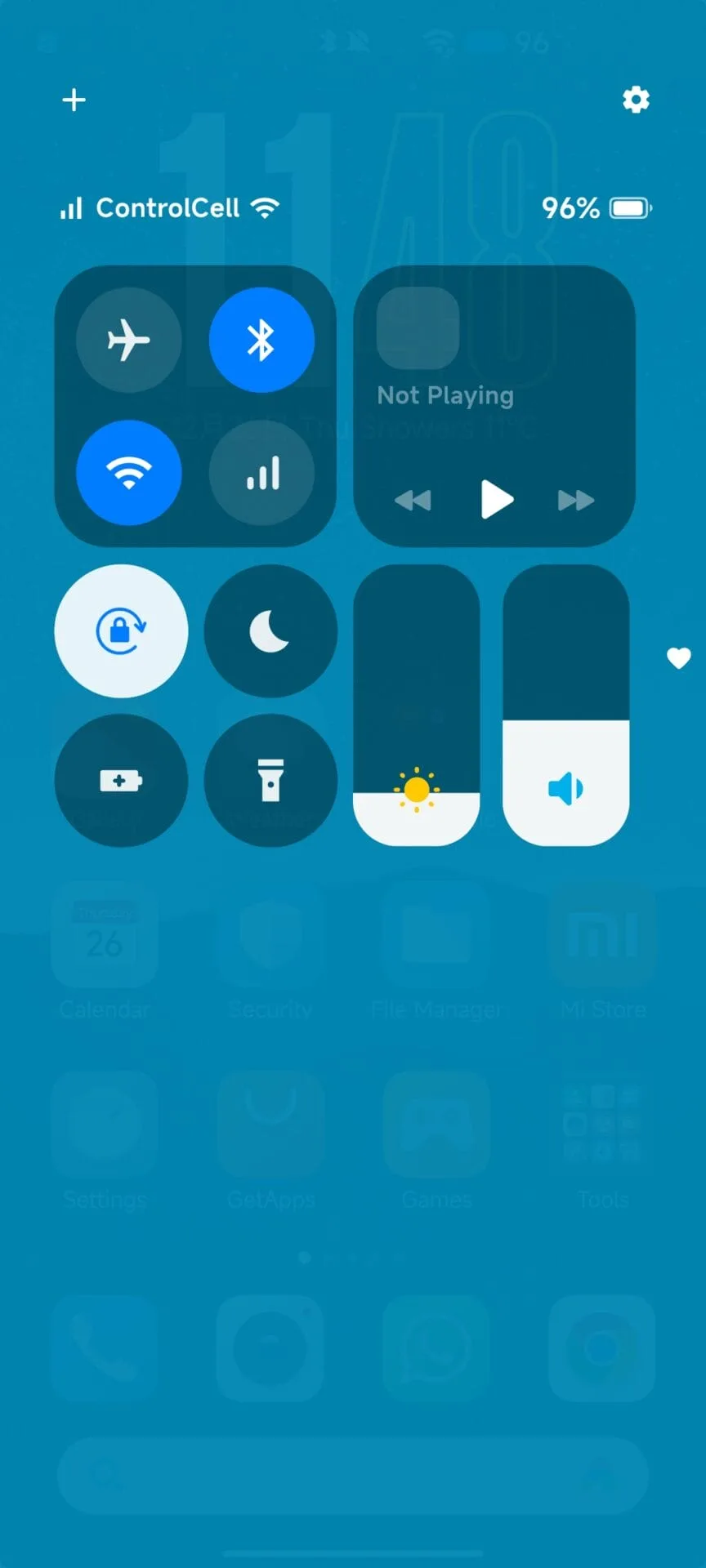
Many affordable Xiaomi phones, such the Redmi 15, Redmi 14C, and Redmi 13X, continue to use the conventional Android-style control panel rather than the contemporary iOS-inspired Control Center found on high-end phones running HyperOS. The main cause of this limitation is hardware and performance issues, which make it difficult to execute sophisticated animations and transitions smoothly.
Users of Xiaomi do not have to give up the new features and design in spite of this. It can be set up to mimic the new Control Center appearance on the majority of Redmi and POCO phones with the aid of third-party modification applications like Control Center 18.
Announced alongside HyperOS 1.0, Xiaomi’s new Control Center features an iOS 18-like interface, smoother animations, and adjustable brightness adjustments. But not every gadget satisfies the necessary performance requirements. Xiaomi limits the new UI to mid-range and flagship smartphones since entry-level handsets with low GPU and memory capacity can encounter lag or frame drops.
Xiaomi’s software framework is still adaptable, though. You may still improve the visual experience using third-party solutions like Control Center 18, which essentially replicates the look and functionality of the HyperOS Control Center, even if your phone doesn’t support the most recent control center natively.
Get the New Control Center with Control Center 18
You can simply duplicate the new Control Center with Control Center 18 app if your Redmi or Xiaomi phone does not have it natively loaded. With smooth animations, toggleable toggles, and quick access to your most commonly used options, this layout is almost exact.
Xiaomi seems to be advancing its long-standing collaboration with German optics behemoth Leica as the battle for flagship smartphones with cameras gets more intense every day. A fresh item found in the IMEI database indicates that the company is working on a far more ambitious project, despite the fact that leaks on the basic version of the Xiaomi 17 Ultra have recently dominated tech news. Known as the “Leica Leitzphone powered by Xiaomi,” this new model distinguishes out as a limited edition designed to combine performance and luxury in mobile photography.
Xiaomi 17 Ultra comes in 2 variants
Recently, the first specific details about the Xiaomi 17 Ultra series surfaced. The first variation was identified as having the product number “2512BPNDAG,” and it was found that this device’s internal codename is “P1.” It is anticipated that this model will be made available as the series’ standard “Ultra” model. The really intriguing change, though, was the addition of a second variation with a whole new naming structure to the IMEI database.
The model number of the recently discovered record is “25128PNA1G,” and the device’s internal codename is “P1S.” Here, the “S” suffix is believed to stand for terms like “Special.” The marketing name for this model is specifically stated as “Leica Leitzphone powered by Xiaomi” in the GSMA records. This suggests that Xiaomi may use the more prestigious “Xiaomi 17 Ultra Leica Leitzphone Edition” or “Xiaomi 17 Ultra Leica Edition” to launch this device.
This naming has a long history. Ernst Leitz, the man who founded the Leica brand, is the source of the name “Leitz.” Perfectionism in optical engineering is exemplified by the Leitz family, a legend in the field of photography. A global “Leitzphone” initiative with Xiaomi might be Leica’s largest step in the mainstream flagship market, even though the company already produces a “Leitz Phone” series (the most recent being the Leitz Phone 3) carrying its own brand in the Japanese market through a partnership with Sharp. Combining Leica’s optical history with Xiaomi’s manufacturing prowess could produce a gadget that revolutionizes smartphone photography.
New camera setup
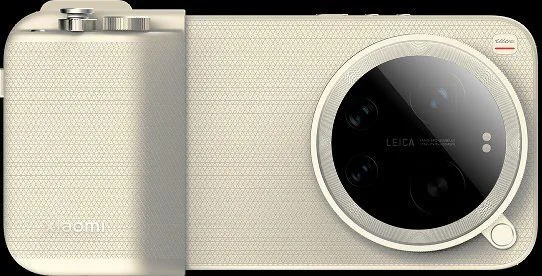
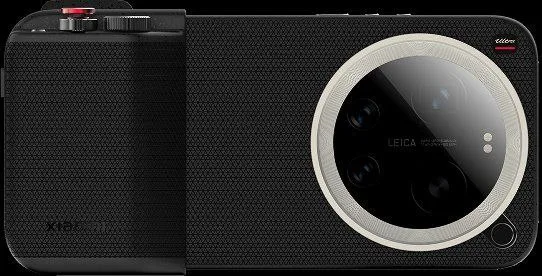
The back camera arrangement of the device is clearly visible in leaked photos of the “Photography Kit,” dispelling earlier reports of a “quad-camera” configuration. The pictures show that the Xiaomi 17 Ultra will have three cameras rather than four. It is noted that where the fourth lens would normally be, a unique sensor region or space has been left in the module design.
This suggests that Xiaomi is concentrating on improving the quality and sensor sizes of the current lenses rather than producing more lenses. The following is a list of the sensor setups evaluated under the codename “Nezha”:
Main Camera: 50MP OVX10500U (also known as OV50X) sensor.
The switch to a triple camera arrangement is thought to have been an engineering decision made especially to accommodate the larger primary sensor and the enormous 200MP telephoto sensor. A special grip and filter adaptor that converts the device’s ergonomics to that of a DSLR camera also seems to be included in the leaked photography package.
Other expected specs
Hardware-wise, the Snapdragon 8 Elite Gen 5 mobile platform is anticipated to power the Xiaomi 17 Ultra and its exclusive Leitzphone variant. Leica-only image processing techniques and sophisticated AI features will be included in the gadget, which will come pre-installed with the HyperOS 3 operating system. Information also indicates that satellite communication will be supported by the worldwide version.
The goal of the Xiaomi 17 Ultra series is to be a pocket-sized professional camera in addition to a smartphone. Based on the model number “2512,” these two gadgets, codenamed “P1” and “P1S,” are anticipated to be released in the final quarter of 2025 (December 2025), and they are projected to completely change the landscape of mobile photography.
If you were a fan of Nothing, you would know that the release of the Nothing Phone (3a) Lite wasn’t news, yet it was. On the one hand, you are ready for the surprises these gadgets deliver. Conversely, the Nothing Phone (3a) Lite is unique. The brand’s sole entry-level phone will go on sale in October.
You adore phones with translucent designs and glowing glyph lights, and the Nothing Phone series perfectly captures that feel. This phone is unique! Prepare for the Nothing Phone (3a) Lite, the most daring low-cost option to yet. We will discuss the launch, the cost, what to anticipate, and everything in between.
Nothing Phone (3a) Lite announced
Nothing recently revealed that the Phone (3a) Lite would go on sale worldwide on October 29, 2025. That is 1:00 pm GMT, or 6:30 pm IST if you’re in India. YouTube and Nothing’s website both provide live streaming of the event. The launch schedule as a whole aligns perfectly with the Phone 3 lineup. It comes after the March 2025 Nothing Phone (3a).
It’s their first real entry-level phone. It is also intended to be less expensive than their CMF lineup. This launch calls out to you if you prefer daring over basic. With its useful pro features, this phone might be your next reasonably priced upgrade. We now go on to the following part.
Features and design
Nothing perfectly captures the eccentric style, yet it doesn’t even appear strange. The Nothing Phone (3a) Lite, which comes in black and white, has a sleek design. A rear LED flashlight is shown in teasers. It also serves as a ping for notifications. However, it now appears lot simpler. This is not a full light show. It lights just enough to draw attention, though.
It comes pre-installed with Android 15. Nothing about OS remains tidy. Widgets look stunning. The gestures are fluid. You get that feeling of transparency without the clutter.
We are aware that the Nothing Phone (3a) Lite will have a 6.77-inch full-HD+ AMOLED screen before it is released. All flagship and respectable 30k-range phones on the market have it at 120 Hz. There are 1.07 billion shades of color. ideal for playing games, watching movies, and other media.
Budget phones typically use the MediaTek Dimensity 7300 processor. Another item on the list is the Nothing Phone 3a Lite. This phone’s apps seamlessly multitask because to its 8GB RAM. 128GB of storage. Extend if necessary.
Regarding the battery, it happily keeps the large 5000mAh cell that lasts all day. At 33W wired, charging is quick. 5W reverse charging. It’s sufficient to sustain earbuds.
One of Nothing Phones’ best features is its cameras, which are not being downsized either. We have an 8-megapixel ultrawide, a 50-megapixel telephoto for zoom, and a 50-megapixel primary camera on the back. An incredible 16-megapixel selfie lens is located on the front. Rear camera daylight photos are particularly striking. The performance in low light is the sole drawback. It’s good, but not at the pro level.
Nothing Phone (3a) Lite price
As far as we are aware, this version was released to compete with more reasonably priced phones. With the lite edition, nothing keeps entry-level real. At the very least, we should anticipate a 5–6k price reduction from the original model. With 8GB RAM and 128GB storage, the Phone (3a) Lite is priced at Rs. 17,990. A great deal for fans of Glyph. Sales begin shortly after introduction, most likely on the website of Nothing or Flipkart.
How does it compare, though? This is a brief table of competitors priced between Rs. 15,000 and Rs. 20,000. The software, features, and performance of these packs are comparable.
Phone Model
Price (Rs.)
Key Highlights
Nothing Phone (3a) Lite
17,990
Dimensity 7300, Glyph LED, 120Hz AMOLED
Moto G85 5G
17,999
Snapdragon 6s Gen3, 50MP OIS cam, 5500mAh
Realme Narzo 70 Pro
18,999
Dimensity 7050, 50MP main, 67W charge
Samsung Galaxy A16 5G
18,499
Exynos 1330, 50MP triple cam, 5000mAh
Poco X6 5G
19,999
Snapdragon 7s Gen2, 64MP OIS, 5100mAh
Nothing Phone (3a) Lite vs Nothing Phone (3a)
We are tempted by the Lite because it is reasonably priced. However, if you can afford to spend a little extra, the complete Phone (3a) entices you more. Since the 3a isn’t too old, the most recent software upgrades are comparable to those of the light. The price is Rs. 22,500. This table may help you make a decision if you are unsure about how the Lite version differs from 3a. Let’s do a table comparison.
Feature
Nothing Phone (3a) Lite
Nothing Phone (3a)
Price (Rs.)
17,990
22,500
Processor
Dimensity 7300
Snapdragon 7s Gen3
Display
6.77″ FHD+ AMOLED, 120Hz, 1.07B colors
6.7″ FHD+ AMOLED, 120Hz, 1B colors
Rear Camera
50MP + 50MP tele + 8MP UW (no OIS)
50MP OIS + 50MP tele + 8MP UW
Front Camera
16MP
32MP
Battery & Charging
5000mAh, 33W wired, 5W reverse
5000mAh, 50W wired, 7.5W reverse
In terms of speed and shots, the 3a prevails. In games, Snapdragon outperforms Dimensity. OIS stabilizes videos. 32-megapixel selfies are crisper. At 50W, charging is incredibly quick. In twenty minutes, that will be half full.
But Lite is resilient. identical battery life. The screen pop is similar. Hold on to Lite if the budget is tight and you can do without a few slightly less expensive features. Eighty percent of the magic is delivered by it. Only if you are using a previous series should you upgrade after the Nothing Phone (3a) Lite launch.
The Nothing Phone (3a) Lite demonstrates a bold look that isn’t appropriate for everyone. However, many people can afford it. This phone is especially suitable for young people who are in college, are students, or are starting their first job. Additionally, the Nothing phone 3a lite can be your calling if you swap phones every two to three years in search of the newest features.
How do you feel about the release of the Nothing Phone (3a) Lite? Would you purchase it? Leave a comment with your ideas!
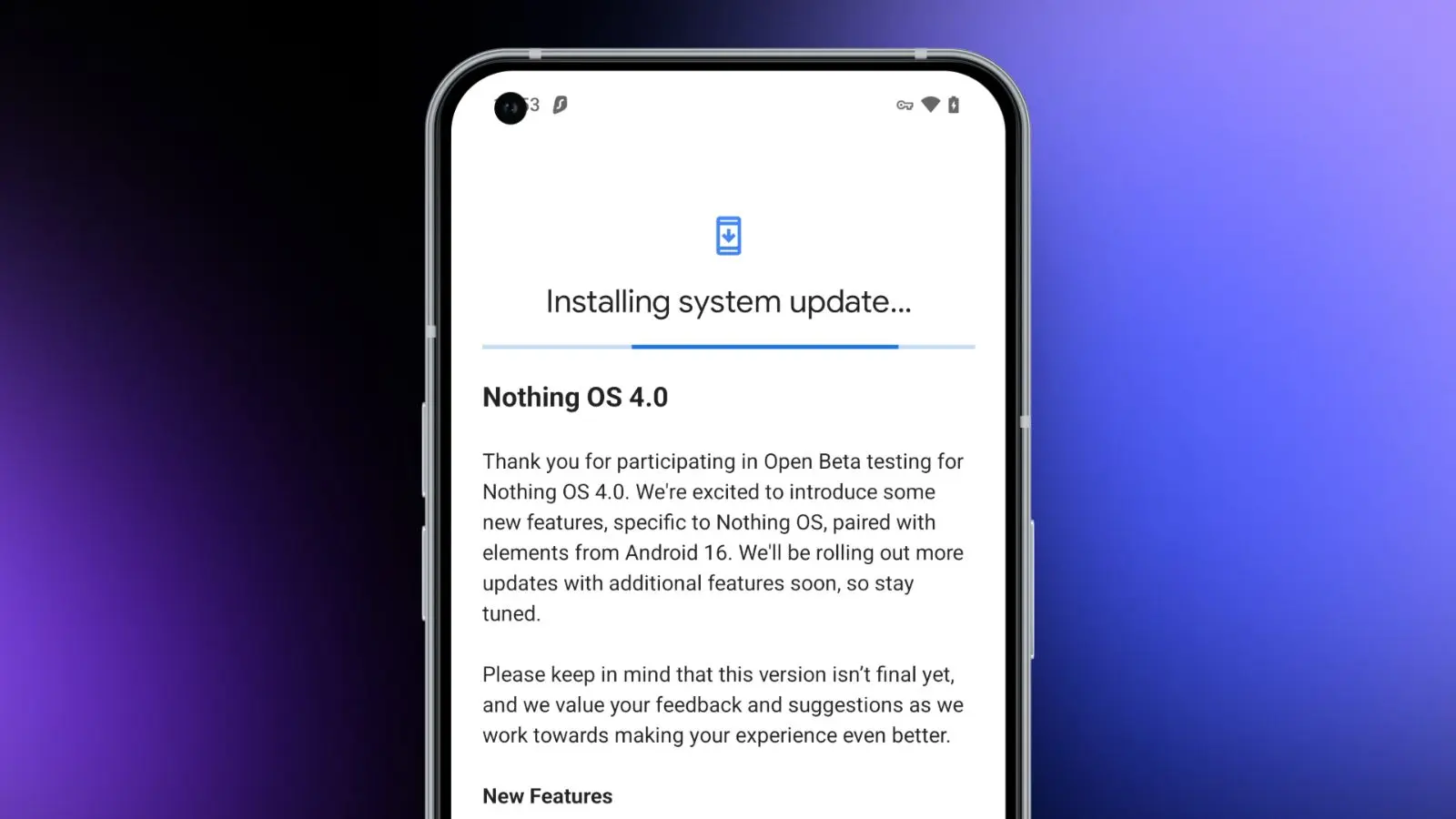
Today, we need to discuss a few significant news from Nothing. First, for those who own a Nothing phone and would like to try out Android 16 before it becomes stable, Nothing has made the Nothing OS 4.0 Open Beta (Android 16) available. The other news relates to that since it presents the Playground and Essential Apps, both of which require additional explanation. In summary, Nothing came up with a really great idea.
Download the Nothing OS 4.0 Open Beta:
Let’s start with Nothing OS 4.0, which is now in beta testing. To obtain this, you must have a Phone 3 or any of the Phone 2 and 2a versions. You might be out of luck right now if you own a Phone 3a device, as they haven’t mentioned them yet.
There are a number of changes in the Nothing OS 4.0 beta, all of which we’ve detailed in this post. It includes “generic” enhancements like a more sophisticated design, an additional dark mode, enhanced app optimization, and a better photography experience. Nothing also mentioned two new lock screen clock faces, a new Pop-up View, and support for 2×2 Quick Settings tiles in today’s announcement.
Installing the Nothing Beta Updates app, joining the beta through it, and then installing the beta software are the largely straightforward steps to begin, providing you enjoy testing beta software.
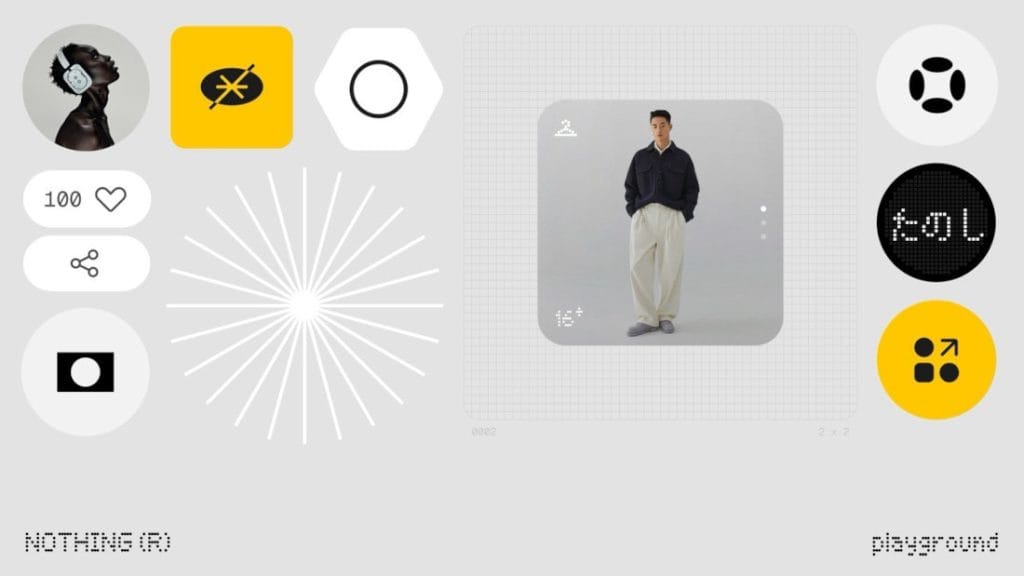
Nothing Essential Apps and Playground: In other exciting news, Nothing has introduced the Playground and Essential Apps that are housed within it since we enjoy fresh concepts. If your Nothing device is running Nothing OS 4.0, you can install programs, Glyph Toys, camera settings, and EQ profiles from the Playground, which is effectively a community storefront. Even while you might not find that concept particularly novel or intriguing, the apps and their origins may be.
Nothing has developed a web gateway that lets you make your own programs that your Nothing phone may install as widgets. You go to the Nothing Playground website (here) and try to explain a phone app you want. To put it another way, you would be describing a widget that isn’t currently on your device but may be a helpful program or action. This Playground site’s AI will install it on your device if it is capable of doing so.
You only need an idea that you can clearly express in a prompt that AI could grasp and then develop from, as this is all happening from AI prompts. You don’t need to know how to code to accomplish this. But in case you were curious, you can see the code it spits out. All of this is a sort of early “alpha” with some obvious restrictions. There has been no indication that it will grow and incorporate agents, APIs, and integrations in the future, which should make this something really amazing.
A Tic Tac Toe app, an F1 timetable, a water intake tracker, a flight reminder, a solar clock, a small calculator, and a breathing tracker are a some of the apps that are now available on the Playground. You may already have some of those features from other apps, but the idea is that you may think of something useful at the time and instruct the Playground to create it. In only a few minutes, that might be on your home screen and be usable. That is a significant idea.
You will be able to download other members’ apps and share your own publicly on the Playground to completely increase the number of apps and ideas available.
Google formally announced the Pixel Phone app’s wider worldwide availability today, along with a few new and planned features.
Google is formally introducing “basic Call Recording to all countries where Pixel is supported,” acknowledging that it is a fundamentally valuable tool even in the absence of AI transcription or summaries. Over the remainder of the year, the “extension to other countries will roll out.”
In particular: “Call recording will be accessible on Pixel 6 and later smartphones, which are unable to implement more sophisticated Call Notes features.” A disclaimer to “respect the other caller’s privacy” will be included.
In the meanwhile, Android Auto will allow you to view the Call Screen. You will be able to turn on Call Notes from your vehicle later this year.
Scam Detection is expanding to Australia, Canada, Great Britain, India, and Ireland
Call Notes will roll out to additional countries this year to Australia, Canada, India, and Ireland “as a beta preview”
Call Screen is coming to Australia, Canada, and Ireland. In India (starting with English and Hindi), Pixel 10 users will soon get a beta version of Manual Call Screen.
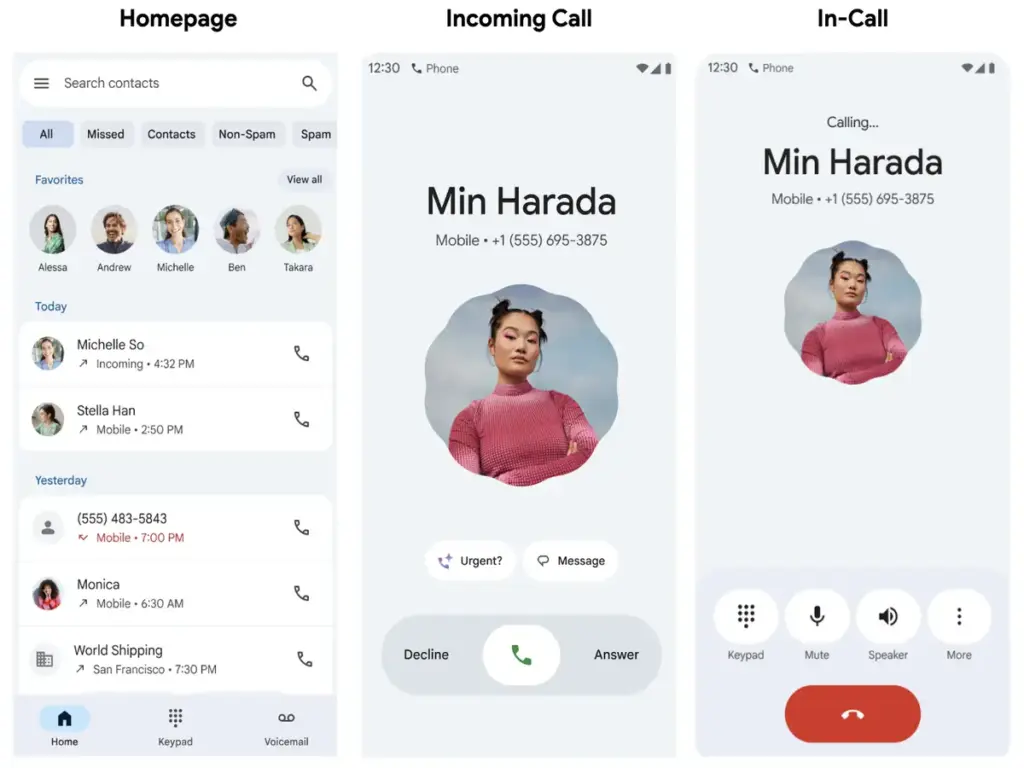
Lastly, Google’s post today summarized the Pixel 10’s Magic Cue, Voice Translate, and Take a Message features. Material 3 Expressive is advantageous to all Pixel Phone app users; according to Google, it “creates a more intuitive and easier experience, more than a visual upgrade.”
The Home tab’s Favorites carousel, which also features a “simplified recent calls list,” is meant to eliminate the need for you to switch between screens. Next are the “single-tap and horizontal swipe options for answering and refusing calls.”
The Samsung Galaxy S25 Ultra and iPhone 17 Pro are two of the greatest phones available right now because of their incredible cameras and powerful processors. Even though these high-end flagships could be the best mobile devices available right now, getting them will cost you a fortune. Even phones that are affordable, like the Google Pixel 9A, are still expensive, and since people’s budgets are getting tighter everywhere, it’s more crucial than ever to get the most out of your purchases. Instead of updating more frequently, the simplest approach to achieve that is to just stay using your phone longer, spreading out that expensive purchase across the years.
Not only is it better for your wallet, but it’s also much better for the environment. If you upgrade your phone less frequently, fewer phones will be made and distributed, and fewer old phones will wind up in landfills. The good news is that manufacturers such as Apple, Google, Samsung, and others are extending the support period for their phones’ software updates, so the phone you purchase today will continue to be safe to use for many years to come.
You are responsible for the remainder. It takes some work, a lot of attention, and a few crucial tactics to keep your phone in good operating order for the seven or eight years of software support it may receive.
Therefore, these are the best ways to extend the life of your phone.
Update the software
Avoid using a phone that isn’t receiving security upgrades since it’s just not safe. Phones like the Google Pixel 9 series now come with seven years of software support, whereas before it was typical for many Android manufacturers to support new phones for only two to three years. Unfortunately, some less expensive phones, such as the recently released OnePlus Nord CE4 Lite, only get upgrades for a few years. When purchasing a new phone, be sure to inquire about its support duration since this will provide you with greater value during the phone’s lifetime.
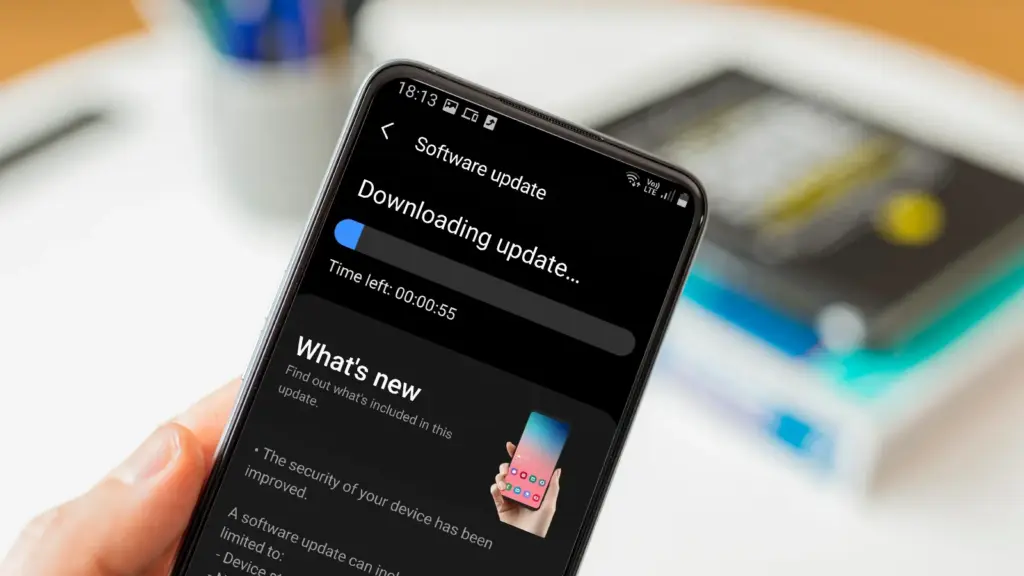
Keeping your phone up to date with the most recent security update will help prevent hackers and remove any dangerous software that might infiltrate and cause your phone to lag. If you have an older phone, go to the settings menu, scroll down to Software Update, and click to see if there is an update available. Most phones will automatically ask you to install the most recent upgrades, and you sh
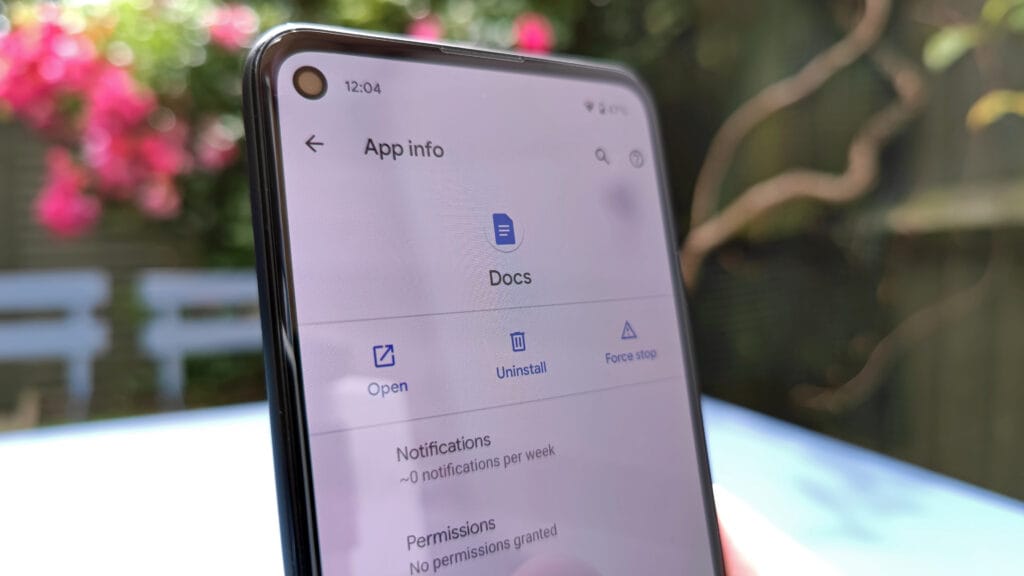
This also applies to your apps, which must be updated to stay compatible with the iOS or Android version you’re using. Allowing apps to update automatically in the background is a good idea, but if you don’t, make sure you’re running the most recent versions by going into your preferred app store.
Protect it with a case
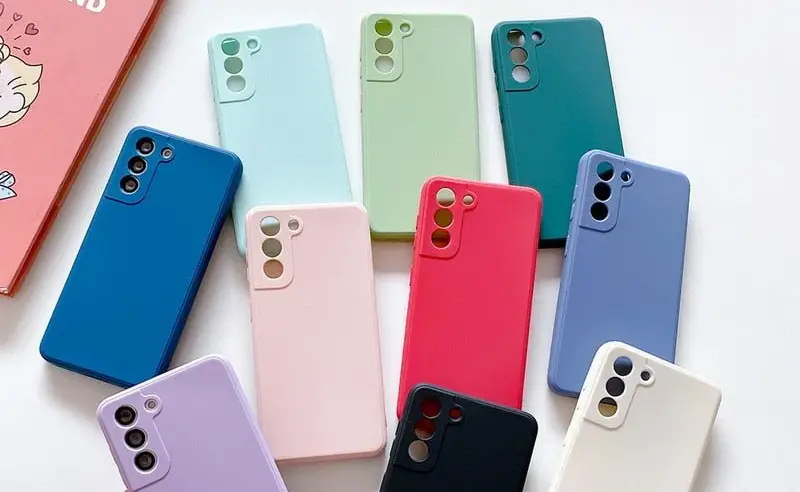
If you recently purchased a brand-new iPhone, installing a case right away is the best way to preserve it physically. In addition to protecting it in the event that you drop it, it will also assist prevent it from absorbing tiny scratches from your pocket’s coins or keys.
Since there isn’t much you can do to repair your phone’s screen after it becomes damaged, a screen protector is also a smart option. You can easily change a screen protector if it gets a severe scratch, keeping the phone itself looking brand new for many years to come. When it’s time to update, keeping your phone looking new could help you sell it for more money on the used market, even if you don’t intend to keep it for many years.
Replace the battery
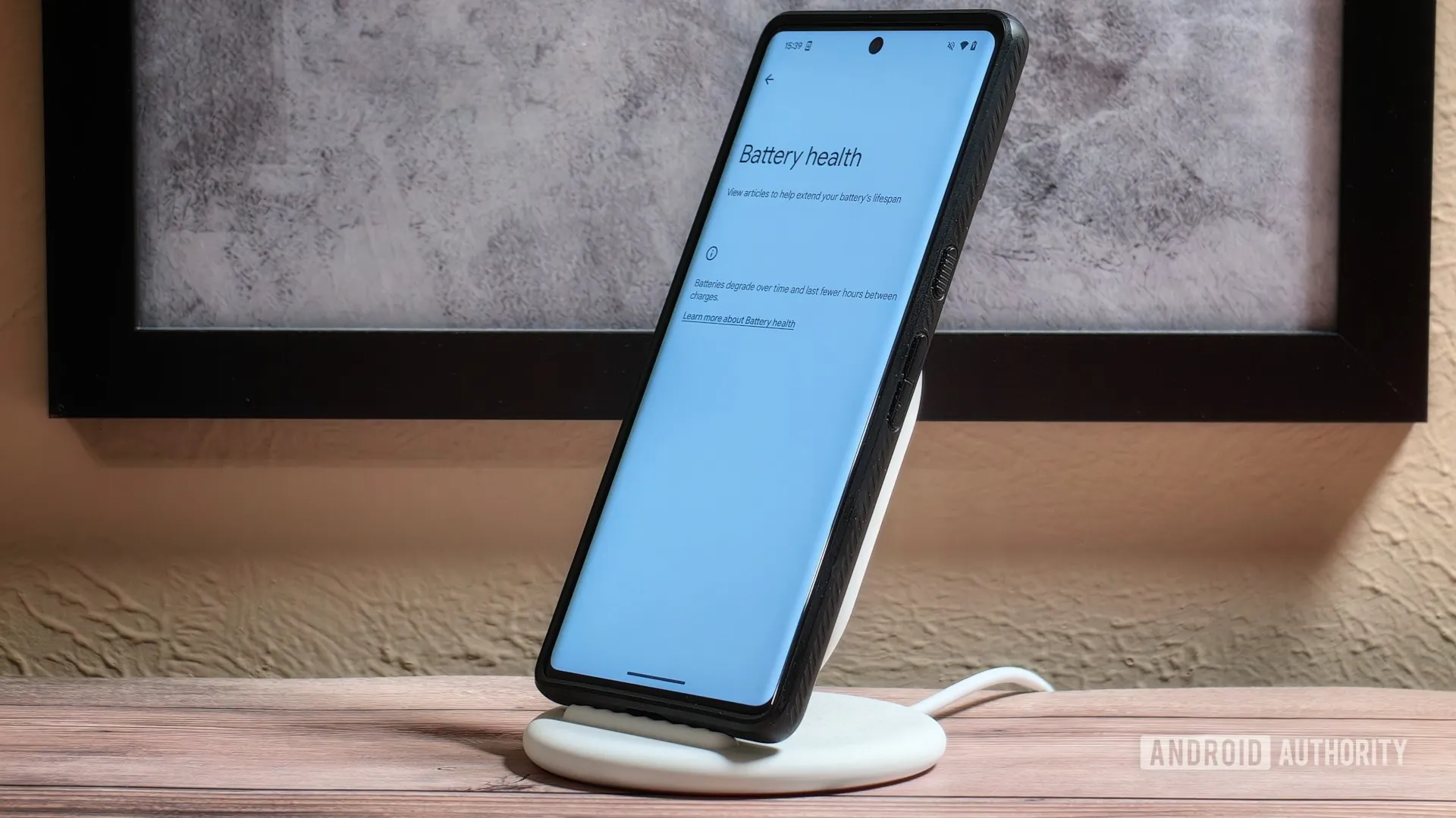
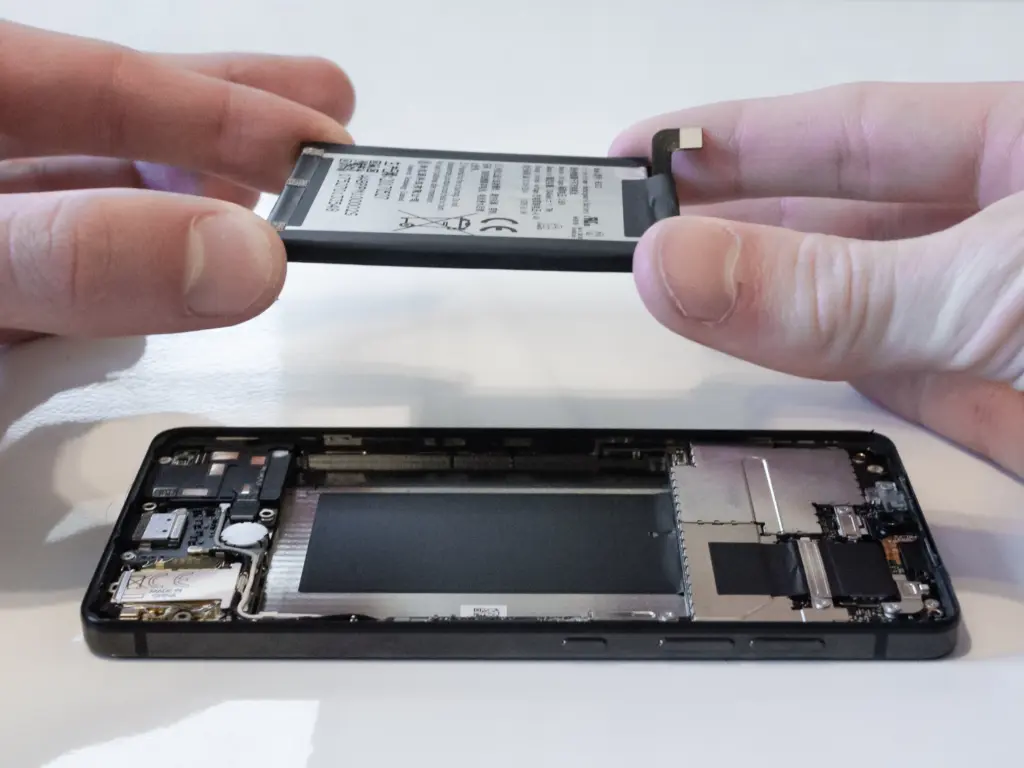
Over time, the battery in your phone will progressively degrade, giving it less life between charges than it did when it was brand-new. All phones are like this. Batteries in certain older phones might only provide 50% of their previous capacity. Your phone may even alert you when it senses that your battery isn’t providing enough power, in which case it may limit your processor to make up for it.
Don’t worry; most phones have a battery that is rather simple to change on your own to give it a fresh lease on life. If your battery is about to die, it could be worth trying to repair it yourself. iFixit offers a wide range of kits and third-party replacement batteries to fit a large number of phones.
If you’re not very confident with your screwdriver skills, this might be a nice alternative to think about. There are a number of places you can take your phone to have your battery replaced, or even other components like a broken screen. However, not all of them are really legitimate.
Remove old apps that you are not using anymore
Your phone is probably cluttered with thousands of pictures of your friends, pets, or the plates of food you’ve consumed over the years if you’ve owned it for a long time. You probably have a number of outdated apps and games that you downloaded on the spur of the moment, played for a few bus rides, and then switched to the newest mobile gaming craze.
In addition to negatively impacting your phone’s general performance, a shortage of storage may also make it more difficult to install important software updates. It’s worthwhile to look through your archives, remove anything from your phone that is wasting space, and backup any pictures and movies you wish to store to the cloud.
It might even be worth backing up all of your crucial data and performing a complete factory reset, starting over, and only installing the necessary apps if your phone has been slow for a long period.
Clean out your ports
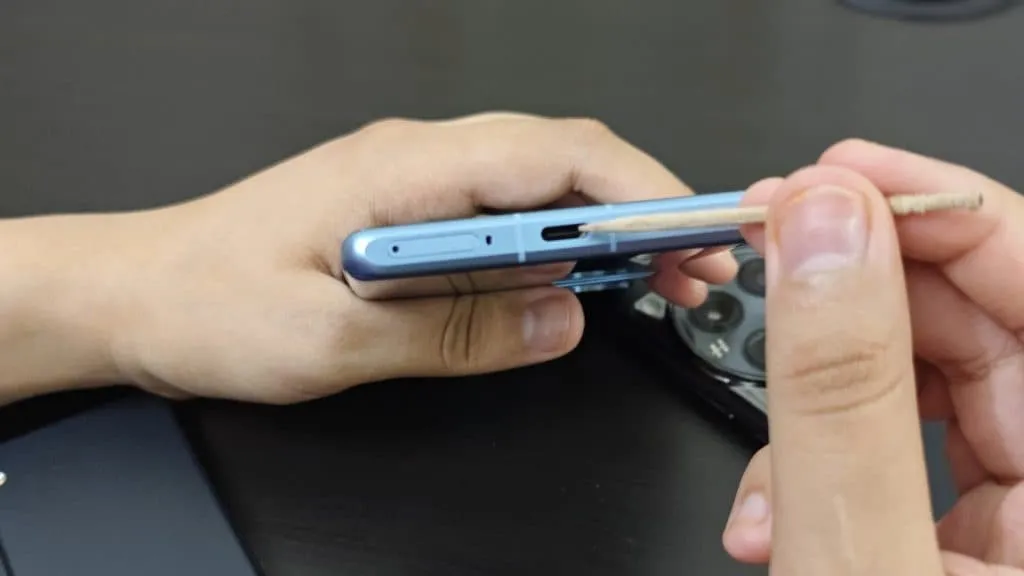
Last but not least, cleaning your phone can offer unexpected benefits. Your phone may suffer greatly from pocket fluff, especially when it comes to the charging connector, which frequently becomes clogged with bits of junk. As a result, your phone won’t charge when you plug in your charger because it can’t connect completely.
It’s tempting to assume that something has broken, like the cable or the charging port itself, but it could just be that the port is overflowing with lint. To make sure your charger fits without requiring forceful wriggling, occasionally insert a wooden toothpick into the area and try to ease out any dirt or debris you notice.
To make sure you can clearly hear—and be heard—during your phone calls, it’s also worthwhile to carefully brush away any debris you may discover near the speakers and microphones with an old toothbrush that has been cleaned and dried.
Nothing is showcasing its Android 16 update, Nothing OS 4.0, as well as its new features and designs, ahead of its open beta launch that is “coming soon.”
Earlier this year, the Phone (3) and Nothing OS 4.0 were announced, although the design hasn’t been revealed yet. However, nothing explains the new features of its Android 16 version in a recent post and video.
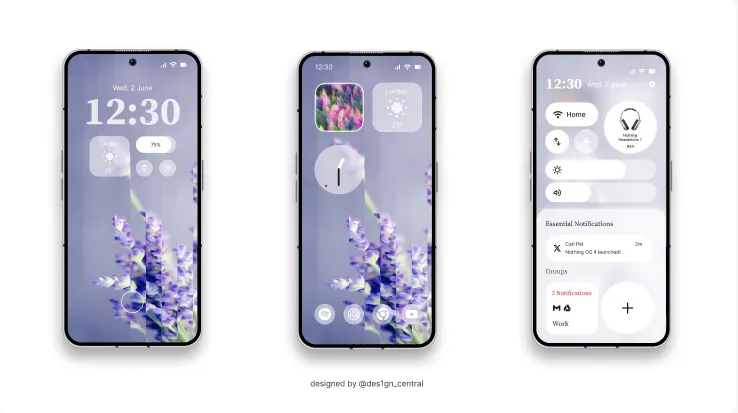
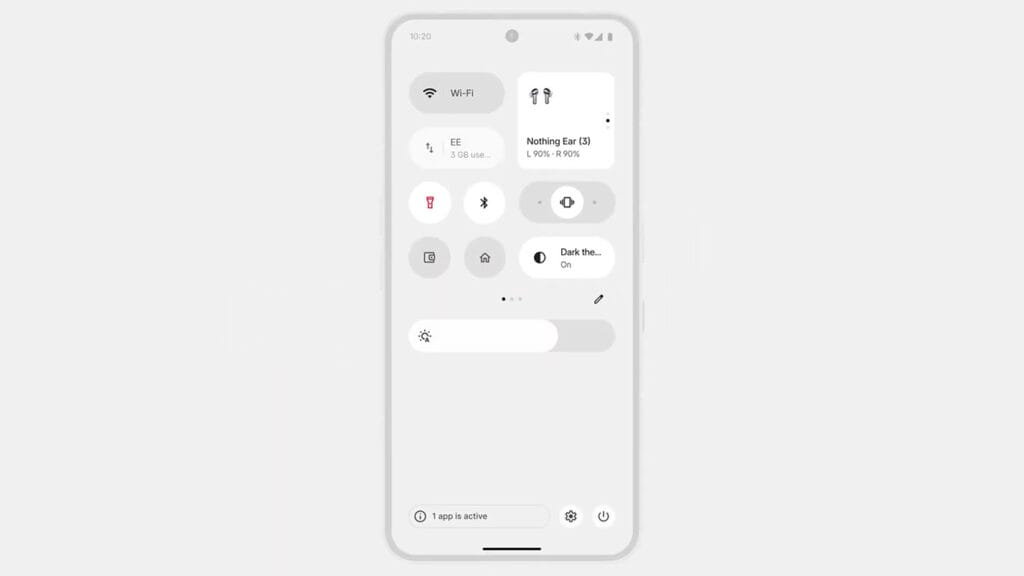
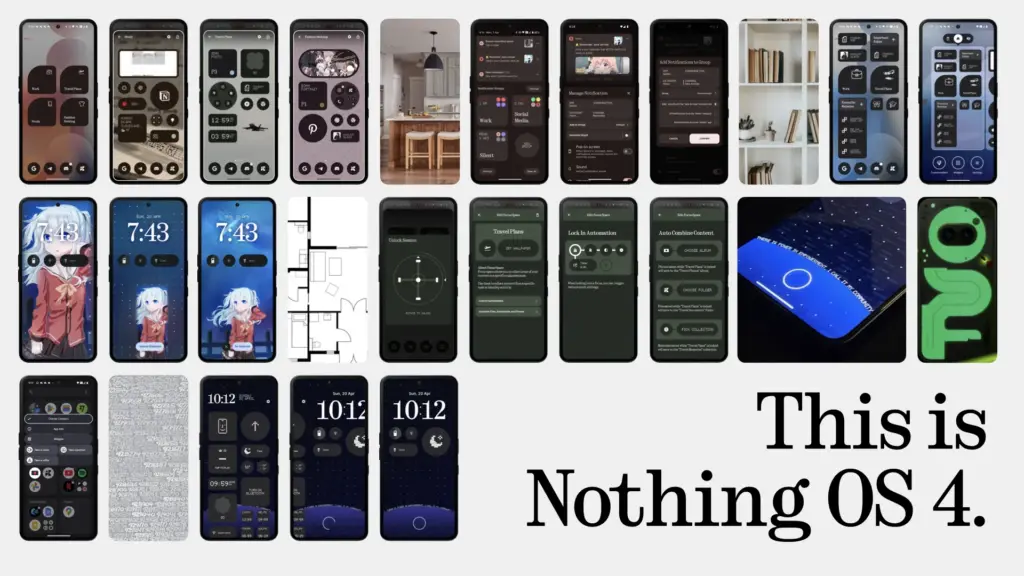
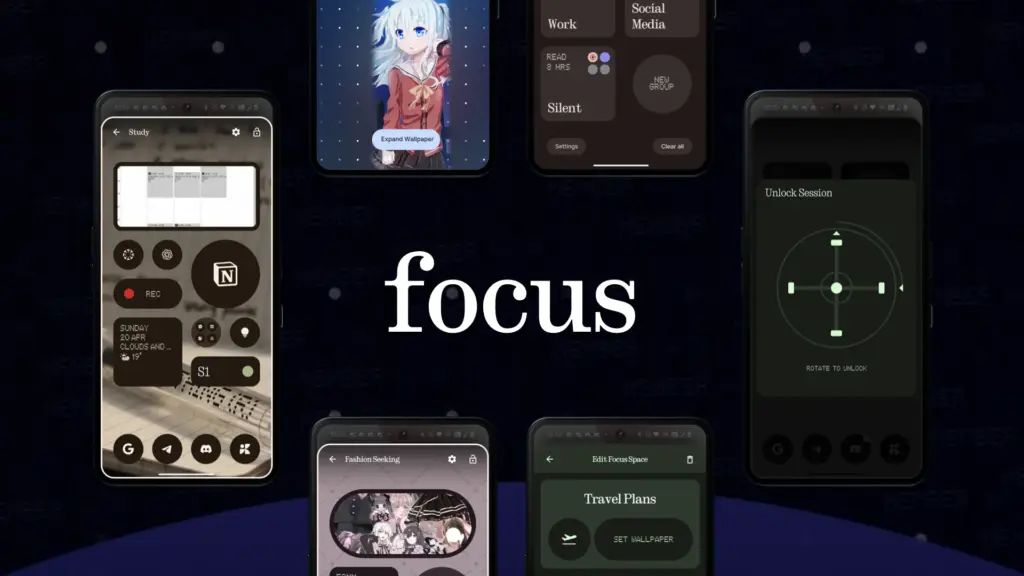
The primary visual upgrade of Nothing OS 4.0 is a “sharper, more deliberate design across every layer.” Specifically mentions an improved Quick Settings panel, new lock screen clocks, and other changes across Nothing’s apps.
In contrast to Android’s usual dark grey theme, there is a new “Extra Dark” theme that is completely black.
The floating app icons improve multitasking, yet nothing indicates that the camera or overall performance would be improved—the latter due to the “TrueLens Engine.
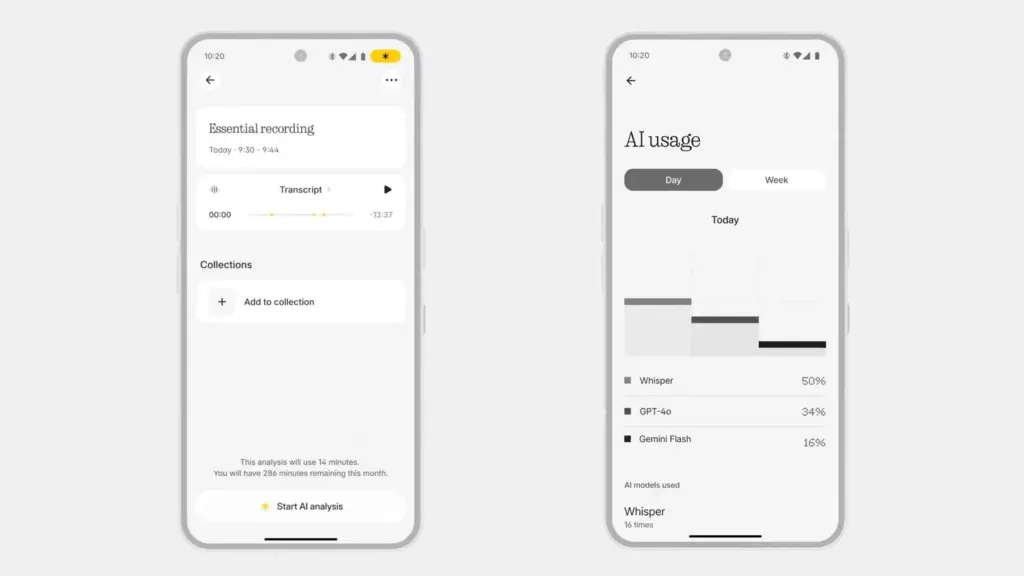
Lastly, a brand-new AI dashboard that analyzes your usage of Nothing’s AI capabilities has been introduced. In particular, it deconstructs the AI models that Nothing’s AI features—such as Whisper, GPT-4o, and Gemini Flash—use.
The release date for OS 4.0 is not specified, but it is stated that it will happen “soon.” According to Nothing’s existing support promises, the update will eventually reach Phone (2), Phone (2a), Phone (3a), and CMF phones, though it is likely to begin on Phone (3).
Nothing is a name that people eagerly anticipate when it comes to an operating system that may provide you with a clean Android experience! It was Carl Pei who founded the Nothing brand. The Nothing OS 4.0 is about to be released. Android 16 serves as its foundation. When the Nothing Phone (3) was released in July 2025, the Nothing 4.0 update was first shown off.
Like its predecessor, Nothing OS 4.0 will have a basic and clean design. New features and enhanced performance are to be expected. The release date and new features of Nothing 4.0 will be discussed in this post. You’ll also be aware that phones will receive the update.
Release date and rollout
The Nothing OS 4.0 update will be available from September 2025 to November 2025. This was disclosed by Carl Pei at the Nothing Phone 3’s debut. The precise date is still unknown. The Nothing OS 4.0 beta version will be released first. Early September 2025 is when this beta deployment will begin. The whole version should be available in a few weeks. The first phone to receive this will be the Nothing Phone 3.
Android 16 arrived sooner than expected. It appears that nothing is doing much to keep current.
Nothing 4.0 eligible devices
Nothing has stated that many of its phones will be able to run Nothing OS 4.0. However, this update will not be available for the Nothing Phone 1. This is due to the fact that three significant Android updates have already been applied to the original phone. Android 12 has been replaced with Android 15.
The following phones will receive Nothing OS 4.0:
Device
Update Information
Nothing Phone (3)
First phone to get the beta and full update of Nothing OS 4.0
Nothing Phone (3a) and (3a) Pro
Will get the update soon after Phone (3)
CMF Phone 2 Pro
Will get the update after the Phone (3a) phones
Nothing Phone (2a) and (2a) Plus
These will get update based on when they came out
Nothing Phone (2)
Will get Nothing OS 4.0 as the last big update. It will get security updates for a few more years
CMF Phone 1
Will get Nothing OS 4.0 as the last big update. Security updates will continue
Nothing OS 4.0 features
Not all of Nothing OS 4.0’s features have been shared by Nothing. However, we can get a good indication from various Android 16 leaks and news. The latest upgrade will combine the sleek appearance of Nothing with the new functionality of Android 16.
People are anticipating the following key features:
Better Notifications
Android 16 makes it easier to manage notifications. If you get many messages from the same app, they’ll be grouped. This way, your screen won’t get messy. You won’t get too many alerts all at once. Nothing OS 4.0 will likely use these features with dot-matrix-style animations.
Improved Built-In Apps
With Nothing OS 4.0, the main apps that come with the phone are getting upgrades! This includes the Gallery, Weather app, and Camera app.
The Nothing Gallery already opens 25 per cent faster than Google Photos. In OS 4.0, it might get even smarter with AI.
The Weather app could also get fun updates. You can see dot-matrix-style animations that show live weather.
Live Delivery & Ride Updates
With the Nothing OS 4.0 update, you’ll be able to see live updates. These updates like food delivery or ride status. You will see them right on your lock screen or notification panel. It means you don’t have to open the app every time to check the order status.
New Look with Material 3
Android 16 brings a new design called Material 3 Expressive. It has smoother animations and lets you change how things look on your screen. Nothing OS 4.0 is expected to use some of the animations. But it will still keep its simple black-and-white style.
Better AI Tools
Nothing has been testing AI features like Essential Space and Essential Search in older versions. In OS 4.0, they might bring in even smarter tools. There will be suggestions based on how you use your phone. We can also expect better app organisation. It may also work with Google’s Gemini AI to help you search easily.
Better Security With Android Protection
There will be a new system called Android Protection. It will keep your phone safe from bad apps, scam calls, and suspicious websites. Nothing OS 4.0 will likely include this too. This will be done with its own special privacy settings.
Glyph Matrix Upgrades
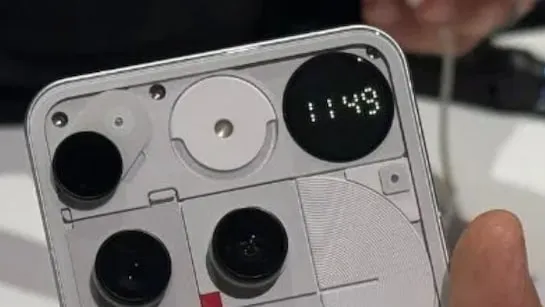
The Glyph Matrix is a special feature on the Nothing Phone (3). It’s an advanced version of the older Glyph Interface.
With Nothing OS 4.0, the Glyph Matrix is getting even better! There will be a new tool called the Glyph Matrix API. This will let developers create fun mini-games, useful widgets, and cool notifications.
The Glyph Matrix might work with Android 16 live alerts. You will see delivery progress or incoming calls with lights. You can see what’s happening without looking at your screen.
This new feature is only for the Nothing Phone (3). But older phones with Glyph lights might still get some small updates.
Feature
What’s New
Lock Screen & Home Screen
– New widgets – cool clock styles – more space to add stuff – more control over app icons
Quick Settings Panel
– Smaller, better-looking buttons – smarter brightness slider – nice colour effects when playing music
Interactive Dot Animation
– More apps and widgets will use dot-style animations
Private Space Integration
– Lets you hide, lock, and even clone apps
Cross-Device Integration
– Easier and faster connection to Nothing headphones – Better control of Tesla features from your phone
Ultimately, I can say that your phone will see some awesome upgrades with Nothing OS 4.0. It will be straightforward and uncomplicated, yet efficient and effective. It will be even more intelligent with AI features. The transparent design, dot matrix animations, and black and white icon pack will all be included in this version. Please share your thoughts about this update in the space provided for comments below.
We can never have enough battery life. The older generation still longs for the days when a single charge was sufficient to power your feature phone through a hectic week, even if the majority of smartphones from the last few years will easily last you a day or perhaps even two.
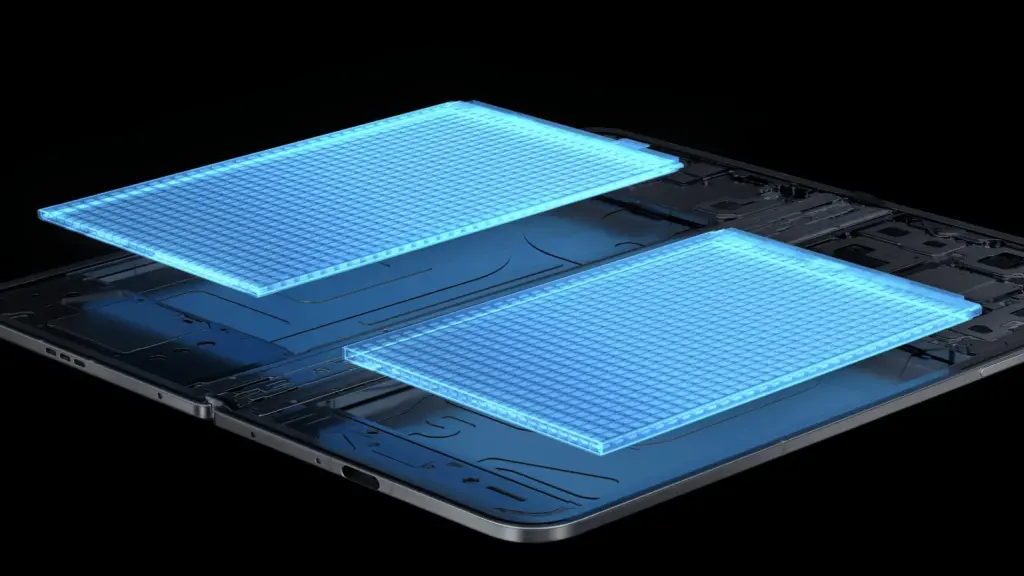
Many of the top flagship smartphones of today come with innovative silicon carbon batteries thanks to the efforts of battery engineers. Because of this, they may promise even greater battery capacities without having a larger or thicker chassis. What a huge victory.
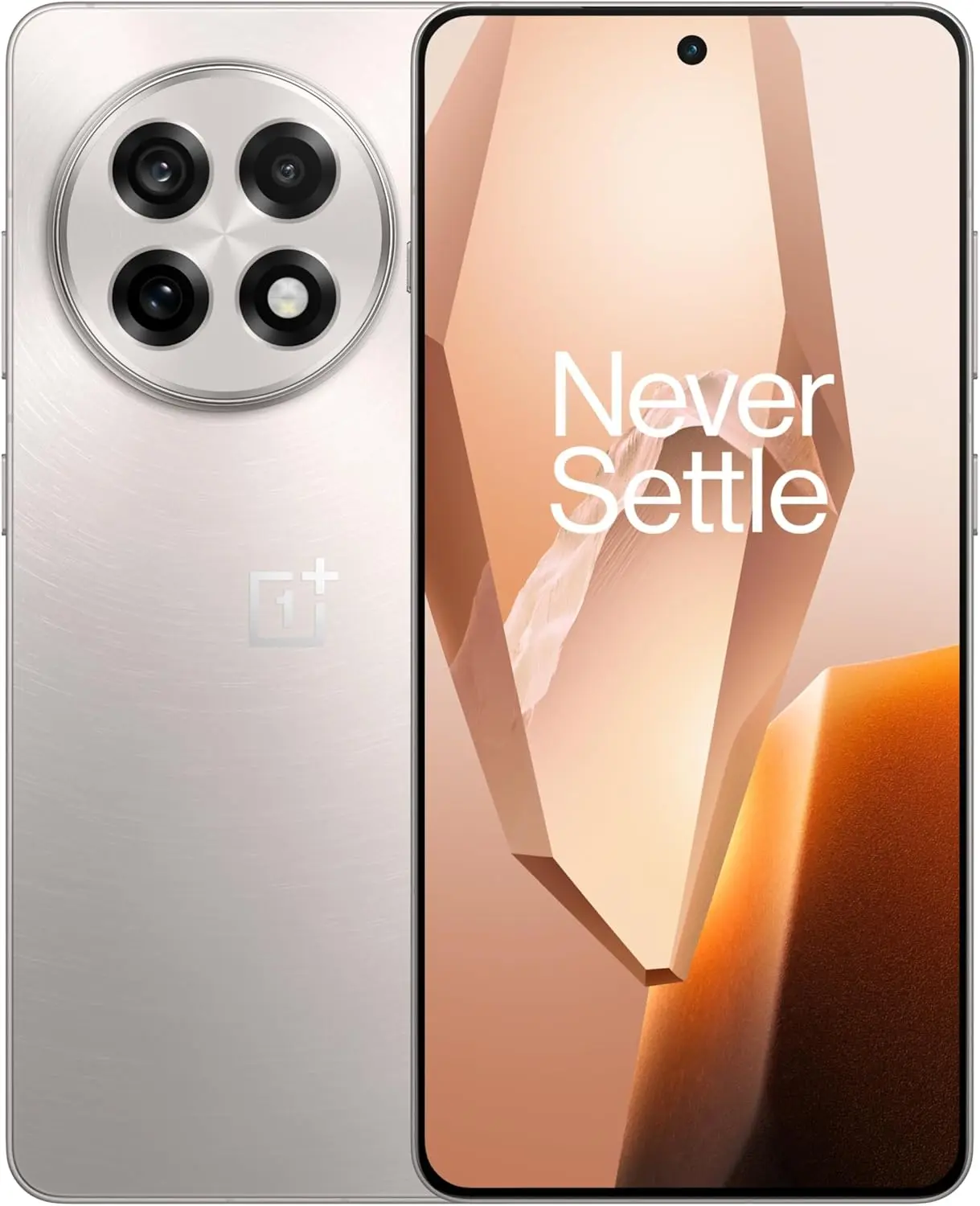
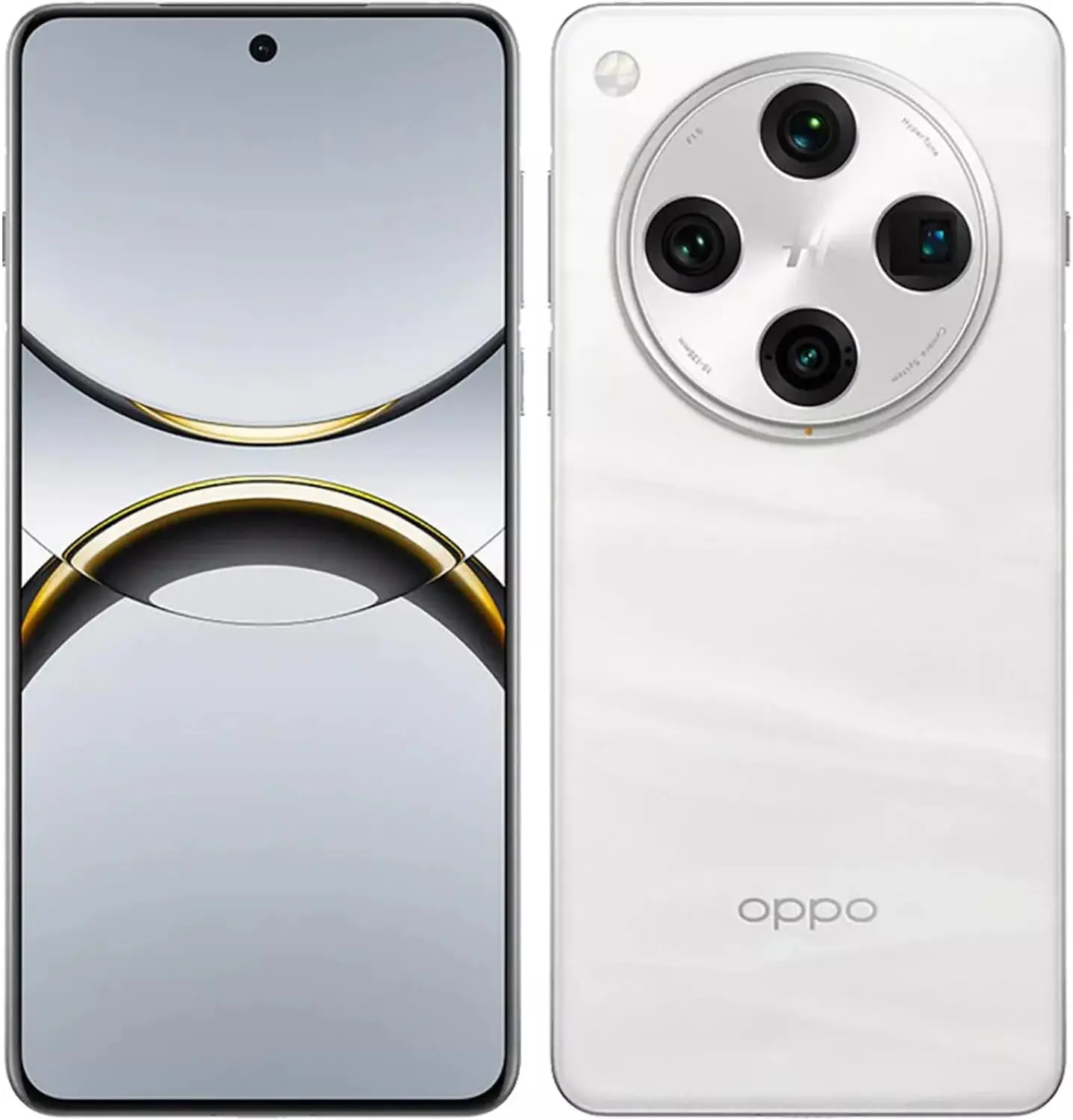
For instance, the OnePlus 13 has a 6,000mAh silicon-carbon battery, which is more than the 5,400mAh cell from the previous year. In China, the Xiaomi 15 Ultra has a massive 6,000mAh battery capacity, up from 5,400mAh the year before (and a still respectable 5,400mAh for worldwide markets, up from 5,000mAh). The smaller variants also enjoy comparable improvements. The vivo X200 series, OPPO Find X8, and Honor Magic 7 Pro are all brand-new flagship devices with silicon power cells. The technology has here in full force already.
Unfortunately, silicon-carbon battery technology hasn’t yet been included into the newest devices from Apple, Google, or Samsung. Maybe by 2026, we’ll see these brands go on board. However, is it better to remain with the more recognizable Lithium-ion models or to jump right in and purchase a phone with a silicon carbon battery?
What differentiates Li-ion batteries from silicon carbon batteries?
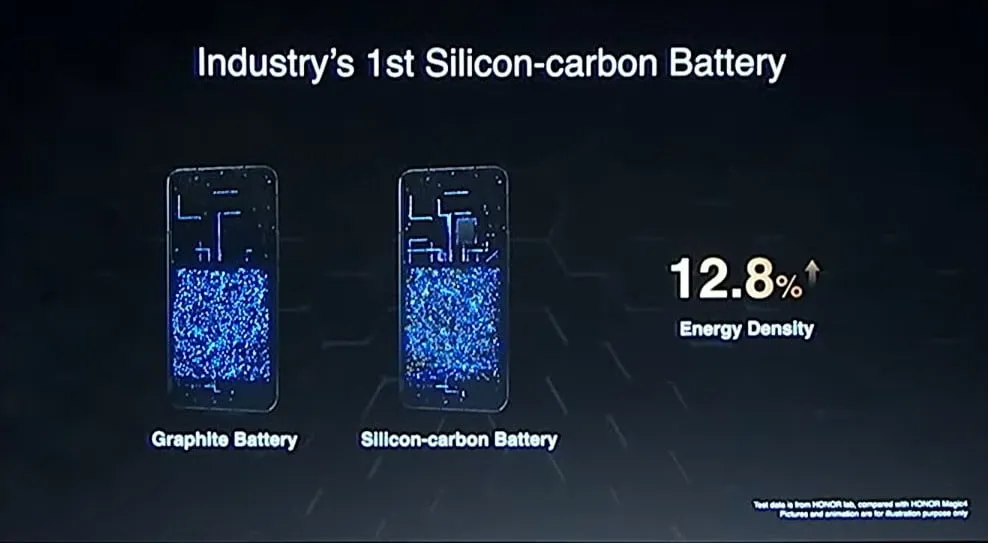
Rather of being a completely novel idea, today’s silicon-carbon (Si/C) Li-Ion batteries are essentially an advancement of conventional lithium-ion technology. By adding silicon, which has a substantially higher energy storage capacity than graphite (372 mAh/g compared to about 4200 mAh/g for pure silicon), they alter the traditional graphite anode. Because of this, silicon has long been a promising material for increasing battery capacity.
Pure silicon anodes, however, face many difficulties. Extreme expansion is the most troublesome; when fully charged, the structure can inflate by up to 300%. The battery experiences extreme mechanical stress as a result, shortening its lifespan and leading to structural breakdown.
Over time, lithium loss and decreased capacity result from silicon’s strong reaction with the electrolyte, which breaks and reforms the Solid Electrolyte Interphase (SEI) layer with each cycle. The aggressive expansion exacerbates this. Another drawback for battery longevity is that silicon has lesser electrical conductivity than graphite, which can reduce charge and discharge rates and increase losses from internal resistance. This can lead to increased heat.
To address these problems, a silicon-carbon (Si/C) composite is utilized rather than pure silicon. The SEI layer is stabilized and its expansion is lessened by the structural support that carbon offers. Depending on its silicon concentration, a well-designed Si/C battery may restrict swelling to just 10–20% during charge cycles, whereas conventional graphite anodes only increase by about 10%. Additionally, carbon increases electrical conductivity, which guarantees better lithium-ion flow and higher efficiency.
The trade-off is that Si/C anodes are unable to fully realize the 10x capacity improvement of pure silicon. Rather, depending on the silicon percentage, they provide a very modest energy density increase of 10–20%. Si/C batteries are an engineering problem since higher Si content enhances capacity but also causes swelling and complicates manufacture. There are restrictions and trade-offs associated with Si/C batteries, but there is no such thing as a free lunch.
The benefits and cons of batteries made on silicon carbon
Any increase in smartphone battery capacity is obviously beneficial, and Si/C batteries are a godsend for power users who want devices that can endure much longer than a single day of intensive usage. It should come as no surprise that so many of the most potent flagship phones available this year have the technology.
After more than a month of everyday use, I can vouch for the OPPO Find X8 Pro’s 5,910mAh Si/C Li-ion battery’s exceptional longevity. I frequently get two days of moderate use out of a single charge, have plenty of fuel left over after a day of chasing the kids, and in lighter weeks, I’ve occasionally gone far into 48 hours without needing a charger.
On the other hand, Si/C is advantageous for thinner gadgets, such lightweight and foldable phones. Thin or small smartphones could surely benefit from this new battery type to maintain decent capacities in more constrained form factors, even though the Galaxy S25 Edge might not be Samsung’s first Si/C smartphone. The technology has already been used to fit a sizable 5,700mAh battery into a 5.2mm folding design in the Vivo X Fold 3 Pro. Despite being 5.6 mm thick, Samsung’s Z Fold 6 only contains a standard 4,400mA battery. This trend toward higher capacities has also been embraced by the latest Chinese clamshell phones.
Whether silicon-carbon batteries will outlast their more conventional lithium equivalents is the main question that remains. It is evident from the foregoing trade-offs that Si/C will not outlast the most robust graphite-based Li-ion cells now available on the market. Lower silicon concentration can nonetheless provide batteries with a marginally larger capacity that have a comparable lifespan to conventional Li-ion cells. With only a slight but welcome increase in capacity to control the silicon content, this appears to be what we’re seeing in today’s most advanced smartphones.
Because Si/C batteries are pushing the limits of energy density and charge rates, smartphone manufacturers may also be becoming more cautious when it comes to fast-charging temperatures in an effort to prolong battery lifespans. In other words, manufacturers are merely attempting to make sure their phones can withstand the promised updates for the next five or more years.
However, because of its increased capacity, stronger diffusivity of lithium, and decreased chance of plating the anode, Si/C is actually a godsend for faster charging. Additionally, bigger capacities make it easier to follow the 80% charge guideline without worrying about running out of juice in the middle of the day. If you want to keep your phone for many years to come, silicon need not be a negative thing.
Do you want to purchase a phone that uses a silicon-carbon battery?
The newest smartphones will undoubtedly benefit from Si/C Li-ion batteries, which will also likely extend the battery life of your wearables, tablets, laptops, and even electric cars. The most cutting-edge phones of today already heavily rely on silicon cells, which allow for even greater capacities or slimmer form factors without sacrificing battery life.
But at the moment, you’ll need to look around at Chinese companies to find one, like the OnePlus 13, which is really amazing. Apple, Google, and Samsung, three US giants, have not yet embraced this new battery technology. We may have to wait until their 2026 flagships or even later before they join the celebration, as they might not even get around to it this year.
However, if you intend to retain your smartphone for more than five years, it might be wise to wait and see how the longevity issue develops. Any long-term purchase will eventually require battery replacements, but Si/C Li-ion cells may require more frequent replacements, particularly when fast charging is used. This can turn out to be an unwanted extra expense for early adopters because they are more costly to make. We will need to wait and find out.
Similarly, if you’re on a tighter budget, it might not be worth it to buy a phone just because it contains a Si/C Li-ion battery. The technology is mostly limited to premium smartphones and innovative form factors due to its trickier production process, and it may take a few years before it makes its way into the mid-range market. Although silicon carbon batteries provide advantages, a 12% increase in capacity is not always worth the extra $100.
Stay connected with the latest from Droid Tools—follow us on X @droid_tools, like our page on Facebook, check out our updates on Instagram, and follow us on Google News for real-time news, device tips, and mobile tech insights.