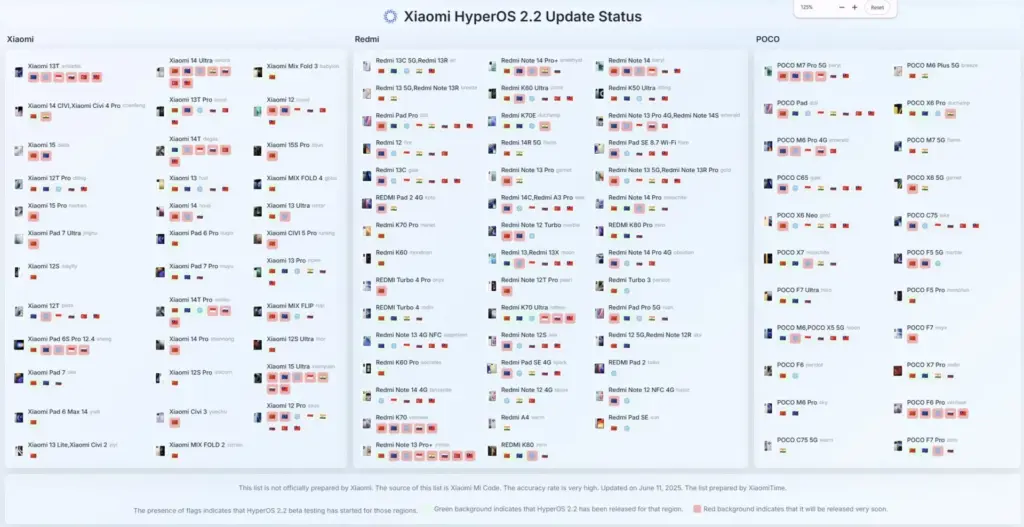
With the HyperOS 2.2 update, Xiaomi is advancing rapidly and aims to reach a sizable portion of its user base in this third deployment wave. This is a noteworthy release for enterprises and power users who depend on Xiaomi hardware, especially since it includes important models from the Xiaomi 12 series, the Redmi Note 13 lineup, and a wide range of flagship and mid-tier models. The update is a significant system upgrade that should lead to increased operating stability and productivity.
A select group of devices will be prioritized for the initial rollout. These include:
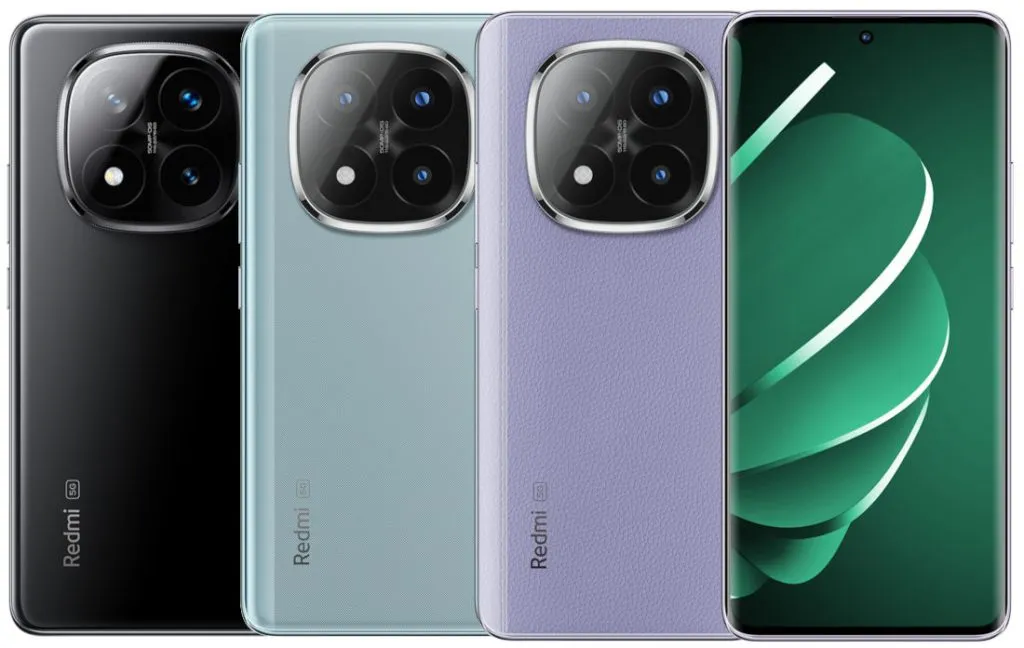
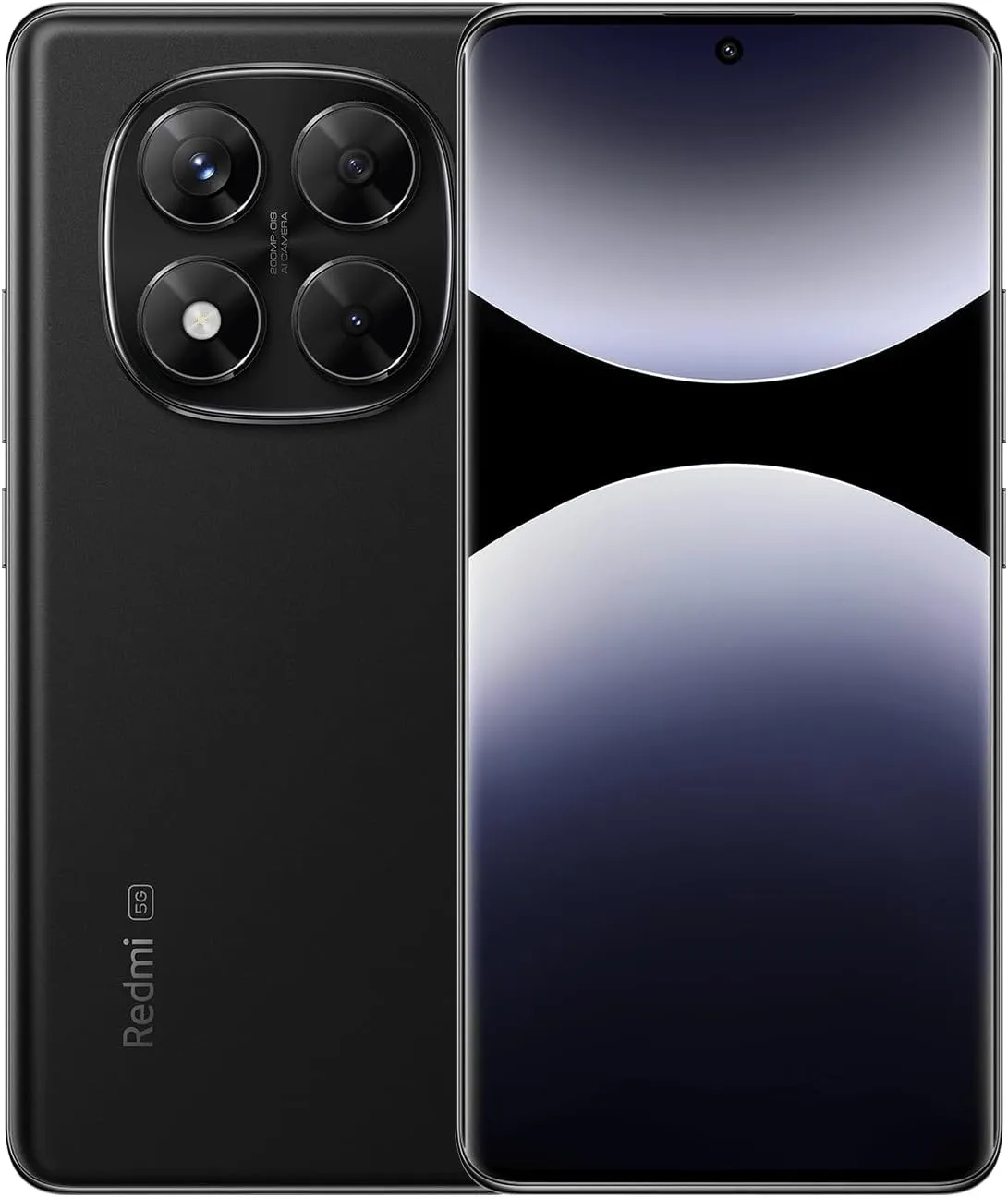
According to Xiaomi, the Redmi Note 13 5G series would be prioritized when the third batch deployments start in late June. The firm places a strong emphasis on providing reliable, well-tested upgrades that promote end-user satisfaction and business continuity.
Silicon-carbon battery technology, which offers greater energy density, quicker charging times, and enhanced durability, is being quickly adopted by the smartphone industry. Silicon-carbon batteries, as opposed to conventional lithium-ion batteries, enable bigger capacities in smaller designs, guaranteeing longer battery life without adding bulk or weight to the phone.
This cutting-edge battery technology, which was introduced in a number of premium smartphones in late 2024 and early 2025, significantly improves charge cycles, heat management, and power efficiency. The top ten most recent smartphones using silicon-carbon batteries are examined in detail, along with the features that set them apart.
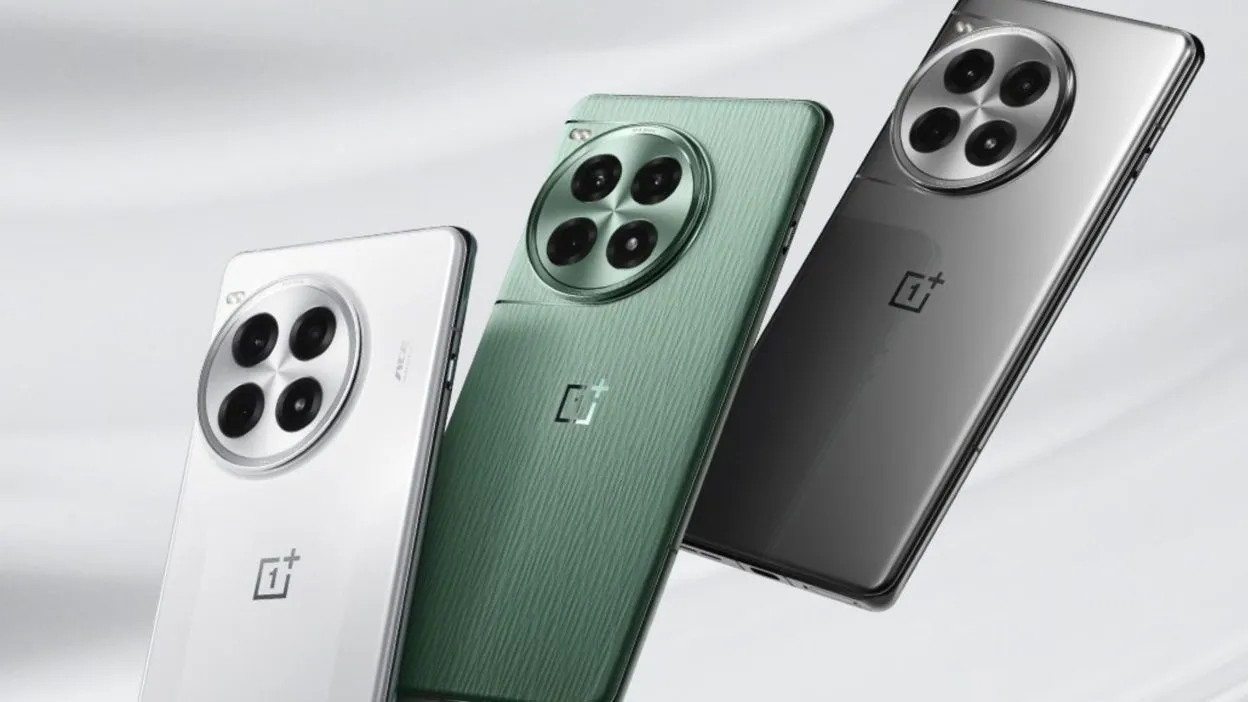
OnePlus 13
The OnePlus 13 boasts a 6000mAh dual-cell silicon-carbon battery with the highest dual-cell design energy density at 805Wh/L. This gives the phone more endurance while maintaining a small form factor. It supports 50W wireless flash charging, magnetic charging, and 100W SuperVOOC wired charging, which charges the phone from 0% to 100% in just 36 minutes.
In addition to the battery, the OnePlus 13 has a 6.82-inch BOE X2 2K+ AMOLED screen with DisplayMate A++ certification and a maximum brightness of 4500 nits. The Snapdragon 8 Elite SoC, up to 24GB LPDDR5X RAM, and 1TB UFS 4.0 storage power it. The phone still has a 50MP Sony LYT-808 primary camera, a 50MP ultra-wide camera, and a 50MP 3X periscope telephoto lens. Additionally rated IP68 and IP69, it has a high level of water and dust resistance.
OnePlus 13
OnePlus 13 has a 6.82-inch BOE X2 2K+ AMOLED screen with DisplayMate A++ certification
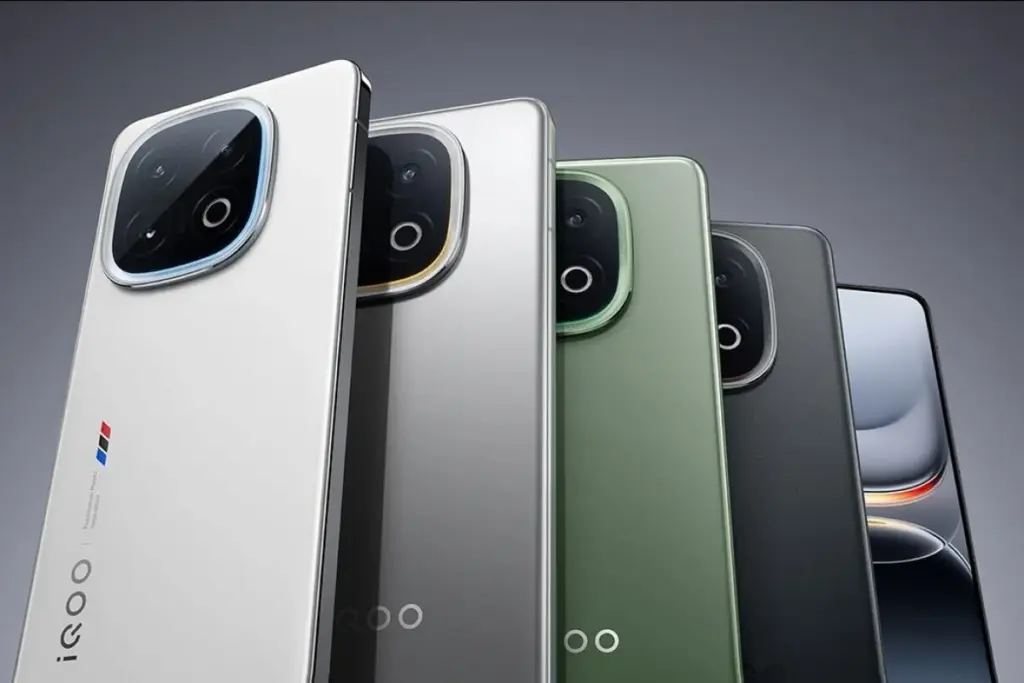
The third-generation silicon-carbon 6150mAh battery that powers the iQOO 13 can be charged with 120W wired fast charging in as little as 30 minutes. Its 44W UFCS and 100W PPS charging ensure a flexible and effective power management system, even though wireless charging is not an option. Additionally, a 360° surround antenna system is integrated within the phone to maximize network performance for mobile gaming.
The gadget has a 6.82-inch BOE Q10 2K+ AMOLED screen with a refresh rate of 144 Hz and a maximum brightness of 4500 nits. It has a Snapdragon 8 Elite SoC, 1TB UFS 4.0 storage, and up to 16GB LPDDR5X RAM. It features a 50MP Sony IMX921 primary sensor, a 50MP ultra-wide camera, and a 50MP 2x telephoto lens on the front of the camera.
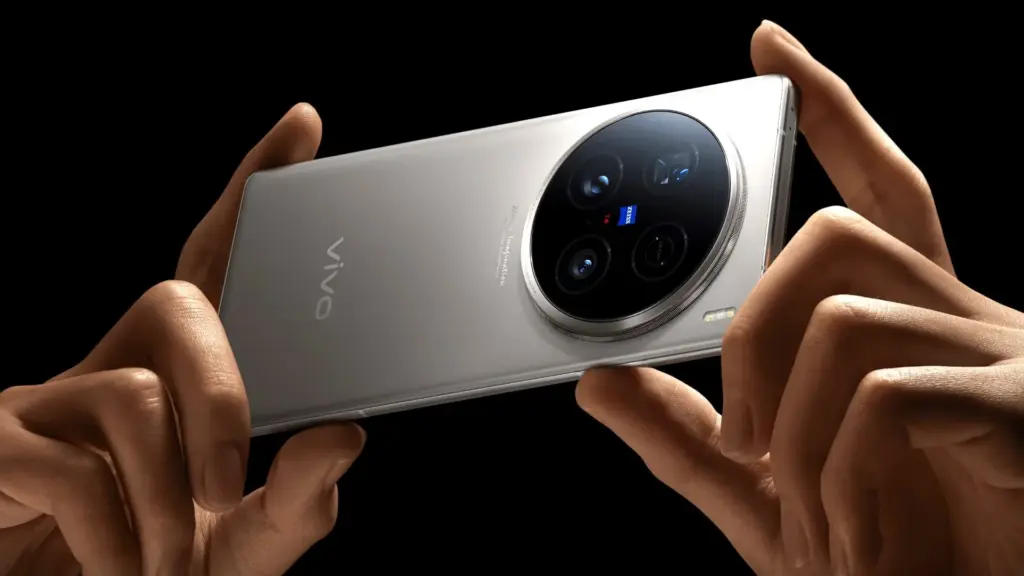
Vivo X200 & X200 Pro
The Vivo X200 Pro has a 6000mAh battery that supports both 30W wireless and 90W wired charging, while the Vivo X200 has a 5800mAh silicon-carbon battery with 90W wired fast charging.
MediaTek’s Dimensity 9400 SoC powers both phones, which have up to 1TB of UFS 4.0 storage and up to 16GB LPDDR5X RAM. A 200MP Samsung HP9 periscope telephoto camera with Zeiss APO certification that offers 3.7x optical zoom and OIS is also included with the X200 Pro. The series is extremely durable due to its IP69+IP68 dust and water resistant ratings.
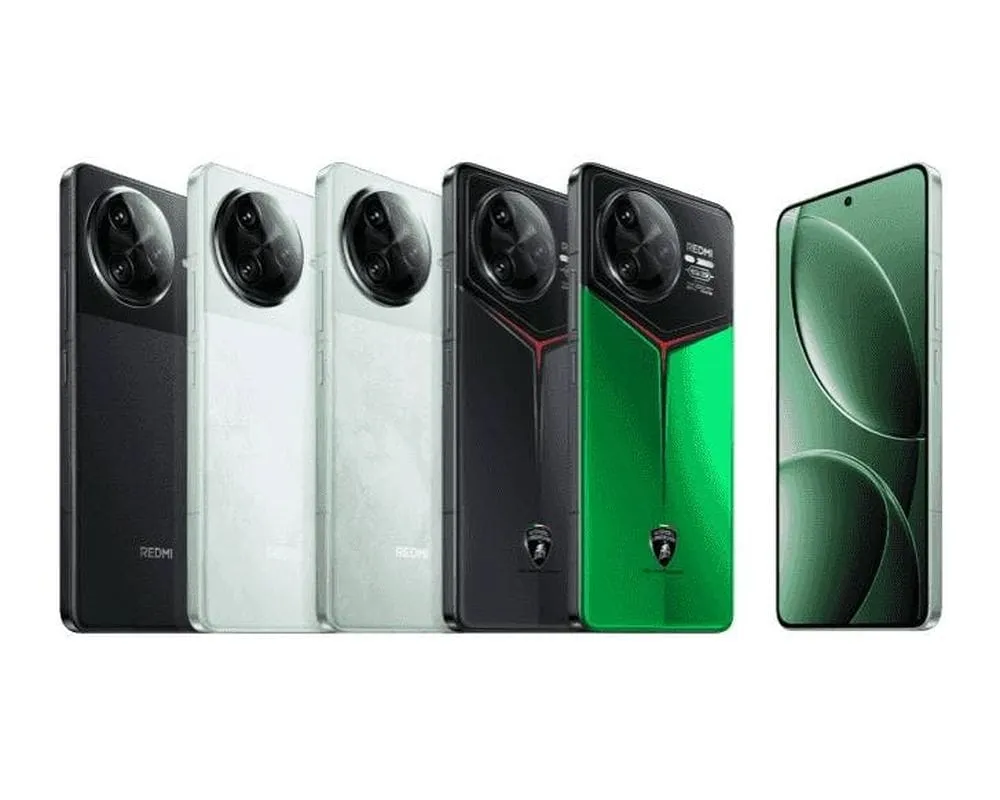
Redmi K80 & K80 Pro
While the basic Redmi K80 has a 6550mAh battery with 90W fast charging but no wireless support, the Redmi K80 Pro has a 6000mAh silicon-carbon battery that supports 120W fast charging and 50W wireless charging. According to Xiaomi, the new silicon-carbon compound lowers heat generation during high-performance jobs and lengthens battery life.
The Snapdragon 8 Elite SoC powers the K80 Pro, while the Snapdragon 8 Gen 3 powers the K80. Both devices come with up to 16GB LPDDR5X RAM and 1TB UFS 4.0 storage. While the ordinary K80 replaces the telephoto lens with an 8MP ultra-wide camera, the Pro edition has a 50MP Light Fusion 800 primary sensor with OIS, a 50MP 2.5x telephoto camera, and a 32MP ultra-wide camera. Both phones are rated for water and dust resistance with IP68 and IP69.
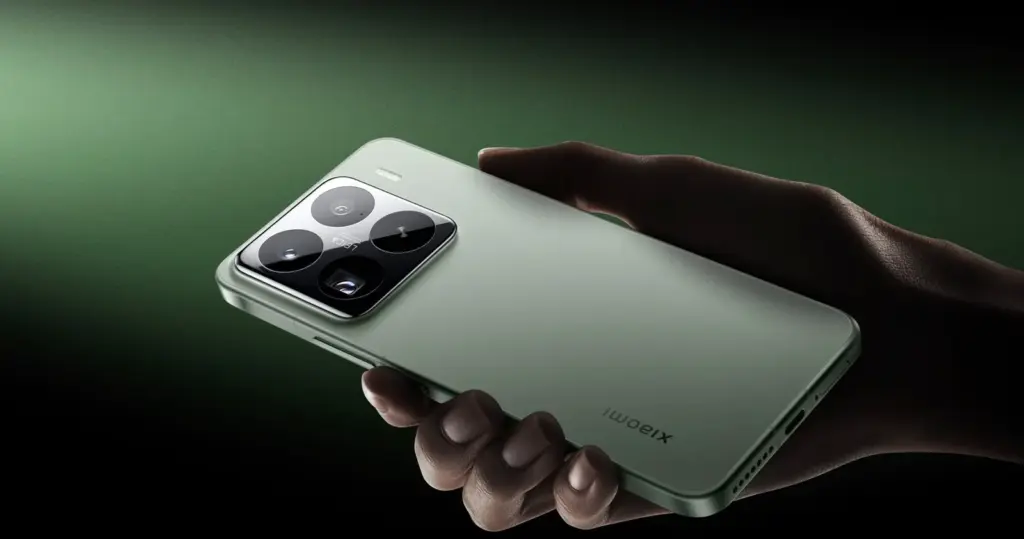
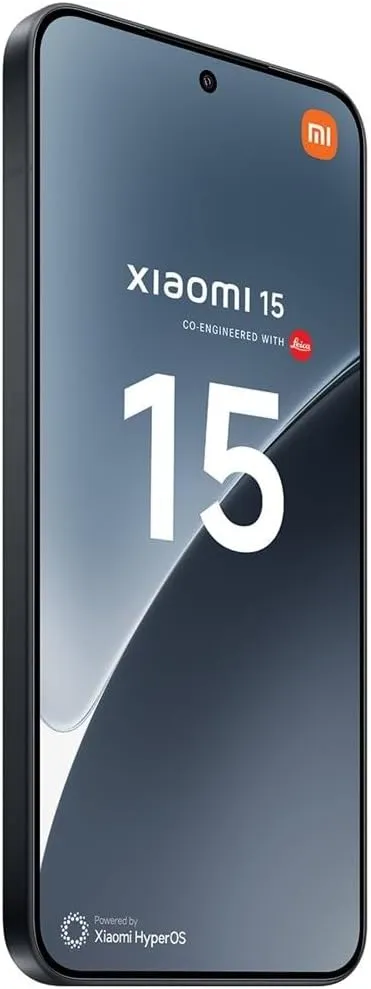
Xiaomi 15 & 15 Pro
In contrast to the Xiaomi 15 Pro, which has a 6100mAh capacity and supports 90W wired and 50W wireless charging, the Xiaomi 15 is powered by a 5400mAh silicon-carbon battery. An ultra-high energy density of 850Wh/L is another feature of the Pro model’s battery that guarantees a longer lifespan and greater efficiency.
The Snapdragon 8 Elite SoC, up to 16GB LPDDR5X RAM, and up to 1TB UFS 4.0 storage are features of both devices. The Xiaomi 15 Pro has a 5X periscope telephoto lens, while the Xiaomi 15 has a 50MP Light Fusion 900 primary sensor, a 50MP ultra-wide lens, and a 50MP 2.6X telephoto camera. Both variants have IP68 water resistance and ultrasonic fingerprint scanners.
With its 6500mAh silicon-carbon battery and 120W rapid charging, the Realme GT 7 Pro can reach 50% charge in just 14 minutes. With the maximum 10% silicon content in the industry, it can prolong battery life for up to four years. It only has a 5800mAh battery in India, though.
The smartphone has a 6.78-inch 1.5K OLED display with a maximum brightness of 6000 nits and is powered by the Snapdragon 8 Elite SoC. It has a 50MP 3x periscope telephoto camera, an 8MP ultra-wide lens, and a 50MP primary camera.
Redmi Note 14 Pro+
With a 6200mAh silicon-carbon battery that has an energy density of 814Wh/L and 6% silicon content, the Redmi Note 14 Pro+ has a small form factor and a long lifespan. It has Surge G1 and Surge P2 battery management chips for increased power efficiency and enables 90W wired rapid charging.
The phone has 512GB of storage, up to 12GB of RAM, and a Snapdragon 7s Gen 3 processor. It has a 50MP primary camera, an 8MP ultra-wide sensor, a 50MP 2.5X telephoto lens, and a 6.67-inch 1.5K OLED screen. For increased durability, the device also has IP66, IP68, and IP69 classifications.
Xiaomi Redmi Note 14 Pro
6.67″ CrystalRes AMOLED displayResolution: 2712 x 1220 (1.5K resolution)Refresh rate: Up to 120HzTouch sampling rate: Up to 480HzBrightness: 3000nits peak brightness
With its 5300mAh silicon-carbon battery, the Honor 300 can facilitate 100W fast charging, reaching 59% in 15 minutes and 100% in 35 minutes. In addition to having 5300mAh silicon-carbon batteries, the Honor 300 Pro and Ultra models also have 80W wireless charging, which guarantees quick and effective power supply. Longer battery life and better power retention are made possible by the high-density silicon-carbon combination.
Snapdragon 7 Gen 3 (Standard) and Snapdragon 8 Gen 3 (Pro and Ultra) power the Honor 300 series. For eye protection, the gadgets include 6.7-inch and 6.78-inch OLED screens with a maximum brightness of 4000 nits and 3840Hz PWM dimming. A 50MP front camera, a 12MP ultra-wide lens, and a 50MP primary sensor make up the camera configuration. The Pro and Ultra variants also come with a 50MP 3x or 3.8X periscope telephoto lens. Additionally, they are IP65 dust and splash resistant.
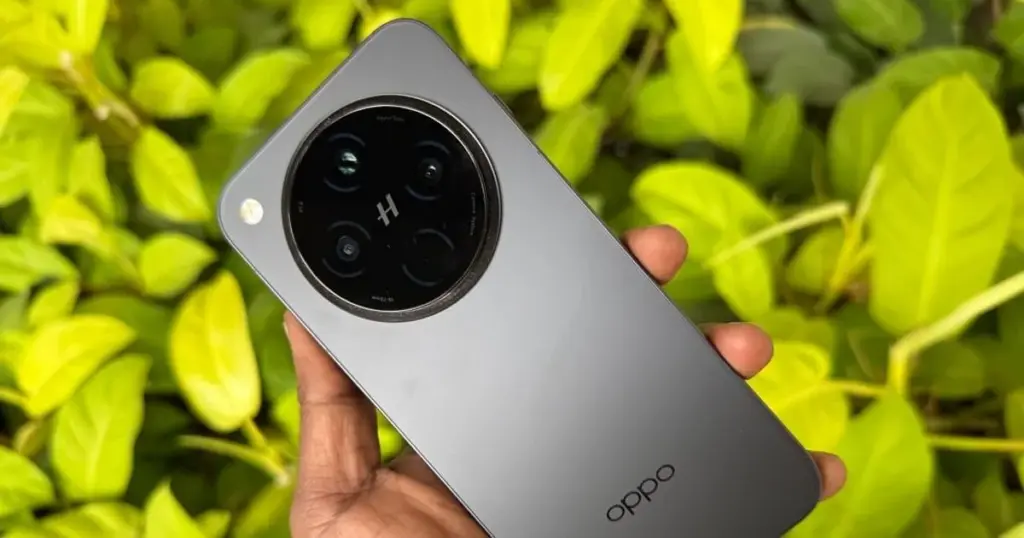
Oppo Find X8 & X8 Pro
A 5630mAh silicon-carbon battery powers the Oppo Find X8, while a larger 5910mAh silicon-carbon battery powers the Find X8 Pro. Both devices enable 80W SuperVOOC wired charging, 50W wireless charging, and 10W reverse wireless charging. The ultra-high silicon content of the Find X8 Pro’s battery ensures longer endurance and improved heat management during rapid charging.
The MediaTek Dimensity 9400 SoC powers both devices, together with up to 16GB of LPDDR5X RAM and 1TB of UFS 4.0 storage. The Find X8 Pro has a 6.78-inch LTPO AMOLED screen with Dolby Vision support and a peak brightness of 4500 nits, while the Find X8 has a 6.59-inch AMOLED display. The X8 Pro adds a 50MP 6x periscope zoom lens to the camera system, which consists of a 50MP main sensor, a 50MP ultra-wide camera, and a 50MP 3x periscope telephoto lens. Both variants have water and dust resistance ratings of IP68 + IP69.
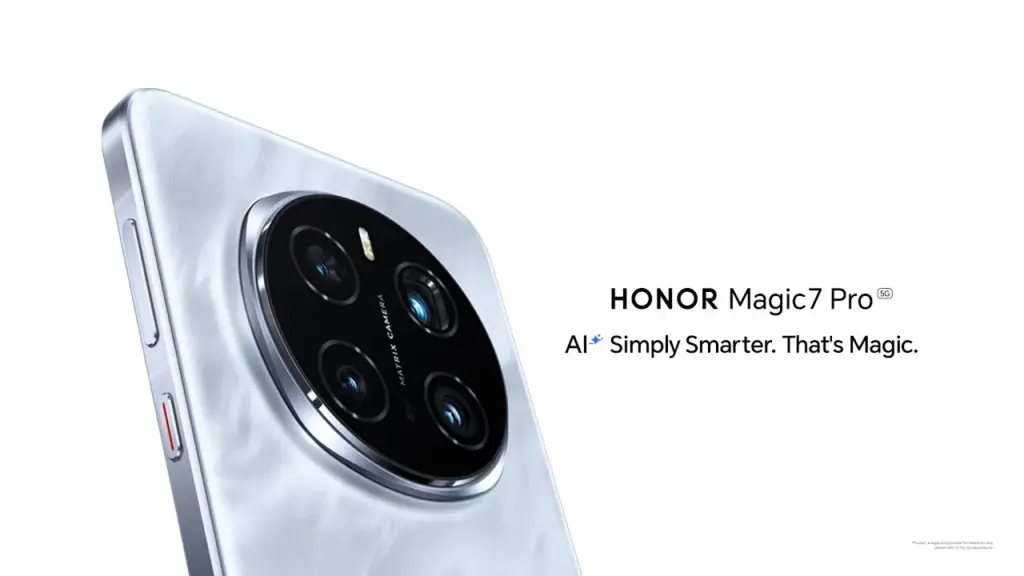
Honor Magic 7 & Magic 7 Pro
A 5650mAh silicon-carbon battery powers the Honor Magic 7, and a 5850mAh silicon-carbon battery powers the Magic 7 Pro. Both devices support 80W wireless charging and 100W cable fast charging. Longer runtimes are made possible by the improved energy density provided by silicon-carbon technology, which also preserves elegant designs. Advanced cooling technologies, including as graphite sheets and stainless steel VC cooling, complement the increased battery efficiency and guarantee peak performance even under demanding conditions.
The Snapdragon 8 Elite SoC powers both phones, together with up to 16GB of LPDDR5X RAM and 1TB of UFS 4.0 storage. The Magic 7 Pro sets itself apart with a 50MP primary sensor, an ultra-wide lens, and a 200MP periscope telephoto camera with 3x optical and 100x digital zoom. Although it lacks the sophisticated telephoto capabilities, the Magic 7 has a comparable camera arrangement. With its 1-120Hz LTPO OLED screens, IP68 and IP69 ratings, and Magic UI 9.0, the Honor Magic 7 Series combines state-of-the-art technology with exceptional endurance, securing its place as a flagship challenger in 2025.
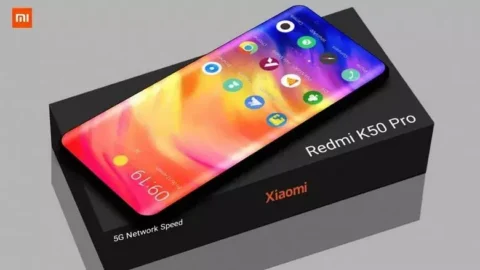
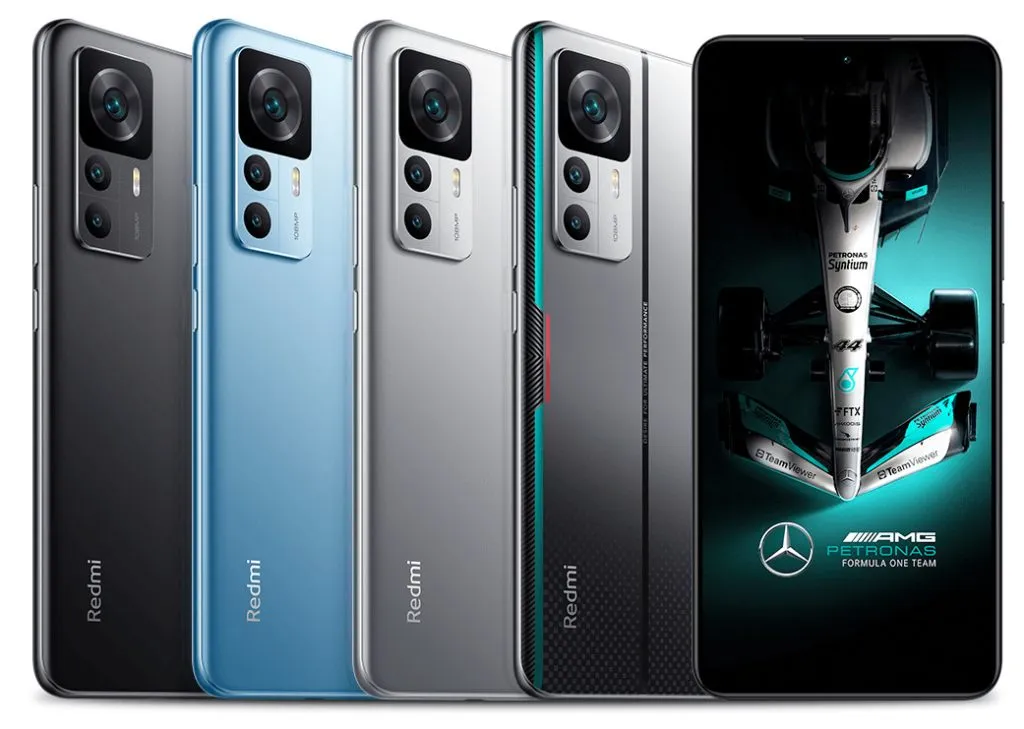
Xiaomi is planning to release the Redmi K50 series in China in February. According to the newest information, Xiaomi will release the Snapdragon 8 Gen 1-powered Redmi K50 first, followed by the Dimensity 9000-powered variant. These new advances coincide with the Chinese New Year, which is celebrated according to the Lunar calendar, and most Chinese firms have planned releases and activities to commemorate the auspicious occasion. Xiaomi, predictably, will be present at these events, where the much-anticipated Redmi K50 series will be unveiled. The Redmi K50 series will have four variants with AMOLED high-refresh display panels, new-generation processors, multi-camera configurations, and rapid charging capabilities.
Snapdragon 8 Gen to launch first
Xiaomi has planned to introduce the Redmi K50 devices with Qualcomm’s Snapdragon 8 Gen 1 CPU, according to Xiaomi executive Lu Weibing. The Redmi K50 models with the Dimensity 9000 processor will be released later. However, the real cause behind the launch’s spread is unknown. The Redmi K50 lineup is likely to include many variants and is expected to come with a variety of processing units, including the Snapdragon 8 Gen 1, the Dimensity 9000, the Dimensity 8000, the Dimensity 7000, and the Snapdragon 870.
Redmi K50 series specifications
ReRedmi K50, K50 Pro, K50 Pro+, and K50 Gaming Edition are expected to be included in the Redmi K50 series. The Snapdragon 8 Gen 1 SoC is believed to be used in the Redmi K50 Pro+, while the MediaTek Dimensity 9000 SoC or Qualcomm’s Snapdragon 870 SoC could be used in the Redmi K50 Pro. The Dimensity 9000 SoC could be included in the Redmi K50 Gaming Edition. Finally, either the Dimensity 8000 or the Dimensity 7000 are expected to power the vanilla Redmi K50.
The Redmi K50 series is expected to come with MIUI 13 based on Android 12 (expected). Lower-end models will get a 50W/67W fast charging support while the higher and more expensive models will benefit from a 120W fast charging support. The device is expected to get a 108MP main camera sensor accompanied by other sensors. The Redmi K50 Pro can be launched as a rebadged POCO.
Samsung’s deployment of One UI 4, which is based on Android 12, has been lightning fast. This year, the firm made a first by launching beta programs for all of its major flagship smartphone lines, including the Galaxy S, Galaxy Note, Galaxy Z Flip, and Galaxy Z Fold. It then went on to release the stable update for devices like the Galaxy S21, Galaxy Z Flip3, and Galaxy Z Fold3 (although with some issues), and now the S20 and Note20 series are following suit.
In less than 48 hours, Samsung overcame a snag that stalled the One UI 4 deployment for its 2021 flagships, released a stable upgrade for the Galaxy Z Fold2, and began rolling out Android 12 to the S20 and Note20 (per SamMobile). In comparison, OnePlus has only recently stabilized Android 12 on its 9 series flagships, while Motorola and Sony have yet to release even a single upgrade – Samsung is clearly gaining ground. However, we hope that the firm conducts its due research to ensure that these updates work as planned and are not hampered by compatibility concerns, as we witnessed with the launching of the S21.
As we speak, Samsung’s stable One UI 4 software is coming out to the Galaxy S20, S20 Plus, S20 Ultra, Note20, Note20 Ultra, and even the S20 FE, so there’s a good possibility you’ll be ditching Android 11 by 2022. Users in Switzerland have already reported receiving Android 12 over the air, but owners of the S20 and Note20 in other regions of the world could anticipate the software to arrive in the next few days (unless Samsung has reason to halt the release). To see if the update is available for your phone, go to Settings > Software update > Download and install.
The Redmi Note 10 Pro is back on top of our trending chart at the conclusion of week 25, but the second-placed phone is sure to raise a few eyebrows.
The newly released Tecno Phantom X has reached levels of popularity that the company has never seen before, indicating that it could be a big winner. The Redmi Note 10 is still in third place, ahead of the Poco X3 Pro, while the Mi 11 Lite has climbed four spots to fifth place.
The Redmi Note 10 Pro is the first of the next generation of inexpensive mid-rangers, and it includes one of the most popular features among fans: a 120Hz OLED display. It has a superior HRR OLED screen but is powered by the less powerful Snapdragon 732G CPU rather than the more expensive Snapdragon 750G 5G. The rest of the phone is almost unchanged from its predecessors: camera, speakers, battery, and rapid charging.
2. Tecno Phantom X
To be reviewed.
3. Xiaomi Redmi Note 10
The Super AMOLED screen with high peak brightness, the decent camera system, the large, fast-charging battery, and the dual loudspeakers are the key attractions of the non-5G version of the Redmi Note 10. The Redmi Note 10 5G, on the other hand, makes do with an IPS display and foregoes quick charging and stereo speakers.
4. Xiaomi Poco X3 Pro
The Poco X3 Pro is based on the Poco X3 NFC, and they both have the same design. The Pro version, on the other hand, has far superior hardware: it’s the first phone to operate on the Snapdragon 860 SoC, which is a repackaged version of Qualcomm’s once-flagship Snapdragon 855+ CPU.
5. Xiaomi Mi 11 Lite
The Mi 11 Lite, like the Mi 11 Lite 5G, is based on the Mi 11 flagship and emphasizes similar features such as an HRR OLED screen, good camera quality, extended battery life, quick charging, and a smooth UI experience.
6. Samsung Galaxy S21 Ultra 5G
It has a big 1440p screen with 120Hz native support, which is adaptive. It also includes two dedicated telephoto cameras, one with a 3x optical zoom and the other with a 10x optical zoom. It does include focusing on its ultrawide camera, which is useful for macro photographs. The new Ultra also includes compatibility for ultrawide-band and, surprise, surprise, S-Pen.
7. Samsung Galaxy A52
The Galaxy A32, as well as the recently released Galaxy A72 and A52 duo, all provide excellent value, they are able to carry put complex tasks such asSMS backup. This year, though, it’s the plain Galaxy A52 model that shines the brightest and goes above and above.
8. Poco F3
Starting with its stunning glass shell with a robust plastic frame, the Poco F3 is jam-packed with top-notch features. The F3 features a 6.67-inch AMOLED screen with 120Hz refresh, one of today’s fastest platforms – the Snapdragon 870 5G chip, loud stereo speakers with Dolby Atmos, a configurable triple-camera configuration, and a huge battery with quick charging.
9. OnePlus Nord CE 5G
The OnePlus Nord CE 5G is the next mid-range killer, at least according to OnePlus’ marketing. And it’s probably quite close to the truth. The Nord CE isn’t a replacement for the original Nord, but rather a toned-down version of it, hence the CE moniker. The phone retains elements of the original Nord’s fundamental specifications, notably the design.
10. Samsung Galaxy A32
For starters, the displays are completely different between the variants, and the 4G’s is far superior – a 90Hz 1080p AMOLED vs. the 5G’s 60Hz 720p LCD. With high-resolution main and selfie cameras, the LTE variant also takes a couple of points in the camera category. The A32 5G counters with a chipset that is capable of 5G but also more powerful because to its latest cores.
Samsung offers 2 years of software support for their smartphones, which includes two big Android OS updates. The Samsung Galaxy S8, S8 Plus, and Note 8 have been on the market for well over two years and will never see Android 10. The same is true for the Galaxy S9 and Note 9 series, which have received the latest Android 10 update. Although the devices will continue to receive security patch updates for another year, this is unjust to the most successful Samsung flagship to date. So, here are some of the best custom ROMs based on Android 10 for the Samsung Galaxy S8, S8+, and Note 8.
We’ve compiled a list of the most recent and reliable custom ROMs for the Galaxy S8 and Note 8 series right now. Lineage OS 17.1 and other common ROMs such as Havoc OS, Pixel Experience, and Corvus OS 10 have just been made official with Android 10. However, because of the design of Samsung Galaxy phones, official support for custom ROMs is difficult to come by. As a result, some custom ROMs based on Android 10 for the Samsung Galaxy S8, S8+, and Note 8 are still unofficial beta ports.
Furthermore, the majority of custom ROMs are only for Exynos models. This is due to the fact that the Snapdragon Galaxy S8, S8+, and Note 8 variants’ bootloaders cannot be unlocked. So you cant install TWRP recovery, and hence, can’t flash a custom ROM.
1. Havoc OS
Havoc OS is currently one of the most stable Android 10 custom ROMs for Samsung Galaxy smartphones. In comparison to the other choices, users of the Galaxy S8 and Note 8 series strongly suggest the Havoc OS custom ROM. Most notably, it has recently been updated to Havoc OS 3.7, which means that it is based on Android 10 and incorporates some Android 11 features such as Material design 2.0, Dark Theme Support for AOSP apps, Android R Style screen record dialog, Rounded UI, Face Unlock support, built-in Gapps, Font Customisation, Pixel Lockscreen weather, and many more.
Moreover, it also supports Face Unlock, HD/VoLTE toggle, 4G/LTE Icon toggle, 90 Hz refresh rate toggle, Themes styles and wallpapers support from the Pixel 4, and much more. Checkout the images from below and also see the complete screenshot repository from below.
When it comes to having stock Google experience on your Android phone, Pixel Experience is everyone’s choice. It includes all of the Pixel 4’s functionality, the most recent Google UI, the most recent Google Assistant app, Digital Wellbeing, and support for the most recent Google products and services. As a result, you can receive the most recent Pixel Launcher, themes and style apps, wallpapers app, ringtones, icons, and everything else that is currently available on the Google Pixel 4 (XL) with Android 10.
Wifi, RIL, Mobile data, GPS, Camera, Flashlight, Camcorder, Bluetooth, Fingerprint reader, NFC, Lights, Sound / vibration all work with Pixel Experience. However, some features, such as Volte, cast, and, according to some sources, even the face unlock feature, may not work.
Pixel Experience Plus is an AOSP based ROM, included with Google apps and all the Google Pixel goodies like launcher, wallpapers, icons, fonts, bootanimation.
Download Pixel Experience for Galaxy S8, S8+, and Note 8
Corvus OS is getting very popular lately among custom ROM flashers. The developers have also been very active in the development and supporting a large number of Android devices. Many have recommended Corvus OS over the past months as it is quite stable for its initial release. Covrus OS also brings Android 10 to the plate for Galaxy S8 series and Note 8.
Corvus OS is inspired by Dirty Unicorn ROM and has many of its features. The ROM is full of customization options and has a dedicated section for each section including Themes, Notifications, Display, Lock Screen, and more. Stability is great with this one. It also gives stock AOSP experience making it light weight and fast. The ROM also includes some Google features like latest Pixel Launcher, Accent picker, Theme backup, Theme styles, wallpapers app, ringtones, icons, and more.
Lineage OS is one of the most popular custom ROMS out there. It supports a wide range of Android devices. Right from the obsolete phones from years ago to the most recent flagships. Lineage OS 17.1 is based on Android 10 and now supports Samsung Galaxy S8, S8+, and Note 8 unofficially.
Download Lineage OS 17.1 for Galaxy S8, S8+, and Note 8
Lineage OS 17.1 for Galaxy S8 dreamlte (s8) (mega link)
Even if you’re new to Android phones, chances are you’ve learned about the customization power of Android, and that also applies to the Samsung Galaxy Note 20 series. The operating system of your brand new Galaxy Note 20 or Note 20 Ultra is able to adjust beyond what is available in the standard Settings app, and it all begins with the secret “Developer options” menu.
Unlocking ‘Developer options‘ is one of the first items for power users to check off when setting up a new Android phone. The secret menu, hidden by default, unlocks resources usually reserved for developers, such as eliminating bloatware programs, speeding up animations, and using ADB commands. Any user may benefit from these, and it is possible to toggle most of the customizations using simple switches.
If rooting is accessible on the Galaxy Note 20 or Note 20 Ultra Snapdragon version, it would be step one to enable “Developer options” to do so.
There is, however, an explanation why the menu is hidden by default. Making menu changes can make your system buggy and may cause other problems. Make them one at a time while making improvements, to easily help locate the culprit if problems occur.
To un-hide “Developer options,” open the Settings app. Then, go to the “Software information” section in “About phone.” Finally, find “Build number” and tap it seven times in rapid succession. When done correctly, a toast message will appear between taps letting you know how much closer you are to becoming “a developer.”
On the seventh tap, you’ll be prompted for your lock screen PIN, gesture, or password, if you have one set. Provide this information, and you’ll be greeted by a new toast message: “Developer mode has been turned on.” You’ll then find the new “Developer options” menu unhidden at the bottom of the Settings app’s main page, right below “About phone.
If you ever want to re-hide the secret menu, navigate to it in Settings, then toggle off “Developer options” at the top. You’ll still be on the menu after disabling it, but most of the settings you changed in it will revert to normal, and “Developer options” will no longer appear in Settings until you repeat the unlocking process.
The Galaxy Note10 + is an impressive handset, which as it came out sadly cost a whopping $1,100. Because its replacement could be around the corner, prices continue to fall. The international Dual-SIM version on eBay is now down to $740, which is $360 off the original price.
The Note10+ features 12GB of RAM, 256GB of internal storage, a 6.8″ Quad HD display, a 4,300mAh battery, and four rear cameras. As this is the international model, it has a dual-SIM tray and is powered by the Exynos 9825 processor. Also, it will only work with GSM carriers, namely AT&T or T-Mobile in the US, and isn’t compatible with other American carriers such as Verizon and Sprint.
The handset is available in Aura White and Glow, but black version are already sold out. The seller has received 99.6% positive feedback, as well as excellent ratings from buyers. However, if US Warranty is important to you, buying the American variant may make more sense.
These are new and expected to be more affordable versions of the Galaxy S10 and Note 10 families.
There’s also an expectation that both Lite phones are due to go on sale soon.
From a Galaxy Note-only perspective, the changes with the Galaxy Note 10 Lite are less obvious compared to Galaxy S10 Lite. Both the Galaxy Note 10 and Note 10+ also feature a camera cutout in the same location as what’s shown here.
Both Lite smartphones appear to share the same front design, including the location of the front-facing camera cutout and how many cameras are included.
If you look close enough at the two renders then the bezels for the Galaxy Note 10 Lite do look a little thinner than those on the Galaxy S10 Lite. In addition, the earpieces also look a little different to each other. Although very few firm conclusions should be made on these points, considering the angle and style of the renders.