With the impending HarmonyOS 6.0 versions, Huawei has revealed additional intriguing AI photography features for its devices. Amazing watermarks, an AI color scheme for photos, touch-to-fireworks effects, and many other enhancements are included in the list.
New AI camera functions for HarmonyOS 6.0 smartphones will soon be available, according to Richard Yu, Executive Director and Chairman of Consumer Business at Huawei.
In a video posted on Weibo, the chief announced that he would want to share some positive news with Huawei users before to his upcoming business trip to Wuhan.
HarmonyOS 6 camera update
According to the information, HarmonyOS 6.0 smartphones will soon get new photo watermarks and unique effects inspired by the forthcoming Spring Festival.
By the end of this month, version 6.0.0.130 for high-end Huawei phones and tablets may make these additions available. To improve the camera’s effectiveness in low light, the business might incorporate an immersive light-sensing system. Additionally, you may give your New Year’s moments a unique label by using the Spring Festival watermark.
However, depending on your preferences, the AI coloring could make the pictures much more vivid and bright. The precise function of this feature is currently unknown, although future HarmonyOS 6 versions may provide more information.
The following devices will get the new HarmonyOS 6.0 AI camera features:
Huawei Pura 80 Series
Huawei Mate 80 Series
Huawei Pura X
Huawei Mate XTs
Huawei Pura 70 Series
Huawei Mate 70 Series
We might soon learn additional details regarding the new update’s features and compatible devices. To receive new updates on time, we advise keeping your phones up to date with the most recent versions.
Thanks to some of its most cutting-edge features, the Huawei Mate 80 Pro Max is one of the greatest flagship smartphones of 2025. No, we’re talking about the unique features that are worth your consideration rather than the ultimate specs!
With the Mate 80 Pro Max and its state-of-the-art features, Huawei has addressed every issue, including performance and photography. Let’s examine each of these attributes of the new flagship in greater detail.
Design: the best look!
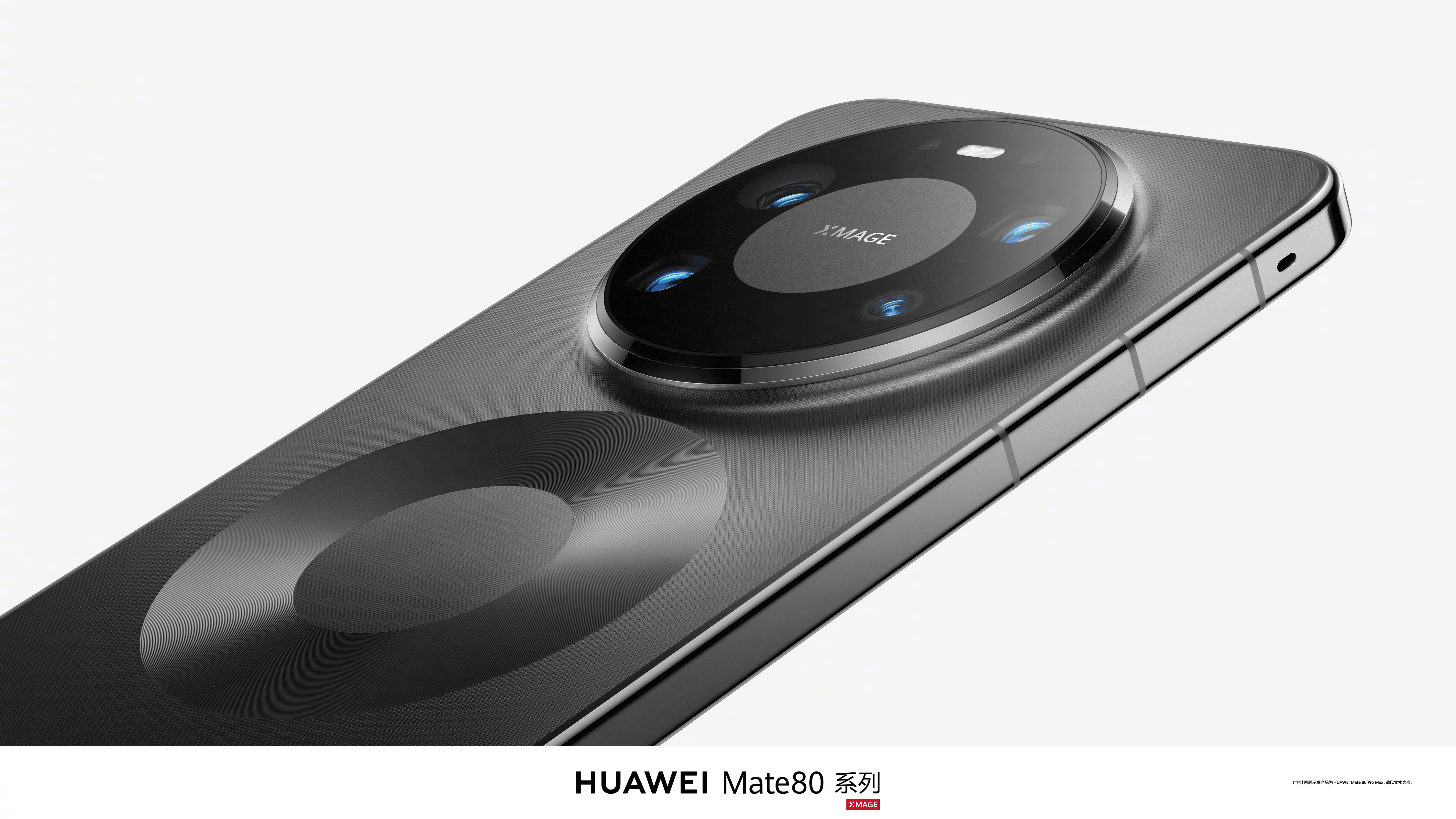
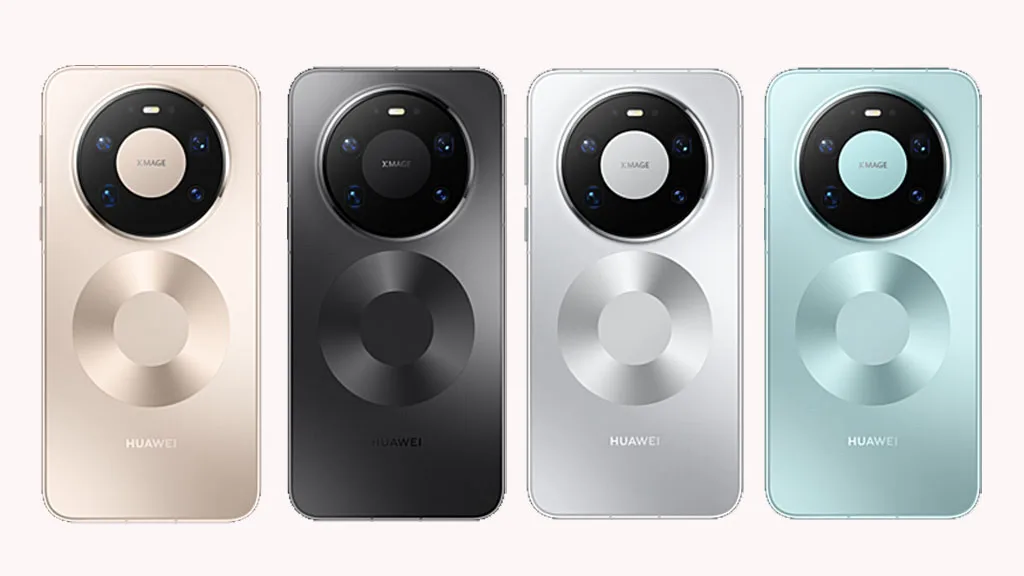
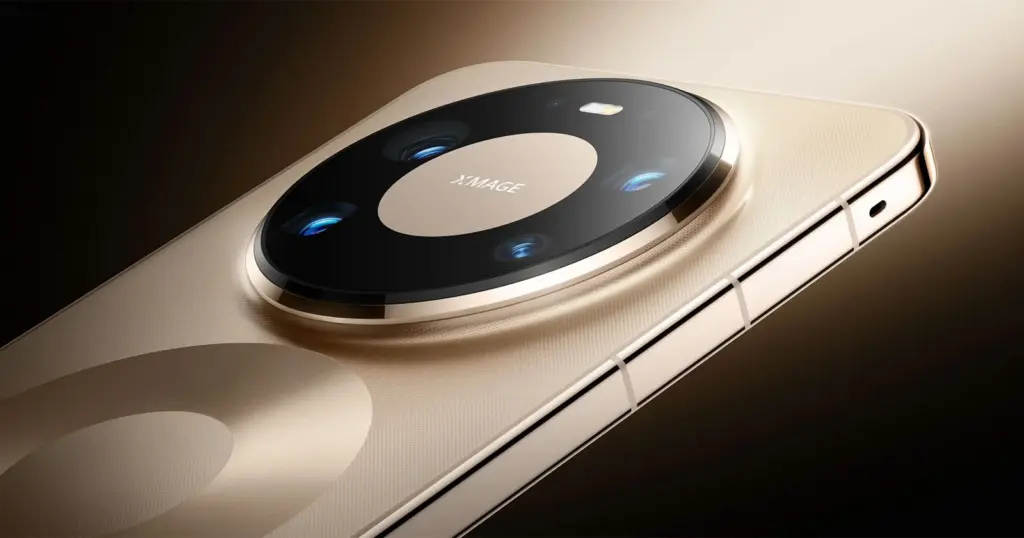
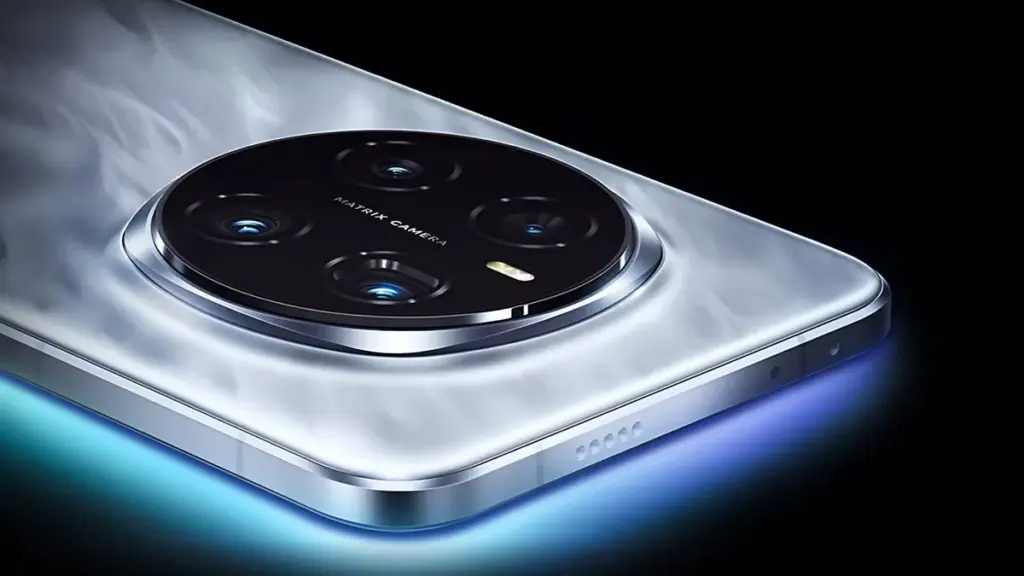
Are you tired of the same old circle camera design on the back? The Mate 80 Pro Max has an infinite appearance because the manufacturer recognizes your feelings.
This specific design strategy alludes to the new smartphone’s limitless, remarkable features. In order to highlight the device’s name and make it seem more auspicious, it also reflects the number “8.” It’s amazing how MATE is integrated into the lens architecture.
In the meantime, your smartphone’s all-metal body guarantees that it will be safe and secure throughout its life, regardless of any drops, water falls, or scratches.
Screen: Brightness like never before
The screen of the Mate 80 Pro Max is the result of some unique work by Huawei. In contrast to previous Mate phones, the 2025 model has a dual-layer OLED panel that lowers battery usage while also increasing brightness.
What’s unique, though? This time, it’s the maximum brightness, which is 8000 nits. The Mate 80 Pro Max is the first phone with this level of brightness, outperforming the iPhone 17 Pro Max and Galaxy S25 Ultra and establishing a new standard for premium models in 2026.
When watching videos or playing games, the screen eventually stays clear even in direct sunshine, and the content’s colors are crisp and vibrant.
Celia AI – the AI assistant
Huawei joined the smartphone market with its Celia AI assistant, competing with Gemini and Siri. It is now a human friend with certain dynamic capabilities rather than an artificial intelligence model.
With just a single utterance, you can now use Celia’s AI assistant to order new products, place restaurant orders, book flights, and perform a number of other tasks.
Tell Celia, for example, if you want to order an outfit or something to eat while playing your favorite game. Additionally, it will take you straight to the payment stage. You can complete the transaction without exiting the game, so don’t worry. Additionally, the app will use your voice to verify the payment.
Connectivity: weak signals become a thing of the past
With antenna breaks on all four sides of the frame (the phone’s rear panel), this would likely be the first gadget. What does that signify? The device will provide seamless communication regardless of how you handle it.
Apps like Beijing Metro Line 10, which gained popularity because to its poor signal, now offer lag-free, uninterrupted video playback. Users may even monitor the weather without internet access thanks to dual-satellite connectivity.
Three barriers can be penetrated and 13 kilometers can be covered via 700MHz wireless communication. As a result, you can communicate with other users even in places where there is absolutely no service.
With its outdoor mode, the Huawei Mate 80 Pro Max’s battery lasts for 14 days. Hiking tracks for some well-known routes can be recorded, imported, or even downloaded with its assistance. Additionally, you identify the rising trend and indicate risk appropriately.
Camera – top tier
Mate phones are not so much imaging devices as they are performance-based ones. However, Huawei has perverted this theory this time. With five potent sensors, including the second-generation multispectral lens, the Mate 80 Pro Max boasts an amazing camera package.
The gadget features a 50MP ultra-high dynamic primary camera, a 40MP ultrawide angle camera, a 50MP super-focus macro telephoto lens, a 50MP super telephoto sensor, and an improved multispectral lens for legendary image and video capture.
The new multispectral camera increases color reproduction accuracy by 43% when paired with the 9th-generation ISP. They are more colorful than ever, regardless of whether the photo needs to be taken underwater, in strong light, or in a gloomy environment.
Thus, these are the incredible qualities of the Huawei Mate 80 Pro Max that truly need your consideration. To improve the overall user experience, additional features include 5A Speed and smart grip.
Xiaomi seems to be advancing its long-standing collaboration with German optics behemoth Leica as the battle for flagship smartphones with cameras gets more intense every day. A fresh item found in the IMEI database indicates that the company is working on a far more ambitious project, despite the fact that leaks on the basic version of the Xiaomi 17 Ultra have recently dominated tech news. Known as the “Leica Leitzphone powered by Xiaomi,” this new model distinguishes out as a limited edition designed to combine performance and luxury in mobile photography.
Xiaomi 17 Ultra comes in 2 variants
Recently, the first specific details about the Xiaomi 17 Ultra series surfaced. The first variation was identified as having the product number “2512BPNDAG,” and it was found that this device’s internal codename is “P1.” It is anticipated that this model will be made available as the series’ standard “Ultra” model. The really intriguing change, though, was the addition of a second variation with a whole new naming structure to the IMEI database.
The model number of the recently discovered record is “25128PNA1G,” and the device’s internal codename is “P1S.” Here, the “S” suffix is believed to stand for terms like “Special.” The marketing name for this model is specifically stated as “Leica Leitzphone powered by Xiaomi” in the GSMA records. This suggests that Xiaomi may use the more prestigious “Xiaomi 17 Ultra Leica Leitzphone Edition” or “Xiaomi 17 Ultra Leica Edition” to launch this device.
This naming has a long history. Ernst Leitz, the man who founded the Leica brand, is the source of the name “Leitz.” Perfectionism in optical engineering is exemplified by the Leitz family, a legend in the field of photography. A global “Leitzphone” initiative with Xiaomi might be Leica’s largest step in the mainstream flagship market, even though the company already produces a “Leitz Phone” series (the most recent being the Leitz Phone 3) carrying its own brand in the Japanese market through a partnership with Sharp. Combining Leica’s optical history with Xiaomi’s manufacturing prowess could produce a gadget that revolutionizes smartphone photography.
New camera setup
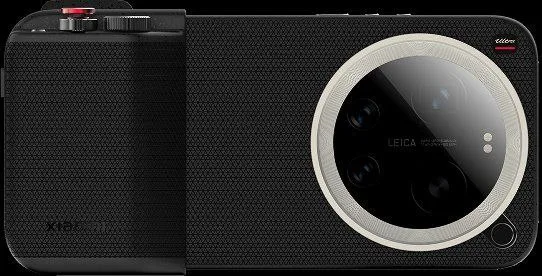
The back camera arrangement of the device is clearly visible in leaked photos of the “Photography Kit,” dispelling earlier reports of a “quad-camera” configuration. The pictures show that the Xiaomi 17 Ultra will have three cameras rather than four. It is noted that where the fourth lens would normally be, a unique sensor region or space has been left in the module design.
This suggests that Xiaomi is concentrating on improving the quality and sensor sizes of the current lenses rather than producing more lenses. The following is a list of the sensor setups evaluated under the codename “Nezha”:
Main Camera: 50MP OVX10500U (also known as OV50X) sensor.
The switch to a triple camera arrangement is thought to have been an engineering decision made especially to accommodate the larger primary sensor and the enormous 200MP telephoto sensor. A special grip and filter adaptor that converts the device’s ergonomics to that of a DSLR camera also seems to be included in the leaked photography package.
Other expected specs
Hardware-wise, the Snapdragon 8 Elite Gen 5 mobile platform is anticipated to power the Xiaomi 17 Ultra and its exclusive Leitzphone variant. Leica-only image processing techniques and sophisticated AI features will be included in the gadget, which will come pre-installed with the HyperOS 3 operating system. Information also indicates that satellite communication will be supported by the worldwide version.
The goal of the Xiaomi 17 Ultra series is to be a pocket-sized professional camera in addition to a smartphone. Based on the model number “2512,” these two gadgets, codenamed “P1” and “P1S,” are anticipated to be released in the final quarter of 2025 (December 2025), and they are projected to completely change the landscape of mobile photography.
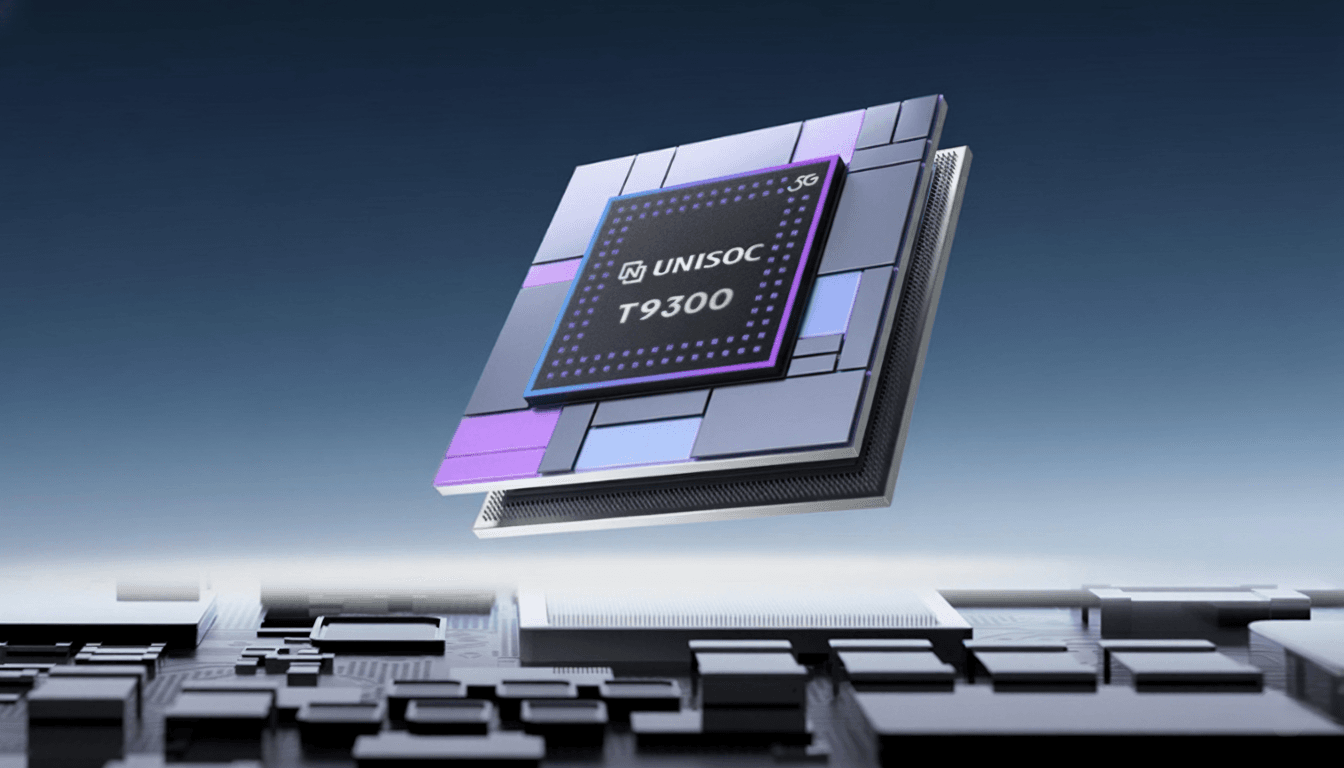
The new Unisoc T9300 5G mobile chipset for smartphones has been discreetly introduced. According to the business, the chip is a high-performance 5G SoC intended to provide improved gaming and video experiences. To find out more specific information about the new chipset, keep reading.
Unisoc T9300 specs
The high-performance 5G SoC Unisoc T9300 is intended to improve gaming and photography. It has an octa-core CPU with two Cortex A78 cores operating at 2.4GHz and six Cortex A55 cores operating at 2.2GHz, all built on a 6nm technology.
According to Unisoc, efficiency has increased by about 38% over the preceding generation. The Mali G57 dual-core GPU handles graphics, and UFS 2.2 flash and LPDDR4X RAM are supported for storage. According to reports, benchmark scores on AnTuTu V10 approach 550,000.
3GPP Release 17 support, the integration of 5G NR NTN satellite communication, and 5G MBS broadcast significantly improve connectivity. In typical 5G scenarios, the chipset has enhanced power efficiency and AI-driven network management. Dual VoNR, VoWiFi, SA and NSA modes, and full multi-band compatibility from 2G to 5G are all supported.
With a quad-core ISP, support for up to 200-megapixel sensors, 32-megapixel at 25 frames per second ZSL output, and 20-megapixel dual camera combinations, the T9300 unveils the seventh-generation Vivimagic imaging engine. Along with enhanced portrait segmentation and HDR photography, it also features enhanced multi-frame and time domain noise reduction, improved 3A algorithms, and AI-backed night mode.
Advanced noise reduction, improved echo control, improved stereo playback, and HiFi-grade output driven by a dedicated DSP are among the audio features. In addition to VRR and other eye protection settings, display support includes FHD+ at 144Hz, 1.5K at 90Hz, HDR10+, and Netflix certification.
The Unisoc Miracle Gaming engine, which emphasizes frame stability, network optimization, and improved visual processing with AI codec support for increased voice clarity in bad network conditions, enhances the gaming experience.
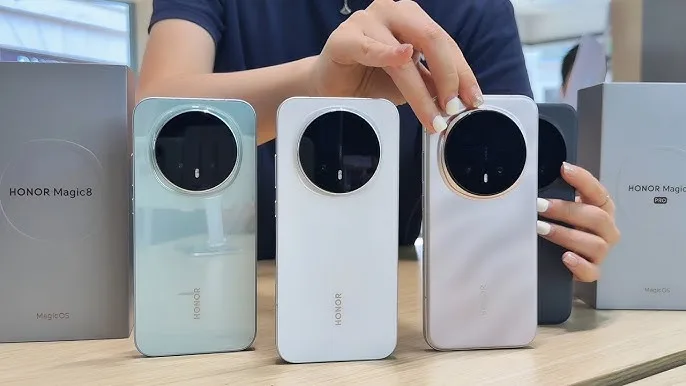
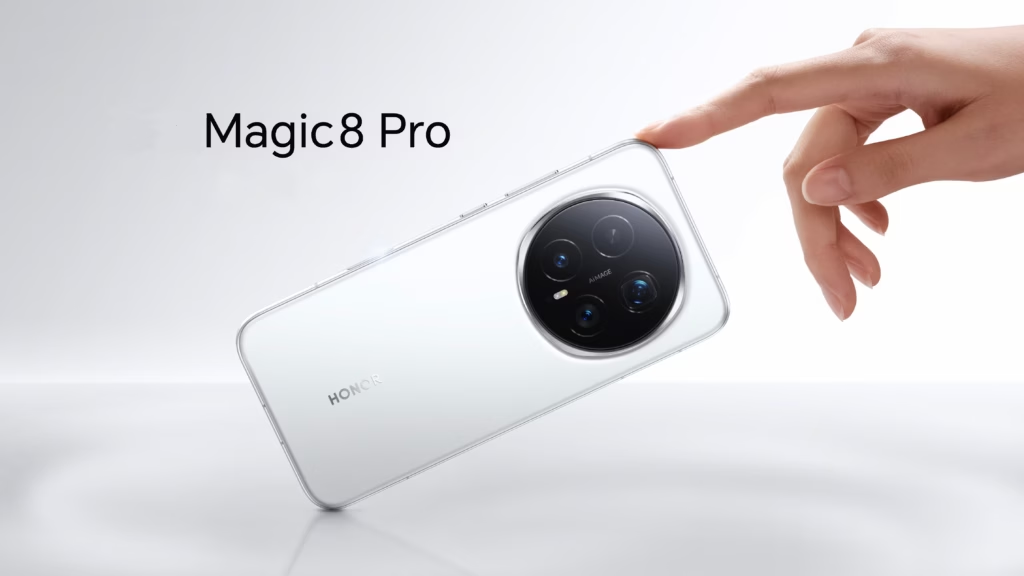
Honor isn’t spending any time getting its new Magic 8 Pro ready for its domestic China launch this month, even if it’s hard to believe that new flagship phone season has already begun again. My firsthand impressions are based on the pre-production unit that Honor supplied me prior to the launch.
Honor’s Magic OS 10 software, which is based on Android 16, is installed on this China model. It has Qualcomm’s latest Snapdragon 8 Elite Gen 5 hardware, a state-of-the-art camera system, a beautiful, elegant design that is lighter than before, and the largest battery I’ve ever seen in a flagship phone – despite the weight decrease.
Specs and availability
Before making its way to other regions, such as Europe, later this year in Sunrise Gold, Sky Cyan, and Black hues, the Honor Magic 8 Pro will make its debut in China in October 2025.
At launch, the phone comes with a 7,200mAh battery and a single SKU with 12GB RAM and 512GB storage. Because of European battery size constraints, the European model will come with a 6,270mAh battery.
Honor comes with a clear TPU case, a USB cable, a 100W charger, and a film screen protector already fitted on the phone. Very good deal when compared to other flagships!
Ultrasonic in-display fingerprint scanner, 3D depth front camera for face recognition
Battery
7100mAh (China) or 6270mAh (Europe) Silicon-carbon battery
Charging
100W wired, 80W wireless
Durability
IP68, IP69, IP69k
Processor
Qualcomm Snapdragon 8 Elite Gen 5
RAM
12GB
Storage
512GB
Dimensions
161.15mm x 75mm x 8.4mm
Weight
213g
Colors
Sunrise Gold, Sky Cyan, Black
New designa and a huge battery
I could sense the difference from the previous year as soon as I took the Honor Magic 8 Pro out of the package. In addition to being smoother than before (in a non-slippery fashion, strange as that sounds), the phone’s soft, brushed metal sides also organically curve into the front and rear of the chassis, offering remarkable weight alleviation over the previous model.
Honor appears to have found a good mix between the flat side trend and a more pleasant set of curves, which is something I dislike about most phones with flat edges. Only the extreme margins of the corners are pushed into a curve, making the display flatter than before.
The new design’s touted feature is a new AI button, which is situated around two-thirds of the way down the phone’s right side. Although it may also be used as a camera control button with swipe-to-zoom capabilities, this long button, which is flush with the frame, is primarily used as an AI button right out of the box.
In China, YOYO video AI can be accessed by long-pressing the button; this capability at least somewhat resembles Gemini Live. Honor hasn’t officially disclosed their plans, but it’s probable that international versions will include this feature with Gemini rather than YOYO.
Additionally, you can personalize a single or double press of this button to take a screenshot for AI memories, start the camera, or open the AI memories center.
I really enjoyed this final feature since it made it simple for me to keep track of facts throughout the day. For instance, I came across a local post about a Harry Potter event that was taking place at the end of the month while perusing Instagram. The screenshot of this incident was saved in my AI memories when I tapped the AI button, and I can locate it by searching for “Harry Potter” in the AI memories app.
These days, my preferred method of finding information is this kind of context-sensitive information searching, which is comparable to the Pixel Screenshots app. You can even request that YOYO “find all my screenshots and eliminate the fuzzy ones” for the Chinese models. If you choose not to utilize it, the implementation is totally ignorable and doesn’t feel intrusive at all.
You will care about the improved battery even if you don’t give a damn about the new AI button. With Honor’s latest silicon-carbon battery technology, which has an incredible 7,100mAh capacity, the Magic 8 Pro has the largest battery I’ve ever seen in a typical flagship phone. Despite this, the phone weighs less than the one from the previous year.
The Honor Magic V5 also featured a comparable capacity increase and this battery technology. This isn’t “empty capacity” or anything because, at the beginning of the third day of my testing, I had barely less than 20% remaining after going two full days without charging. It’s authentic.
About the camera
Every shot I took with the Honor Magic 8 Pro impressed me on a pleasant fall day. As I’ve come to anticipate from Honor phones, this one performs especially well in motion capture, portrait mode, and with the telephoto camera. It’s not surprising to see that upgraded here with even better sensors because even Honor’s more reasonably priced phones capture beautiful portrait mode photos.
Images captured using the viewfinder’s 2x, 3.7x, or 10x presets are outstanding. The camera performed well in every situation I tested it in, and I doubt I could ask for more from any camera with a zoom of less than 10x.
Honor also emphasizes the phone’s capacity to capture images in difficult lighting conditions, an area where other phones frequently falter. One such moment is The Blue Hour, which occurs immediately before the sun sets.
In addition to the fact that color is typically difficult to capture at this time, longer exposure times are frequently required to obtain sharp images. Comparing the Magic 8 Pro to the Pixel 10 Pro XL, the former passed this test with flying colors.
Furthermore, all of the exciting new toys are buried in the AI processing, even though the telephoto camera has some amazing new stability and low-light characteristics as well as improved dynamic range.
Viewing your images in context is no longer the only use for motion photos. With only two taps, you can add motion trails, turn any motion snapshot into a slow-motion video, or make an amazing stop-motion animation with the Magic 8 Pro’s new AI editing features.
Additionally, Honor is introducing some cool new AI-based recoloring modes, including as Warm Sunset, Golden Autumn, and Romantic Blue, to give your old photographs a fresh look.
Honor Magic 8 Pro – raw power, AI and photography
As the international debut draws nearer, we’ll be discussing the many interesting and fresh announcements regarding this phone. As of right now, Honor’s most recent products are receiving great reviews, and the business is consistently improving both the hardware and software designs, such as the new MagicOS 10 that runs on Android 16.
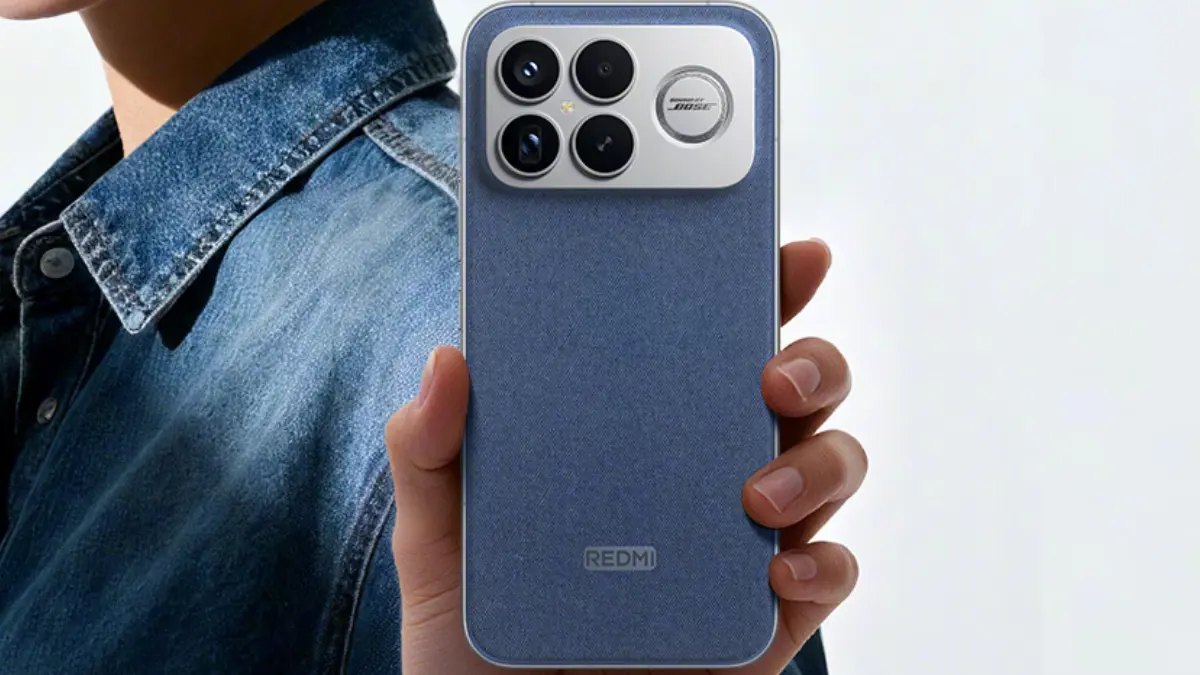
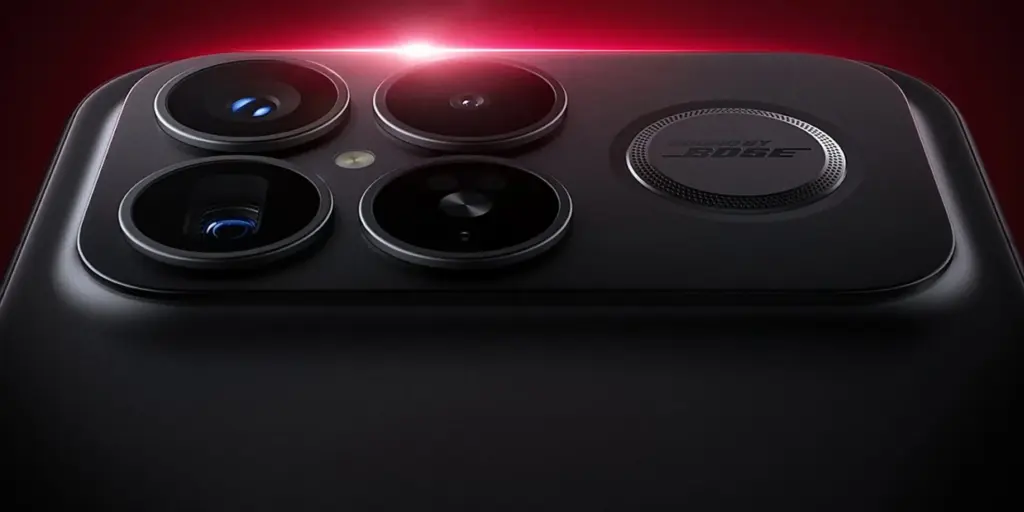
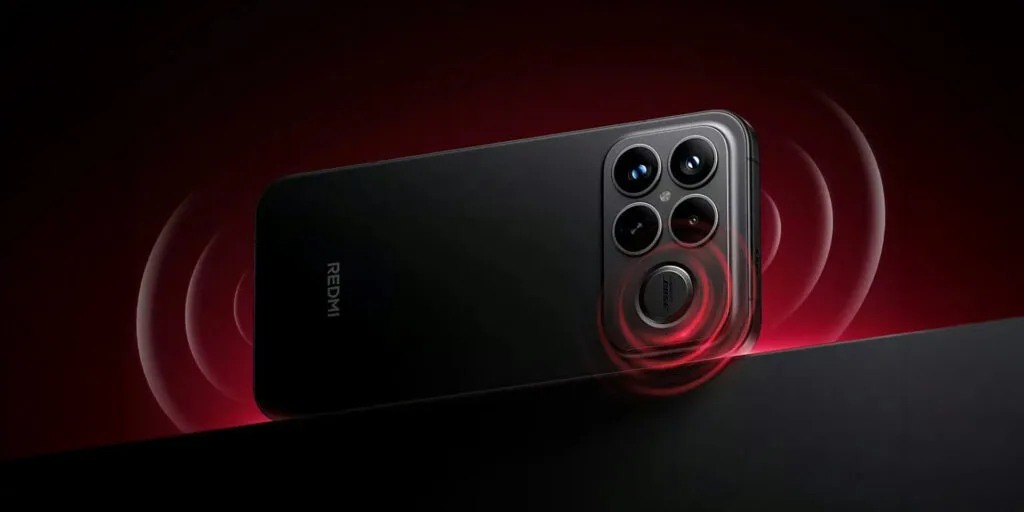
Redmi is going to cause another upheaval. The Redmi K90 Pro Max, which will come with a significant upgrade, will formally launch on October 23 at 19:00 (China time), according to the company. The Light Hunter 950 sensor, the same flagship-grade camera seen on the Xiaomi 17, will be available on a Redmi handset for the first time. Put another way, high-end photography is on the verge of becoming popular.
Light Hunter 950 brings flagship-level imaging to Redmi phones
A 1/1.31-inch ultra-large sensor, the Light Hunter 950 can capture remarkable light and detail. By utilizing DXG High Dynamic technology and supporting a 13.5EV dynamic range, it guarantees sharp, colorful images even in challenging lighting conditions.
Additionally, it has a 1G+6P glass-plastic hybrid lens and a precision coating technology from Redmi that reduces glare and improves sharpness. In actuality, this means that the Redmi K90 Pro Max performs extremely well, matching Xiaomi’s flagship phones. This is a daring move for a phone that costs less than $600.
The Xiaomi Group President, Lu Weibing, claims that the Redmi K90 Pro Max is “the most powerful phone in the 4,000 yuan+ segment,” or around $550. This puts it in direct competition with upper-mid-range rivals like the Samsung Galaxy S24 FE and OnePlus 13R, which frequently provide performance but lack innovative cameras.
Redmi’s approach is straightforward: provide premium camera performance and power to customers who won’t pay too much. The K90 Pro Max has the potential to completely change our expectations for a mid-range smartphone, if initial impressions are accurate.
The Xiaomi Group President, Lu Weibing, claims that the Redmi K90 Pro Max is “the most powerful phone in the 4,000 yuan+ segment,” or around $550. This puts it in direct competition with upper-mid-range rivals like the Samsung Galaxy S24 FE and OnePlus 13R, which frequently provide performance but lack innovative cameras.
Redmi’s approach is straightforward: provide premium camera performance and power to customers who won’t pay too much. The Redmi K90 Pro Max has the potential to completely change our expectations for a mid-range smartphone, if initial impressions are accurate.
Flagship imaging meets affordability: a new era for photography
Redmi is bridging the gap between mid-range and premium smartphones more quickly than ever before thanks to the Xiaomi 17’s main camera technology. This is about changing perspective, not simply about specs. A phone that costs less than $600 and has a camera that can compete with a flagship? Redmi’s reputation is based on disruptions like that.
We may stop considering “cheap” phones as compromises in 2025 if this trend keeps up.
Estimated Global Pricing
China price: from ¥4,000 (~$550)
Estimated European retail: around €640 (incl. VAT & import)
The Xiaomi 15T and 15T Pro, the company’s upcoming T-series phones, are about to go on sale. The standard 15T model is expected to start at €649, while the Pro model would cost €799, according to rumors circulating about both devices.
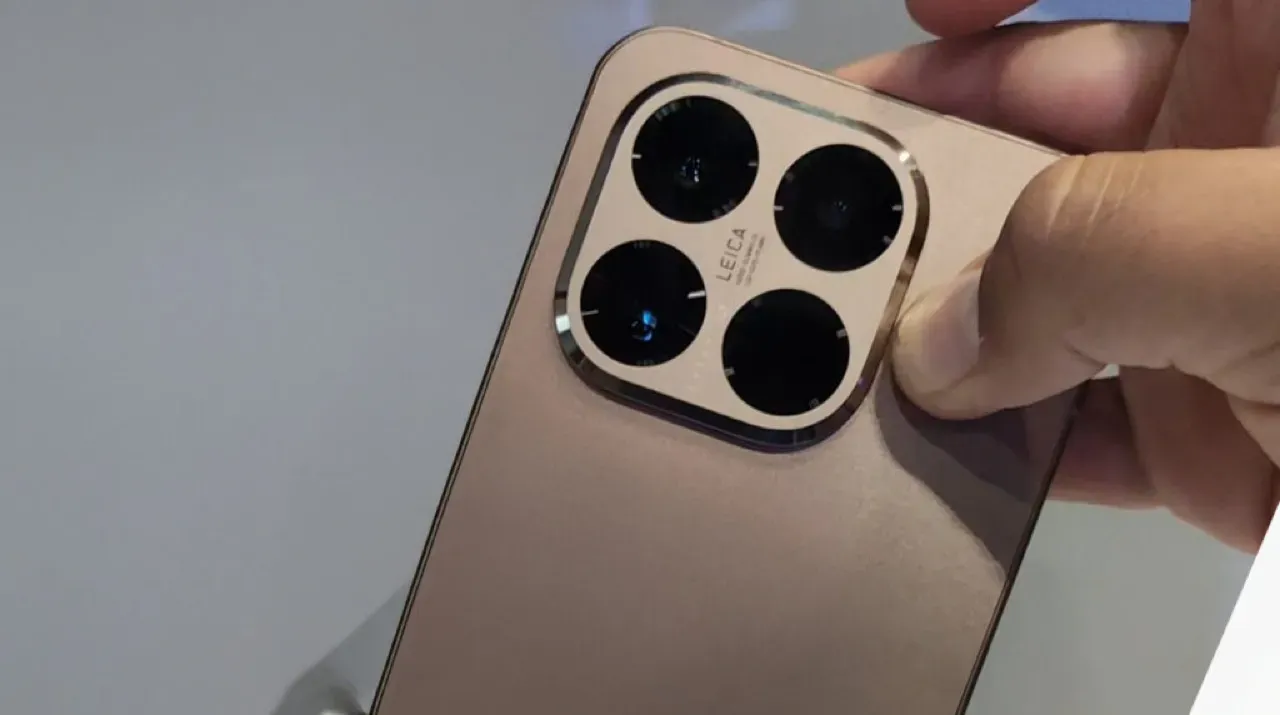
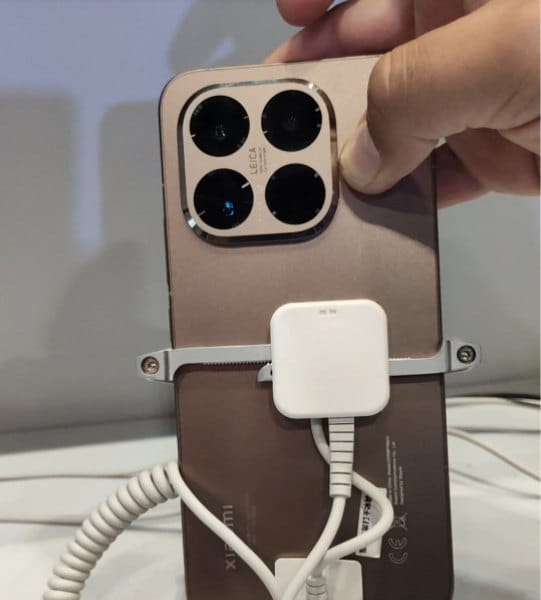
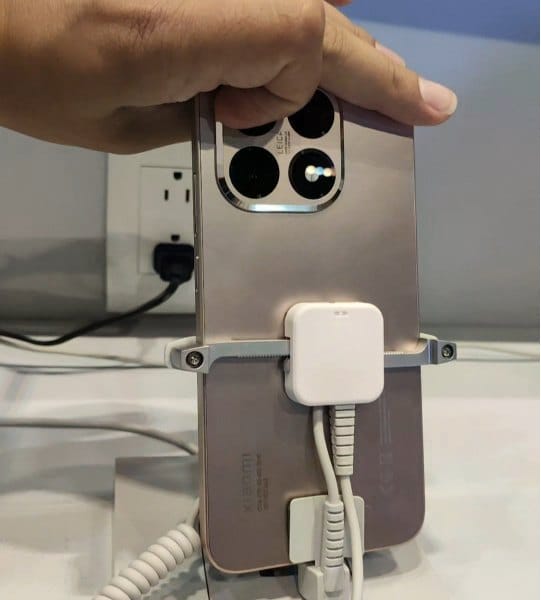
We are now seeing the hardware for the first time. Recently, a TikTok user shared a video showcasing the 15T Pro’s front and back, showcasing the rear panel’s copper-like appearance.
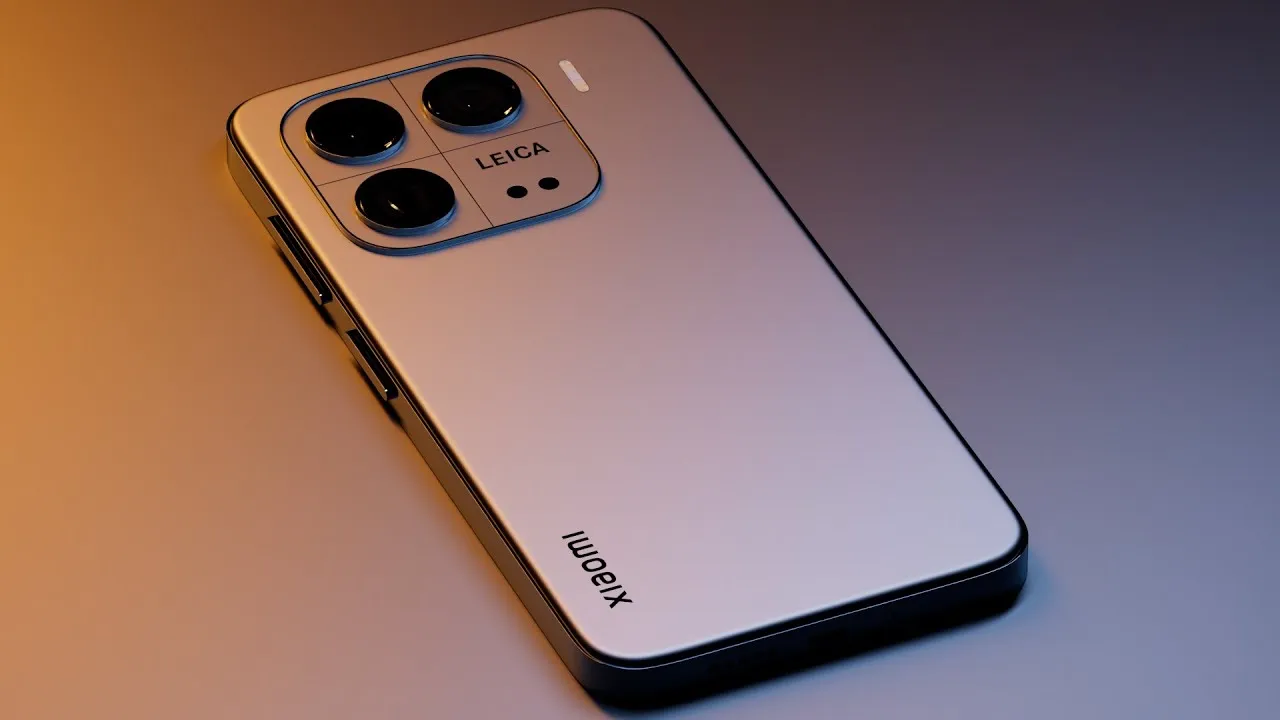
It should come as no surprise that the camera island, which is situated in the upper left corner, is formed like a rounded square with beveled edges and has Leica branding in the center.
What to expect?
According to rumors, the phone will have a 50-megapixel Samsung JN5 telephoto camera, a 13-megapixel ultra-wide lens, and a 50-megapixel OmniVision OVX9100 primary camera. It might have a Samsung S5KKDS selfie sensor on the front.
The tablet may have a MediaTek Dimensity 9400+ chipset on the inside, along with 12GB of RAM and 128GB or 256GB of storage. According to reports, the 128GB variant costs €799, and the 256GB model would cost €899. The Pro model’s storage specifications are consistent with our earlier findings, and a 1TB version may even be available in some markets.
Multiple certification databases have already included both phones, indicating that an official launch is imminent. Hopefully, Xiaomi won’t hold off on revealing all the information for very long.
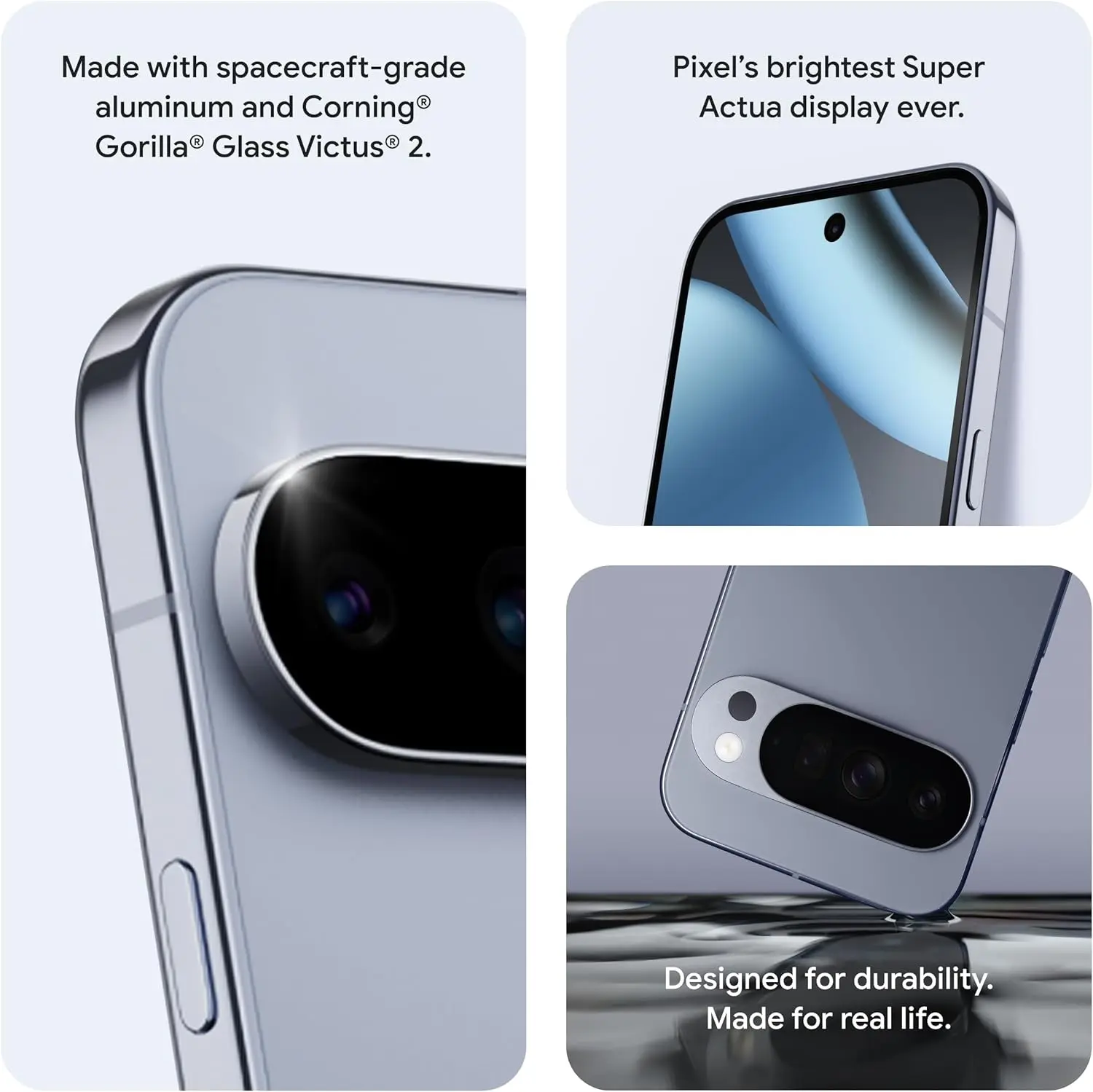
The Google Pixel 10 Pro XL is a major advancement in smartphone design, emphasizing improved utility and more intelligent software integration over drastic hardware changes. This device is designed to improve your everyday interactions with features including wireless charging, camera technology, widgets, software automation, and performance improvements. We examine its top features below, highlighting the reasons the Pixel 10 series is unique in the crowded smartphone market.
Google Pixel 10 Pro with $200 Amazon Gift Card
Order the new Google Pixel 10 Pro and get an Amazon Gift Card. Valid 8/20/2025 until 9/4/2025 at 11:59pm PT, while supplies last and subject to availability
As the first significant Android smartphone to use the Qi2 wireless charging standard, the Pixel 10 series raises the bar for compatibility and ease of use. This method greatly increases charging efficiency by using magnets for exact alignment. It also makes it possible for MagSafe accessories to work seamlessly, so you can connect magnetic wallets, power banks, or stands without the need for additional cases or adapters.
This integration increases the phone’s functionality while also making charging easier. The Qi2 standard makes sure your gadget is always charged and prepared to fit your needs, whether you’re at home, at work, or on the go. This feature is a unique addition to the Pixel 10 series since it combines efficiency and ease.
Innovative Camera System in Pixel 10 series
With its Gemini Eye technology, the Pixel 10 Pro XL elevates smartphone photography to a new level. A “Camera Coach,” which offers real-time advice on lighting, framing, and other settings to help you effortlessly take professional-quality photos, is a feature of this cutting-edge device. Even when photographing distant scenes, the 11-megapixel telephoto lens and up to 20x super-res zoom guarantee that your images stay crisp and clear.
The Gemini Eye technology makes it simpler to get amazing results, whether you’re a casual user taking short pictures or a photography fanatic striving for perfection. The Pixel 10 Pro XL is now a top option for those who are camera-focused thanks to these improvements, which demonstrate Google’s dedication to providing an excellent shooting experience.
Intelligent Automation with Magic Cue Assistant
The Magic Coup Assistant is another example of how Google is pushing the limits of software innovation. This tool automates repetitive chores and provides contextual recommendations by using machine learning to understand your preferences and behaviors. Magic Coup Assistant is made to make your life easier, from scheduling to changing settings according to your activity or location.
For instance, it can remind you of crucial deadlines, recommend routes depending on traffic, or automatically turn off messages during meetings. The Pixel 10 Pro XL is a sensible option for people who value efficiency and convenience because of this degree of personalization, which shows Google’s commitment to making the experience more intuitive and user-friendly.
Smarter Widgets with Gemini Space
Gemini Space, a development of Google’s “At a Glance” function, offers a major improvement to the Pixel 10 Pro XL’s widgets. This utility adds real-time updates from programs like Docs, Maps, and Gmail straight to your home and lock displays. Gemini Space keeps you focused and organized without requiring you to launch numerous apps by giving you access to real-time information at a glance.
Keeping track of appointments, managing hectic calendars, and remaining informed about critical activities are all made easier with this tool. It is a minor but significant innovation that improves the user experience overall because it might simplify your everyday routine. The Pixel 10 Pro XL provides a more user-friendly method of interacting with your smartphone with Gemini Space.
Google Pixel 10 Pro with $200 Amazon Gift Card
Order the new Google Pixel 10 Pro and get an Amazon Gift Card. Valid 8/20/2025 until 9/4/2025 at 11:59pm PT, while supplies last and subject to availability
The Google Pixel 10 Pro XL places a high priority on significant upgrades that boost speed and usability. This smartphone is made to satisfy the demands of the customers, from a more potent Tensor G5 chip to the cutting-edge Gemini Eye camera system and the creative Qi2 wireless charging. The experience is further enhanced by features like the Magic Cue Assistant and Gemini Space widgets, which provide a smooth fusion of convenience and functionality.
These well-considered improvements show Google’s dedication to providing a feature-rich gadget that fits your needs. Whether you’re a photography enthusiast, tech enthusiast, or someone looking for a dependable and effective smartphone, the Pixel 10 Pro XL provides an alluring blend of innovation and usefulness.
It has been predicted that the Xiaomi 16 and Xiaomi’s flagship 16 Pro smartphones will include a significant camera update, however it might not be the one you were hoping for.
Digital Chat Station, a prolific tipster, posted an intriguing allegation on Weibo regarding one of the first large flagship phones of the upcoming generation.
The post claims that a far better selfie camera with a crisper 50Mp resolution—up from 32Mp in the Xiaomi 15—will be included in the Xiaomi 16 and the Xiaomi 16 Pro.
Both focusing and better low-light performance should be features of this selfie camera. In phones that support it, the latter feature always results in better selfies. In this sense, it will be nice to see Xiaomi‘s entry-level flagship catch up to the Pixel 9, iPhone 16, and Galaxy S25.
The tipster goes on to say that, like the Xiaomi 15, this selfie camera will record 4K/60FPS videos and enable a wide viewing angle.
Xiaomi 16 known specs
The Xiaomi 16’s back cameras also need an upgrade, however the selfie camera appears to be the most notable addition.
It is said to include a new 50Mp 1/1.3 primary sensor, whereas the Pro model will also have a ToF (Time of Flight) sensor, which should enhance bokeh and focusing, among other things, and an extremely high dynamic range function.
According to earlier rumors, the Xiaomi 16 will contain a massive 7000mAh silicon-carbon battery, which is 75% larger than the Galaxy S25’s.
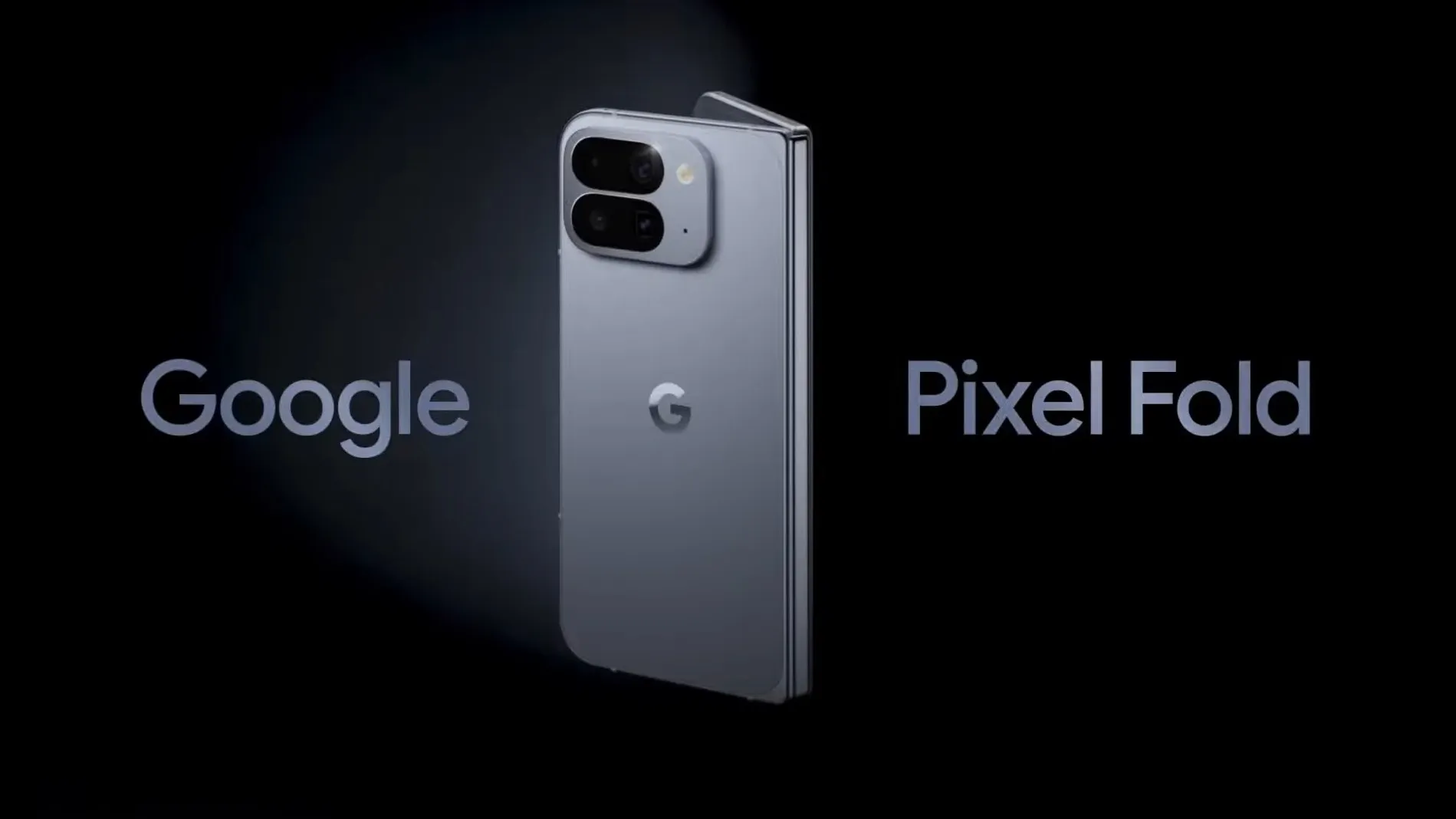
Every single specification for the Google Pixel 10 Fold has been made public online, just when we thought the leaks would stop.
This comes shortly after the tech giant teased the phone in an official trailer, and just days before the major Made by Google event on August 20.
The whole spec sheet for the Pixel 10 Pro Fold, including all of its new features and enhancements, has been obtained by Winfuture.
First of all, the phone’s IP68 dust and water resistant classification seems to imply that it will be the first foldable phone to be sold. For a phone with a tablet-sized display that folds in the middle, that is incredibly astounding.
Additionally, it indicates that the panels would be 3000 nits brighter than they were previously and that the external display will enlarge to 6.4 inches.
It was unclear whether the design of the Pixel 10 Pro Fold would prevent it from receiving MagSafe-style charging via Qi2, even though it is widely rumored (and in fact confirmed) that the Pixel 10 series will. Nonetheless, Qi2 wireless charging at 15W is listed on the specification sheet.
In addition, the telephoto camera appears to have a 10x optical zoom, and the battery is stated at 5015mAh, which is greater than both its predecessor and the Samsung Galaxy Z Fold 7.
Although the website confirms earlier rumors that the Pixel 10 Pro Fold won’t go on sale until October, you can view the complete specs below and check to see if they are accurate.
According to reports, the 256GB model will retail for €1,899 in Germany when it launches. For additional information in the meanwhile, see our coverage of the Pixel 10.
External display: 6.4-inch OLED Actua, 1080 × 2364 px, 408 ppi, 60-120 Hz, HDR up to 2000 nits, maximum brightness 3000 nits
Internal display: 8.0-inch OLED Super Actua Flex, 2076 × 2152 px, 373 ppi, 1-120 Hz, HDR up to 1800 nits, maximum brightness 3000 nits
Processor: Google Tensor G5 + security chip Titan M2