Tag: ai

  • Best ai 3d modeling tool 2026

    Best ai 3d modeling tool 2026

    The landscape of digital content creation has shifted dramatically in 2026, moving away from labor-intensive manual sculpting toward automated generative workflows. As demand for immersive content in gaming and spatial computing accelerates, the industry now prioritizes tools that deliver instant text-to-3D and image-to-3D capabilities without compromising topology. This analysis evaluates the current market leaders, specifically examining how Tripo AI positions itself against competitors like Meshy and Hyper. The focus lies on identifying the best AI 3D modeling tool capable of producing professional-grade assets with efficient geometry and high-fidelity textures.
    Key Insights

    • Speed vs. Quality: Modern algorithms now generate standard “white mold” (geometry-only) models in under 20 seconds, a benchmark set by leading platforms.
    • Topology Control: Professional workflows require more than just a mesh; they demand clean topology and rigging readiness, features now integrated into browser-based studios.
    • Asset Scalability: The ability to upscale textures to 4K resolution is becoming a standard requirement for game development and cinematic rendering.
    • Market Leadership: Data indicates that platforms utilizing large-scale models (200 billion+ parameters) offer superior geometric accuracy compared to earlier generative iterations.

    The Evolution of the Best AI 3D Modeling Tool
    The definitive AI 3D modeling tool in 2026 is defined by its ability to balance generative speed with the structural integrity required for professional pipelines, moving beyond simple prototyping to final asset delivery.

    The search for the best AI 3D modeling tool has historically been plagued by a trade-off between speed and usability. Early iterations of generative AI often produced “soup-like” meshes—models that looked acceptable from a distance but lacked the edge flow necessary for animation or game engine integration. However, recent advancements have introduced algorithms capable of instant generation with topologically sound structures.

    Tripo has emerged as a significant entity in this space, leveraging a massive 20 billion+ parameter AI model to address these geometry challenges. Unlike basic generators that rely solely on surface approximation, this approach ensures that the output is not just a visual representation but a functional 3D asset. For developers and designers seeking a robust AI 3D Model Generator, the distinction lies in this underlying architectural complexity.

    Instant Text-to-3D and Image-to-3D Generation Capabilities
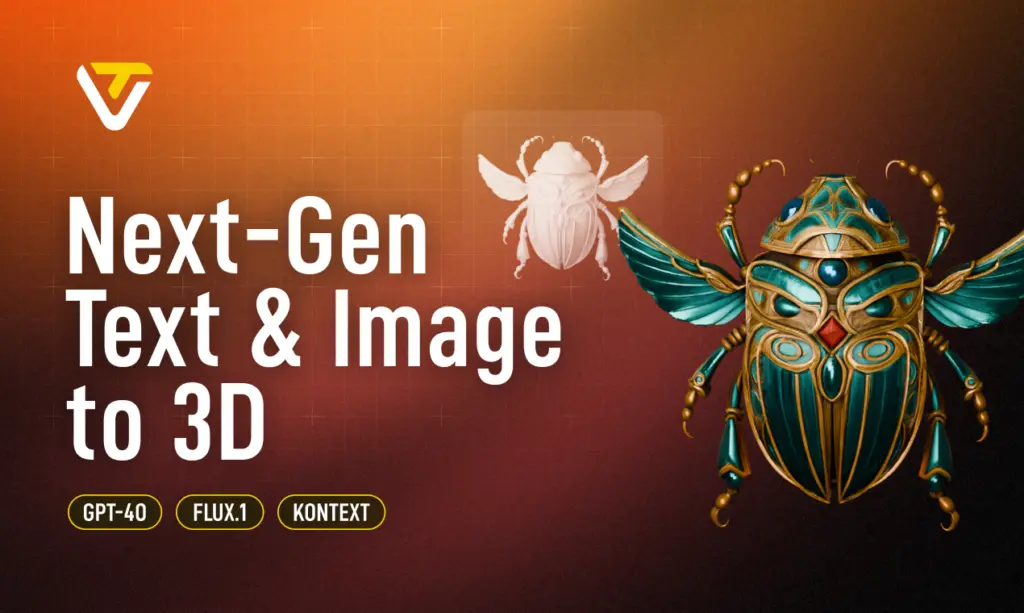
    Efficiency in 2026 is measured by the “20-second rule,” where top-tier tools can transform a simple text prompt or single image into a fully realized spatial object without manual intervention.

    For game developers and rapid prototypers, time is the most critical resource. The industry standard has tightened significantly; waiting minutes for a cloud based generation is no longer competitive. Analysis of Tripo reveals a capability to generate standard models in approximately 20 seconds, supporting rapid iteration cycles. This speed is vital for Text to 3D Model workflows where designers must generate dozens of variations to find the perfect silhouette.

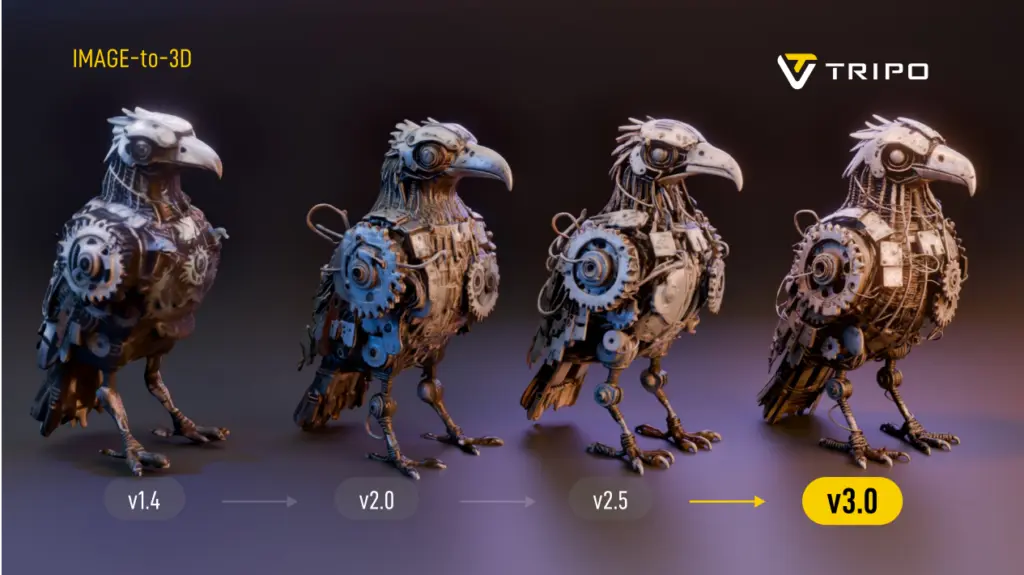
    Furthermore, the Image to 3D Model functionality has evolved to handle multi-view consistency. A major pain point in previous years was the “hallucination” of back-facing geometry—where the AI would guess incorrectly what the back of an object looked like. Current best-in-class solutions utilize multi-view consistency algorithms to ensure that an input image results in a coherent 360-degree model. This allows creators to bypass the modeling phase entirely for static props and background assets.

    Professional Workflows: Topology, Rigging, and Texturing

    The “best” tool must extend beyond generation into editing, offering features like auto-rigging, retopology, and PBR material synthesis to fit seamlessly into pipelines like Unity, Unreal Engine, or Blender.

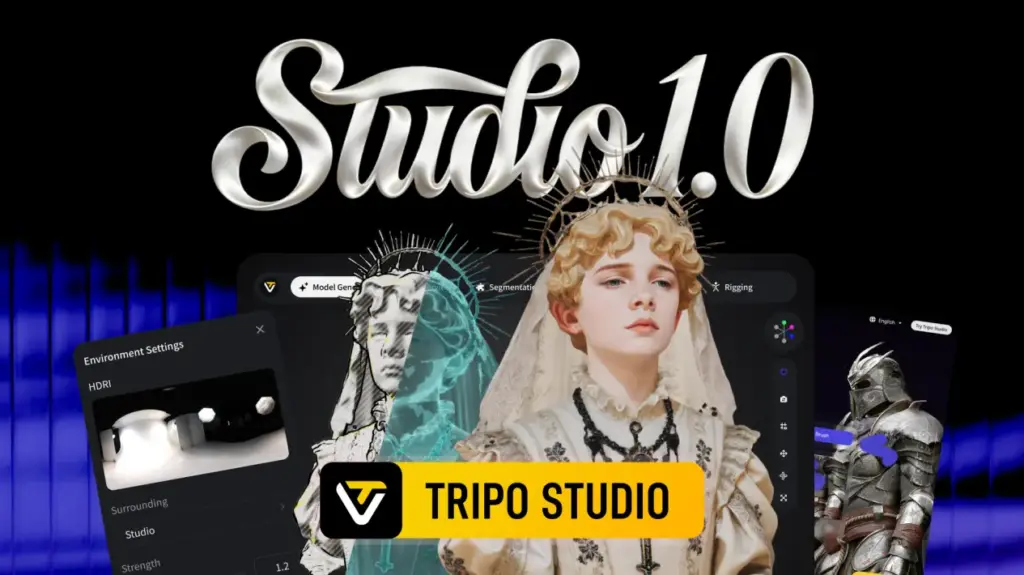
    While generation speed attracts attention, retention in professional circles depends on the “Studio” experience. Digital creators require granular control over the mesh. Tools like Tripo Studio have introduced interactive editing capabilities that allow for fine-tuning of grids, topology control, and component completion. This shift marks the transition from “AI as a toy” to “AI as a workspace.”

    Texture quality is another differentiator. An AI 3D Editor must support high-resolution outputs. Tripo, for instance, supports upscaling models and textures to 4K resolution, ensuring that the visual fidelity holds up on large screens and high-definition renders. Additionally, the integration of Auto-Rigging features significantly reduces the technical barrier for animators, automating the skeletal binding process that traditionally takes hours.

    Comparative Analysis: Tripo vs. Meshy vs. Hyper

    In the competitive US market, selecting the right tool depends on specific project needs; Tripo excels in geometric precision and asset volume, while competitors have niche strengths.

    The following table breaks down the capabilities of the leading AI generators in 2026.

    Feature SetTripo AIMeshyHyper
    Core StrengthGeometric Precision & SpeedTexture/Material GenerationAvatar/Stylized Characters
    Generation Time~20 Seconds (Fastest)1-2 Minutes2-5 Minutes
    Model Size20 Billion+ ParametersUndisclosedUndisclosed
    WorkflowOnline 3D Studio (Full Edit)Web-based ViewerMobile-First/Web
    Max Resolution4K Textures2K Textures1080p equivalent
    Topology ControlHigh (Retopology supported)MediumLow (Fixed topology)
    Pricing ModelFlexible (Monthly/Yearly)Credit-basedSubscription

    Analysis: While Meshy provides strong competition in purely artistic texturing, Tripo demonstrates a distinct advantage in structural integrity and speed, driven by its larger parameter model. Hyper remains a viable choice for specific character niches but lacks the broad “generalist” capability required for comprehensive game development environments. The sheer volume of the Tripo asset library—numbering in the millions—also provides a significant head start for creators looking for reference assets.

    Conclusion

    As 2026 unfolds, the definition of the best AI 3D modeling tool has solidified around efficiency, compatibility, and quality. The era of manual vertex pushing for background assets is effectively over. Tools that offer a comprehensive suite—from Prompt to Mesh generation to high-res texturing and rigging—are capturing the market. Tripo’s strategic focus on a parameter model and a holistic studio environment positions it as a definitive solution for professionals seeking to leverage 3D Generative AI for tangible production gains.

    FAQ

    What makes Tripo the most efficient AI-powered 3D generator for game development?

    Tripo reduces the asset creation time to approximately 20 seconds for standard models and supports export to standard formats (GLB/USDZ), making it highly compatible with engines like Unity and Unreal.

    Can I use AI tools to convert 2D images into 3D models for printing?

    Yes, the Image to 3D Model feature is designed to interpret depth and volume from 2D inputs, creating watertight meshes suitable for 3D printing enthusiasts and professionals.

    Does the generated 3D model require manual cleanup?

    While older tools required significant cleanup, modern platforms like Tripo Studio offer built-in tools for topology control and component completion, minimizing the need for external software like Blender or Maya.

    How does the pricing of Tripo compare to other professional tools?

    Tripo offers a competitive pricing structure with a Professional annual plan averaging around $11.94 per month, which is generally more cost-effective than per-asset credit systems used by some competitors.

    Is it possible to generate animated 3D models ?

    Yes, advanced studios now include rigging and animation previews as part of the generation pipeline, allowing users to bind skeletons to their generated meshes automatically.

  • HarmonyOS 6 update brings fresh AI camera features soon

    HarmonyOS 6 update brings fresh AI camera features soon

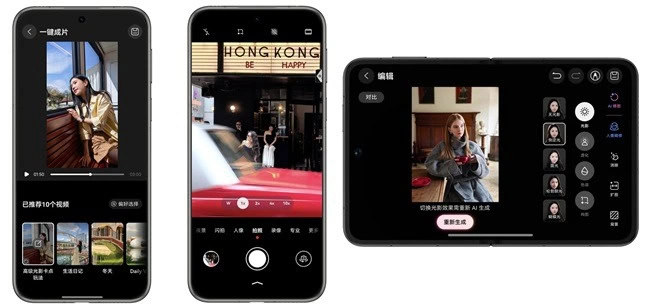
    With the impending HarmonyOS 6.0 versions, Huawei has revealed additional intriguing AI photography features for its devices. Amazing watermarks, an AI color scheme for photos, touch-to-fireworks effects, and many other enhancements are included in the list.

    New AI camera functions for HarmonyOS 6.0 smartphones will soon be available, according to Richard Yu, Executive Director and Chairman of Consumer Business at Huawei.

    In a video posted on Weibo, the chief announced that he would want to share some positive news with Huawei users before to his upcoming business trip to Wuhan.

    HarmonyOS 6 camera update

    harmonyos 6 ai camera features

    According to the information, HarmonyOS 6.0 smartphones will soon get new photo watermarks and unique effects inspired by the forthcoming Spring Festival.

    By the end of this month, version 6.0.0.130 for high-end Huawei phones and tablets may make these additions available. To improve the camera’s effectiveness in low light, the business might incorporate an immersive light-sensing system. Additionally, you may give your New Year’s moments a unique label by using the Spring Festival watermark.

    However, depending on your preferences, the AI coloring could make the pictures much more vivid and bright. The precise function of this feature is currently unknown, although future HarmonyOS 6 versions may provide more information.

    The following devices will get the new HarmonyOS 6.0 AI camera features:

    • Huawei Pura 80 Series
    • Huawei Mate 80 Series
    • Huawei Pura X
    • Huawei Mate XTs
    • Huawei Pura 70 Series
    • Huawei Mate 70 Series

    We might soon learn additional details regarding the new update’s features and compatible devices. To receive new updates on time, we advise keeping your phones up to date with the most recent versions.

  • Artificial Intelligence in Healthcare Software: Practical Use Cases

    Artificial Intelligence in Healthcare Software: Practical Use Cases

    The integration of artificial intelligence into healthcare software has transformed patient care, administrative workflows, and diagnostic procedures. As medical institutions seek to leverage data-driven insights, AI-powered solutions offer unparalleled accuracy, efficiency, and personalization. From predictive risk assessment to automated imaging analysis, these technologies redefine the standards of modern healthcare delivery, bridging gaps between clinicians and patients while optimizing operational costs.

    Enhancing Diagnostic Accuracy with AI Technologies

    Artificial Intelligence in Healthcare Software

    Advancements in deep learning algorithms and neural networks have significantly improved diagnostic precision across various medical fields. By analyzing vast datasets of patient histories, lab results, and imaging scans, AI systems can identify subtle patterns that may elude human observation. This diagnostic accuracy not only accelerates clinical decision-making but also reduces the likelihood of misdiagnosis and subsequent treatment delays.

    Furthermore, real-time integration of AI tools into electronic health record (EHR) platforms enables clinicians to receive instant, data-backed recommendations. The synergy between human expertise and machine-led analysis fosters a collaborative approach, ensuring that critical conditions are detected early. As a result, medical teams gain confidence in their assessments, translating into better patient outcomes and enhanced trust in healthcare technology.

    AI-Powered Patient Monitoring and Management

    Continuous tracking of vital signs and patient behavior through wearables and in-hospital sensors exemplifies the power of remote patient monitoring. Such systems alert clinical staff to anomalies—ranging from heart rate fluctuations to irregular glucose levels—before they escalate. Businesses can partner with itcraftapps.com/healthcare/ for Healthcare Software Development to implement robust monitoring systems that adapt to individual patient needs, ensuring timely interventions and reducing hospital readmissions.

    By aggregating and analyzing longitudinal data, AI platforms support the creation of continuous data-driven care plans. Automated alerts, medication reminders, and personalized health insights enhance patient engagement while reducing manual oversight. The result is a comprehensive management ecosystem that promotes adherence, minimizes complications, and empowers individuals to take an active role in their healthcare journey.

    Streamlining Administrative Tasks in Healthcare

    Implementing AI solutions in administrative domains relieves staff from repetitive and error-prone tasks. From patient intake to billing reconciliation, intelligent automation improves accuracy and turnaround time. Key areas of impact include:

    • Appointment scheduling optimization through predictive slot allocation
    • Medical billing verification with automated claim audits
    • Electronic health records management via natural language processing

    Automation also enhances cost efficiency by reducing manual labor and administrative overhead. Real-time dashboards and reporting tools powered by AI streamline compliance tracking, ensuring that healthcare providers meet regulatory standards without sacrificing productivity. As a result, financial resources can be redirected toward core clinical activities, elevating the overall quality of care.

    Personalized Treatment Plans Driven by AI

    The era of precision medicine is fueled by AI-enabled analysis of genetic, lifestyle, and environmental data. By leveraging genomic data analysis, software platforms can recommend targeted therapies tailored to a patient’s unique profile. This level of personalization enhances treatment efficacy and minimizes adverse effects, marking a shift from one-size-fits-all protocols to individualized care pathways.

    Advanced machine learning models continuously refine treatment recommendations based on patient responses and emerging research findings. Clinicians can adjust dosages, modify drug combinations, or explore novel interventions with confidence, knowing that AI insights are grounded in real-world evidence. Such dynamic care strategies pave the way for more resilient and adaptive healthcare systems.

    Predictive Analytics for Disease Prevention

    Predictive analytics harnesses historical and real-time data to forecast health trends and anticipate potential outbreaks. Utilizing risk prediction algorithms, healthcare organizations can stratify populations according to susceptibility, enabling focused preventive measures. Early identification of high-risk individuals leads to proactive screening and lifestyle interventions that halt disease progression.

    Integrated population health platforms powered by AI support the development of preventive care programs that address chronic conditions such as diabetes, cardiovascular disease, and respiratory disorders. By correlating social determinants of health with clinical metrics, providers design community-centric initiatives that yield measurable improvements in public health outcomes.

    Improving Medical Imaging through Artificial Intelligence

    AI-driven solutions in radiology have revolutionized image interpretation through enhanced image segmentation and feature extraction. Convolutional neural networks excel at detecting anomalies—such as tumors or lesions—within X-rays, CT scans, and MRIs, often achieving accuracy rates comparable to expert radiologists. This augmented analysis accelerates diagnostic workflows and reduces the burden on imaging departments.

    The fusion of AI and computer vision not only streamlines routine examinations but also uncovers subtle indicators of disease at earlier stages. Automated anomaly detection systems flag suspicious regions for further review, allowing radiologists to focus on high-impact cases. Consequently, healthcare institutions deliver faster, more reliable imaging services, strengthening both patient trust and clinical performance.

  • Android Auto update 15.4 quietly rolls out: bug fixes, Gemini AI groundwork & more

    Android Auto update 15.4 quietly rolls out: bug fixes, Gemini AI groundwork & more

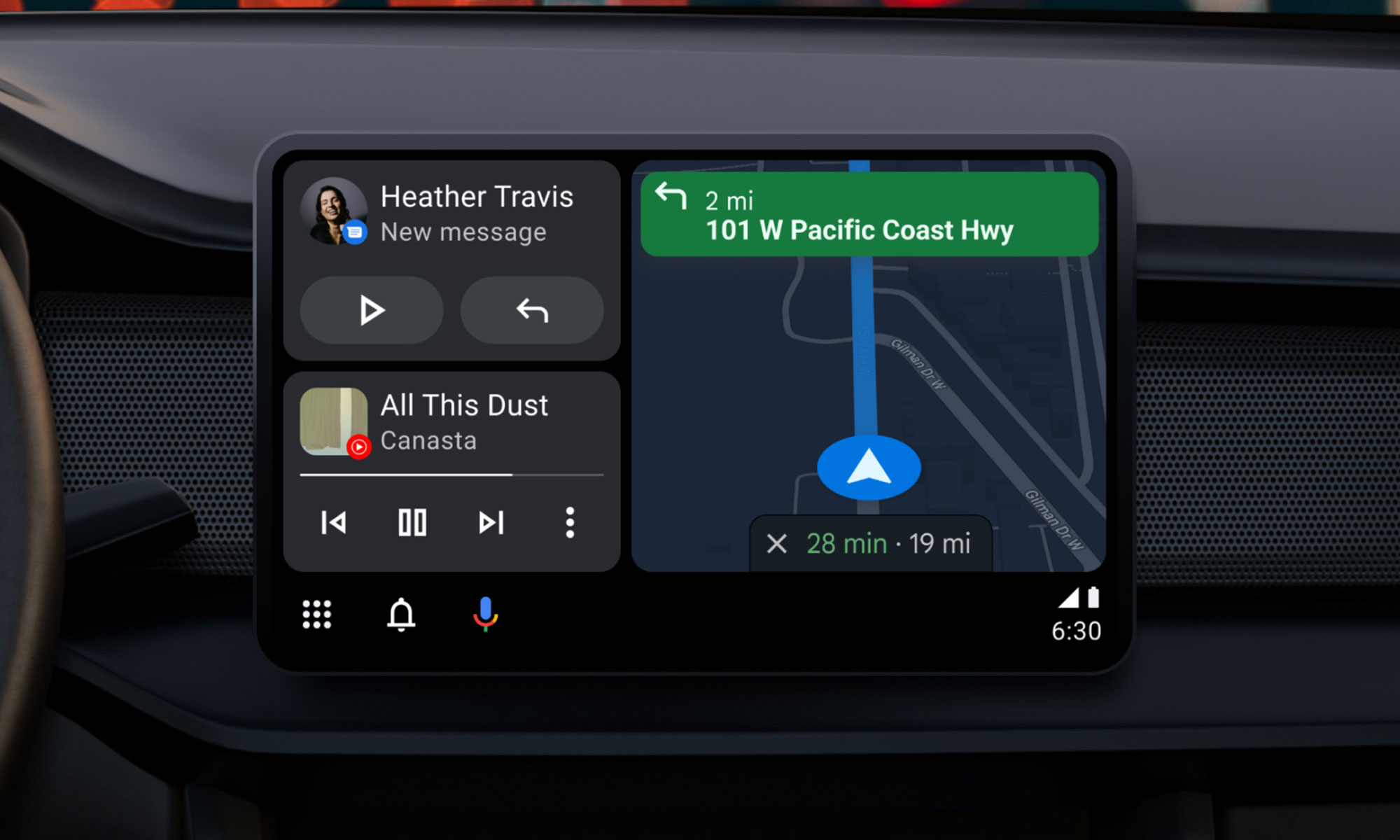
    Google will bring the most recent Android Auto 15.4 update during November, although the company hasn’t spoken anything about it. The most recent version, which was discovered by autoevolution, stands out for remaining in beta for more than a week, which is unusual for Google. The new version is starting to roll out, and sideloading choices are available, but the corporation isn’t offering an explanation.

    The addition of bug fixes that enable Google Pixel 10 devices to connect to Android Auto correctly is one of the most significant changes in 15.4, making this version helpful for people who did not previously have access. Additionally, it seems that this release is aiming toward more significant changes within Android Auto, such as the company’s AI assistant Gemini taking the place of Google Assistant. Following a recent Gemini update that brings some very significant AI features, Google has also been testing new features for Google Maps, including some new color options for users.

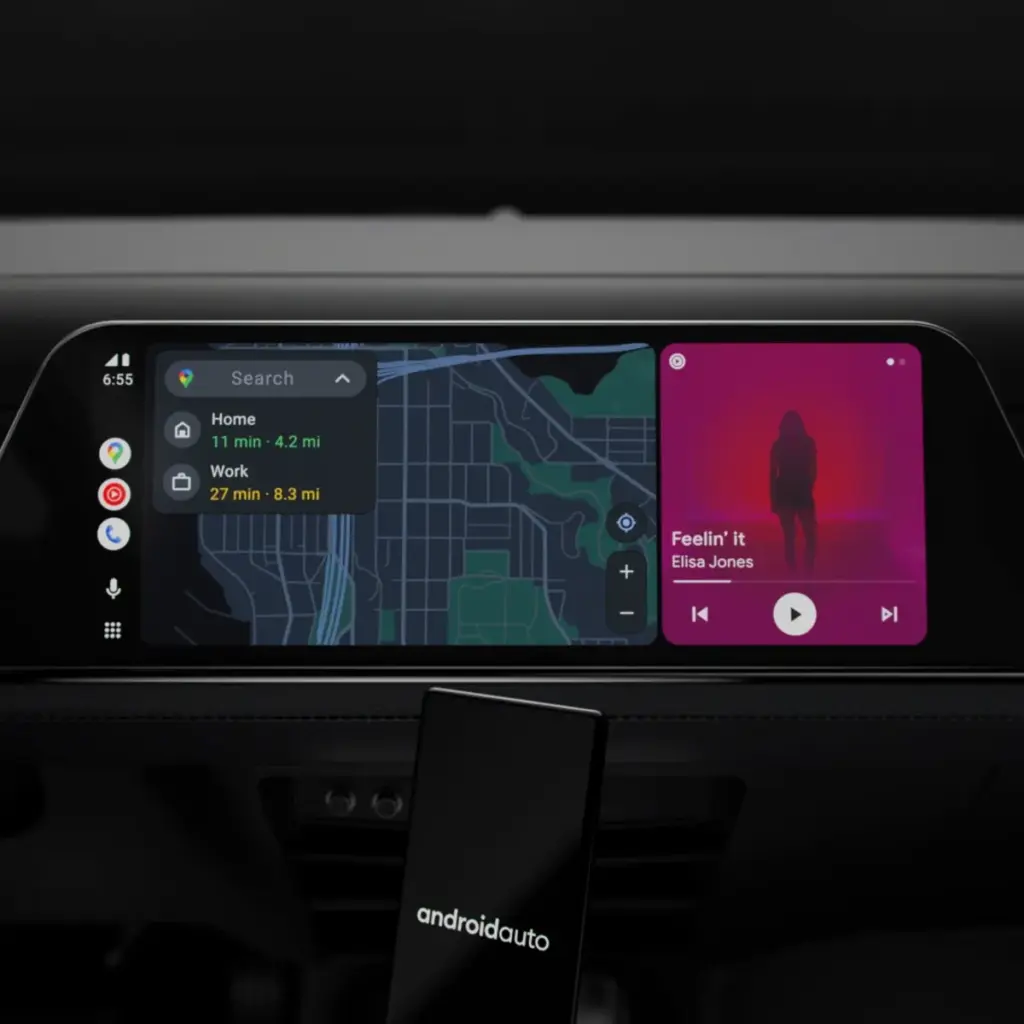
    Users will still be awaiting the new Widgets feature, which borrows from Apple CarPlay by enabling users to install application widgets straight to their infotainment screen, even after the new version arrives. It’s also important to note that this update is released prior to Google preventing some Android phones from getting Android Auto updates.

    Android Auto update

    What to expect in Android Auto 15.4

    Android Auto 15.4 is currently gradually making its way to all Android users after launching in Google’s beta program in October. The APK is available to anyone who is prepared to upgrade manually, but the new update is coming in waves for those who can’t wait. On an Android device, just download the APK from APKMirror, choose the file, and then allow it to install.

    By the end of November, Android Auto 15.4 will be available to individuals who are prepared to wait for the latest version. Unfortunately, Google no longer provides release notes for Android Auto, so we are left in the dark about what’s new. The removal of Google Assistant for the AI assistant Gemini—which is already taking place in some GM cars as the company discontinues CarPlay and Android Auto—as well as the addition of new call notes and a new call screen are among the changes anticipated to occur this year, according to autoevolution.

    There are numerous bug improvements in Android Auto 15.4 for devices that are experiencing trouble connecting to Android Auto, particularly the Google Pixel 10. Additionally, the update enables users to apply the accent colors from their phone’s wallpaper on their infotainment screen. Google Maps allows users with smaller infotainment screens to report on traffic, something that was previously exclusive to users with larger panels. Users can report information about construction, traffic accidents, and speed traps, just like with the well-known Waze app.

  • Oppo ColorOS 16: Release date, new features, and list of eligible devices

    Oppo ColorOS 16: Release date, new features, and list of eligible devices

    Oppo’s ColorOS is the operating system that has produced the most feature-rich Android skins. The user experience is now significantly enhanced by the AI tools. Now, Oppo users are looking forward to the release of ColorOS 16. The most recent version of Android 16 will serve as its foundation. More efficiency, more features. This post will be helpful if you are currently considering an Oppo phone, such as the forthcoming Find X9 series. Additionally, this post will assist you in determining whether your current Oppo phone is eligible for the update. Let’s dissect all the information we require.

    ColorOS 16 release date and rollout

    On October 15, 2025, the ColorOS 16 was most recently announced worldwide. It will make its debut alongside the upcoming Find X9 series. Regarding the current devices, they will also progressively get the update. For devices like the Find X8 Pro, beta versions have already begun to roll out in a number of countries, including Malaysia, Indonesia, and India. Most likely, the stable update will be released on October 30, 2025. However, it won’t be accessible in India right away. It will be initially applied to China’s flagship gadgets. In India, the first stable ColorOS 16 upgrade is anticipated in Q1 2026.

    Therefore, in order to avoid the wait when purchasing a new phone, opt for models that come pre-installed with ColorOS 16.

    ColorOS 16 Features

    We may claim that the core of Oppo’s ColorOS 16 is “Smart & Smooth” performance. Thus, anticipate speedier daily tasks, simpler multitasking, and assistance for content production. This may indicate that you should get an Oppo cellphone running ColorOS 16 if you want AI integration and smoothness over standard Android.

    Performance

    Oppo has concentrated on creating a sense of instantaneity in interactions. This one also uses ColorOS 15’s Parallel Animation, albeit with a minor improvement. Seamless Animation is a new feature in ColorOS 16. Here, your touch point is the natural starting point for gestures and app transitions.

    It is powered by some important technology, such as:

    • Luminous Rendering Engine: Renders visuals in parallel for lag-free animations.
    • Trinity Engine: Optimises resources for gaming and heavy tasks.
    • Tide Engine: Reduces power use (by 13%) and lowers temperature (by 4.1°C).

    Overall, we get faster boot times, smoother app launches and scrolling, and quicker tap responses.

    Ai integration

    Whether you agree or not, AI has made a significant impact. incorporating time-saving and productivity-boosting tools? Bring it on! If you use your phone for artistic or professional purposes, it will be ideal.

    • AI One-Tap Flash Note: Captures and organises notes from documents, videos, or bills. Also, summarises videos into chapters and automates expense tracking.
    • Xiaobu AI Assistant: Offers personalised briefings (weather, tasks, news). Suggestions based on your habits, real-scene dialogues via voice/gestures. Gives portrait lighting for better photos.
    • Productivity suite: AI Recording for transcriptions, AI Writing for drafts (emails, docs), AI Notes for templates. There’s handwriting conversion, and AI Calendar for task timelines too.

    ColorOS 16’s AI improvements are its highlights. Anyone who believes that these AI tools may simplify their life by taking care of routine duties ought to give this operating system a try.

    Additionally, there are some similarities to Google’s Gemini integration. The only difference is that this one is customized for the Oppo environment.

    UI and Customisation

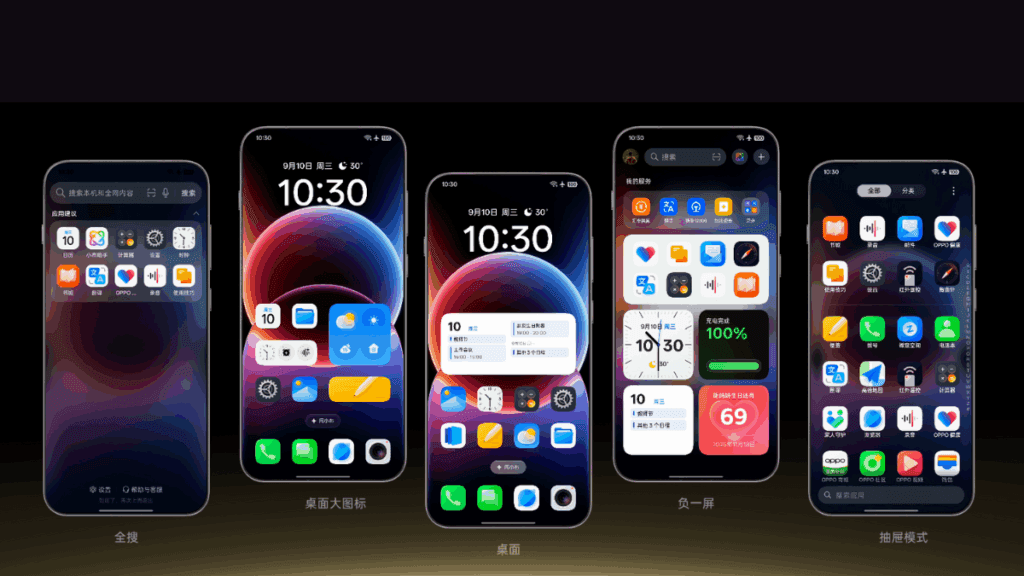
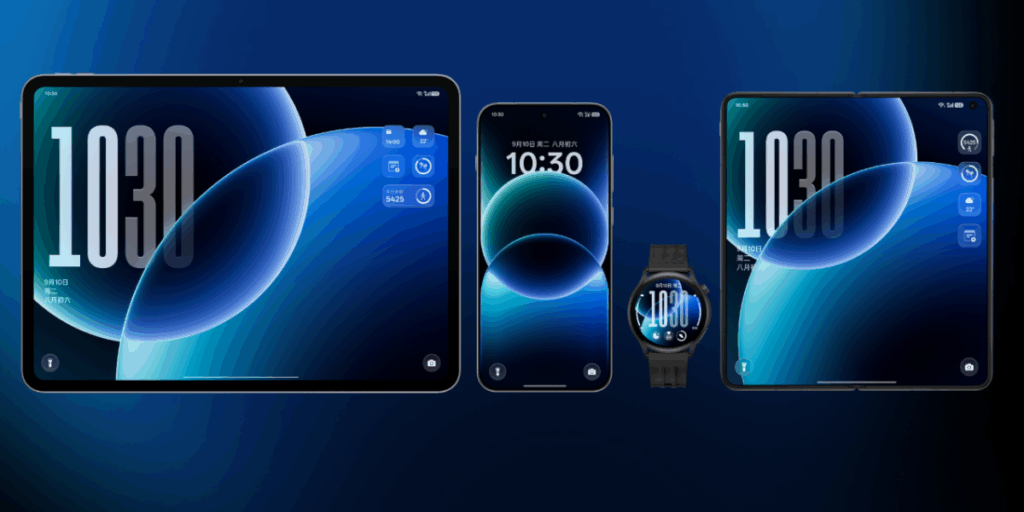
    An OS’s user interface and degree of customization reveal a lot about it. Natural light and shadows served as inspiration for the ColorOS 16. Gradients, halos, and glows are used in the design to create a simple, intuitive appearance.

    coloros 16 ui and customization

    The notable ones are as follows:

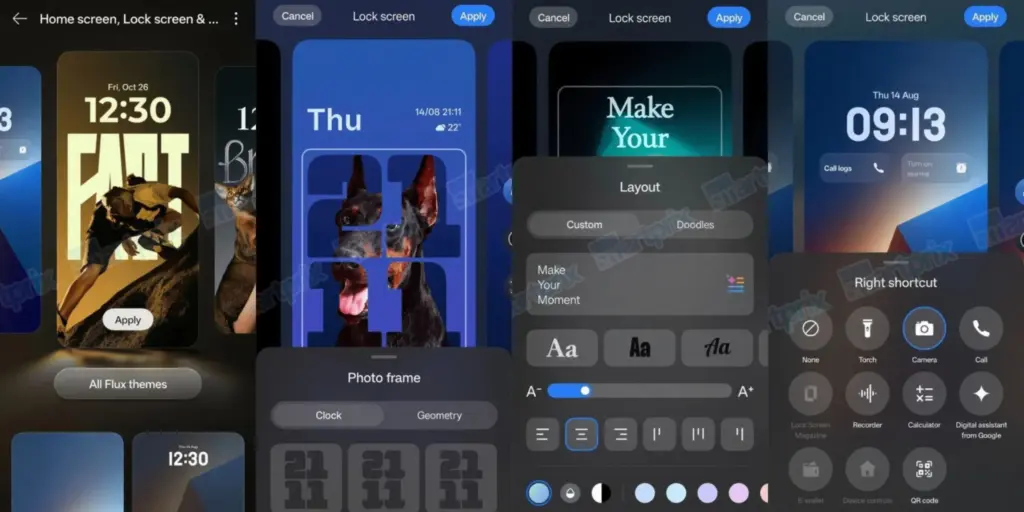
    • Flux Home Screen: Resize icons, folders, and cards dynamically. The layout adapts with fluid animations.
    • Full-Screen AOD: View your wallpaper with key info on the always-on display.
    • Personalisation: AI-generated themes, animated wallpapers from static images, and auto-matching icon colours.

    Compared to many other competitors, these alternatives offer greater versatility if you enjoy playing with the look of your phone.

    Photo and Video Editing

    For people interested in photography, ColorOS 16 upgrades the Photos app with:

    • AI Portrait Glow: Enhances low-light portraits by optimising skin tones.
    • Other AI tools: Eraser, Unblur, and Reflection Remover.
    • Video editing: Master Cut for trimming, music, filters, and adjustments.

    For those seeking effortless photography, some enjoyable settings include slow-motion effects, live collages, and collections of human and pet photos.

    Cross-Device Connectivity

    Seamless integration across ecosystems is a highlight:

    • O+ Connect: Manage files and remote control between phone, Mac, or Windows PC.
    • Screen Mirroring: Cast up to five apps and control with a mouse/keyboard.
    • One-Tap Share: Transfer docs, notes, and more, including health data from Apple Watch.

    Additional benefits include PC-level WPS Office, vehicle connectivity, customizable control center, and floating windows for multitasking.

    There will still be seamless connectivity between your various devices if you have a mixed Apple/Android configuration.

    Which Oppo devices are eligible for ColorOS 16?

    Release PeriodSeries / Models
    October 30, 2025Find N5 series: N5, N5 Satellite Find X8 series: X8, X8s, X8s+, X8 Pro, X8 Pro Satellite, X8 Ultra, X8 Satellite OnePlus 13 series
    November 2025Find N3 series Find X7 series Reno14 series Reno13 series Pad 4 Pro Pad 3 Pro OnePlus 12 Ace 3/5 series Pad Pro
    December 2025Find N2 series Find X6 series K13 Turbo series OnePlus 11 Ace 2 series
    Q1 2026Find X5 series Reno12 / 11 / 10 / 9 series (select models) K13 / K12 series Pad 3 / 2 / SE OnePlus 10 Pro Pad series

    Your device might not get ColorOS 16 if it isn’t listed (for example, if it’s older than Find X5 or Reno9). If you truly enjoy them, you might want to upgrade to the newest features.

    coloros 16 on all devices

    ColorOS 16 vs ColorOS 15

    Since the current OS update isn’t that old, many people wonder if it’s worthwhile to upgrade to the next one. Check out the distinctions between ColorOS 16 and its predecessor ColorOS 15 if you’re experiencing the same confusion:

    AspectColorOS 16ColorOS 15
    Base AndroidAndroid 16Android 15
    AnimationSeamless Animation (touch-point flows, Luminous Engine)Parallel Animation (smooth transitions)
    AI FeaturesAI One-Tap Flash Note, Xiaobu (Briefing, Dialogue, Lighting), AI Writing/Notes/CalendarAI Editor (Clarity, Eraser), AI Toolbox, Gemini Integration
    UI CustomisationFlux Home Screen, Full-Screen AOD, AI themesAesthetic upgrades, smoother icons/widgets
    PerformanceTide Engine (13% less power), Project Breeze for entry-levelSnappy responsiveness, fluid multitasking
    Cross-DeviceO+ Connect (Mac/Windows), 5-app mirroringTouch to Share (iOS), basic multitasking
    Photo/VideoAI Portrait Glow, Master CutAI Eraser/Unblur, basic editing

    For deeper AI and efficiency advantages, especially on older hardware, ColorOS 15 is a worthy upgrade.

    Every Oppo user has been waiting for ColorOS 16’s level of novelty. It combines customization, AI tools, and performance in more than subtle ways. Because of this, it is an appealing option for upgraders or new purchasers. For the complete experience, think about smartphones like the Find X9 if you’re in the market. Or upgrade your current gadget to make it last longer. Keep checking back here for more information about devices that qualify.

  • Samsung confirms free AI upgrade for all Galaxy phones running OneUI 8

    Samsung confirms free AI upgrade for all Galaxy phones running OneUI 8

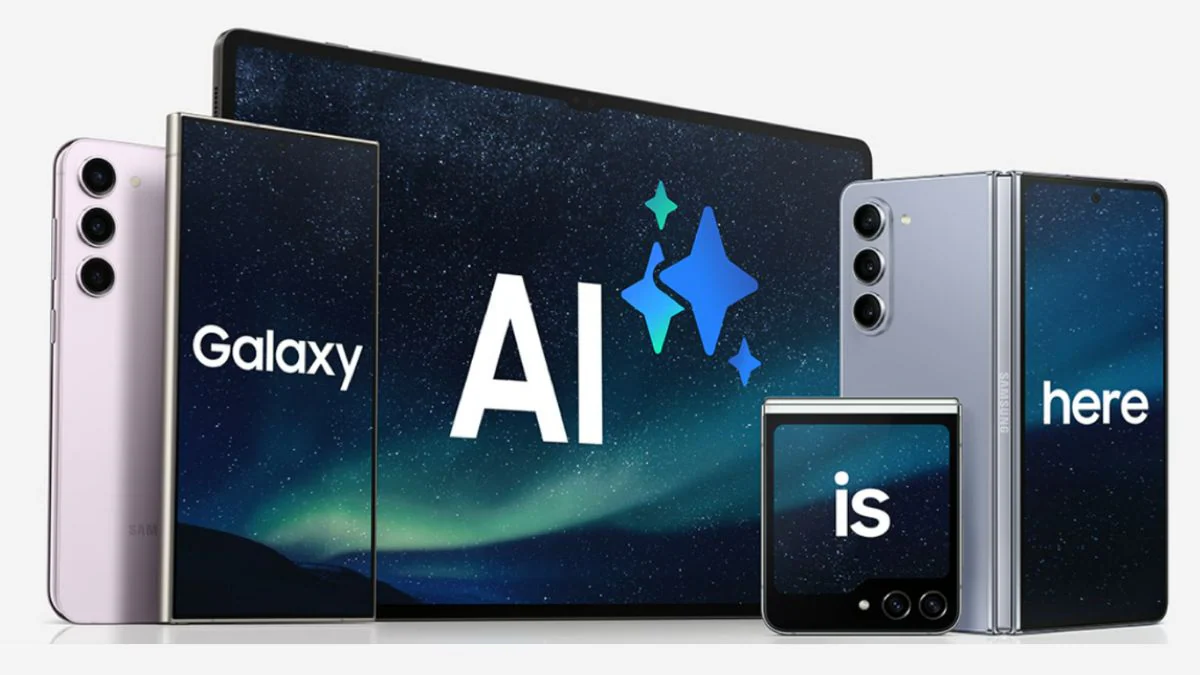
    Samsung is already rolling out One UI 8, its version of Android 16, to all Galaxy phones that support it, but the upcoming major update may be much more important.

    At least four new Galaxy AI functions may be included in One UI 8.5, according to a report from the Korean website ETNews.

    But you may have to wait a long time. The Galaxy S26 series phones are expected to get OneUI 8.5 in January or February 2026, with a broader rollout to follow in the coming weeks and months.

    They would be the first new Galaxy AI features in more than a year, if that is the case. Here is what you have to look forward to.

    Samsung confirms free AI

    Meeting assistant

    Has somebody ever met with you using a language you don’t understand? I’m not referring to ROIs and KPIs, though Galaxy AI might be able to assist you with that as well—a real foreign language.

    Meeting Assistant was created with certain situations in mind. Theoretically, it can identify what is being spoken, precisely transcribe it, and then translate it in real time into your target language. If all goes according to plan, this may be quite helpful in some meetings, as well as in situations like interviews and press conferences, if you connect headphones.

    Touch assistant

    Similar real-time translation capabilities are provided by Touch Assistant, but only for text that is displayed on the screen. You can choose to translate a passage of text by simply selecting it as though you were going to copy it.

    Although it’s unclear exactly what this means, ETNews claims that Touch Assistant also “organizes it for easy reading.”

    Smart clipboard

    You can move text without being restricted to the most recent item you copied by using the clipboard feature, which is available through the Samsung Keyboard.

    By employing AI to recommend actions for any material that shows up, Smart Clipboard seeks to improve this. For instance, you could want to add particular words or phrases to your favorites, summarize a lengthy text section, or translate anything that isn’t in your system language.

    Social composer

    Do you like sharing content on Instagram but find it difficult to think of a clever caption? Social Composer can assist you.

    It can analyze your uploaded photos, identify the people or things in them, and then provide a variety of textual descriptions about them. Along with a more thorough description and even links to any products it recognizes, this can also include a caption.

    A big Galaxy AI leap for free?

    Whether all of these capabilities will be available on One UI 8.5 in the format ETNews has outlined is still up in the air.

    It could, however, significantly improve the Galaxy AI experience on your phone. Will it be able to match the Google Pixel phones’ Gemini-powered experience? We’ll find out in time.

    Additionally, Galaxy AI might not always be free, even though Samsung has not indicated that it will charge for certain services.

  • Nothing OS 4.0 open beta launched with AI app-building features

    Nothing OS 4.0 open beta launched with AI app-building features

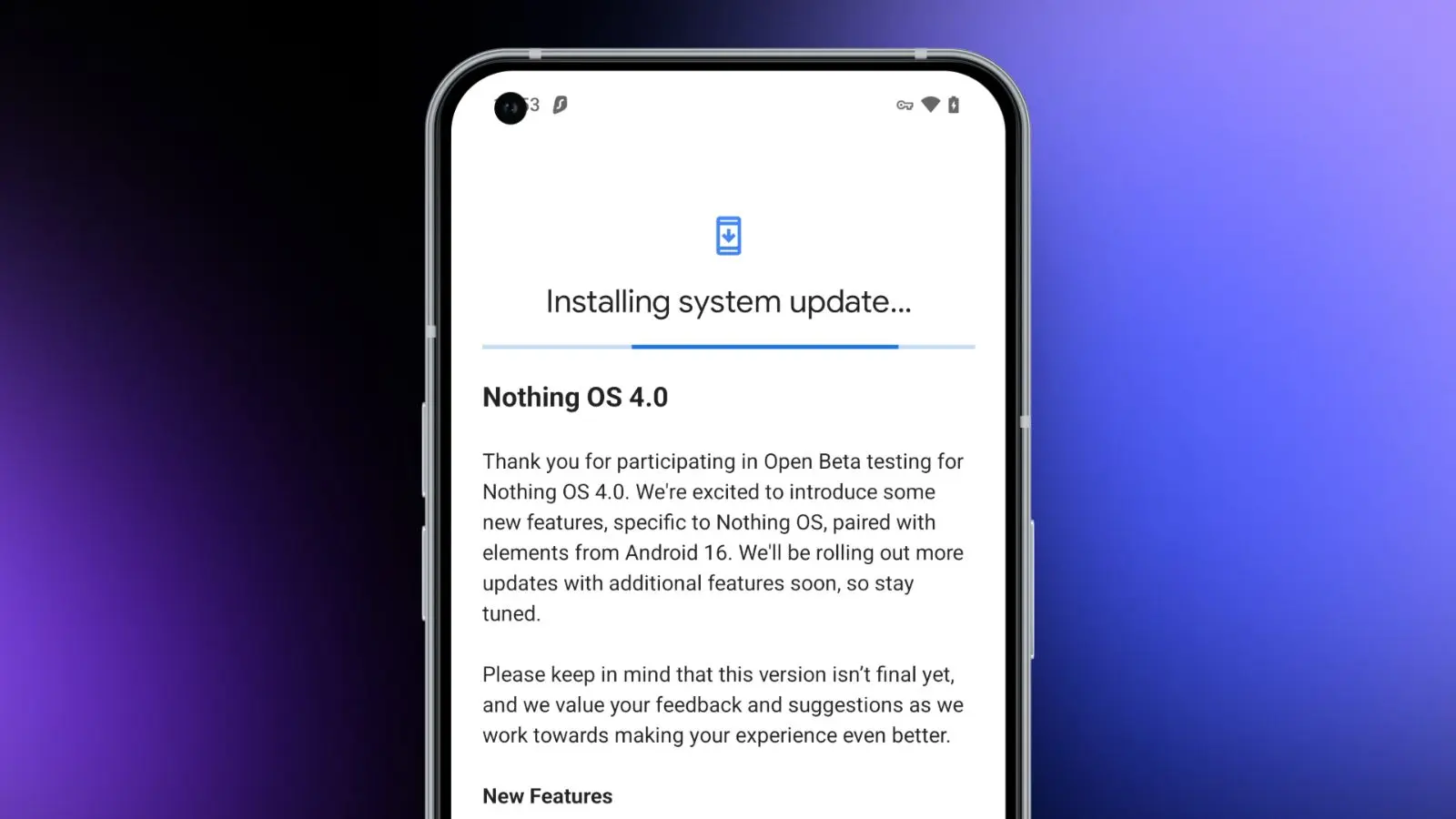
    Today, we need to discuss a few significant news from Nothing. First, for those who own a Nothing phone and would like to try out Android 16 before it becomes stable, Nothing has made the Nothing OS 4.0 Open Beta (Android 16) available. The other news relates to that since it presents the Playground and Essential Apps, both of which require additional explanation. In summary, Nothing came up with a really great idea.

    Download the Nothing OS 4.0 Open Beta:

    Let’s start with Nothing OS 4.0, which is now in beta testing. To obtain this, you must have a Phone 3 or any of the Phone 2 and 2a versions. You might be out of luck right now if you own a Phone 3a device, as they haven’t mentioned them yet.

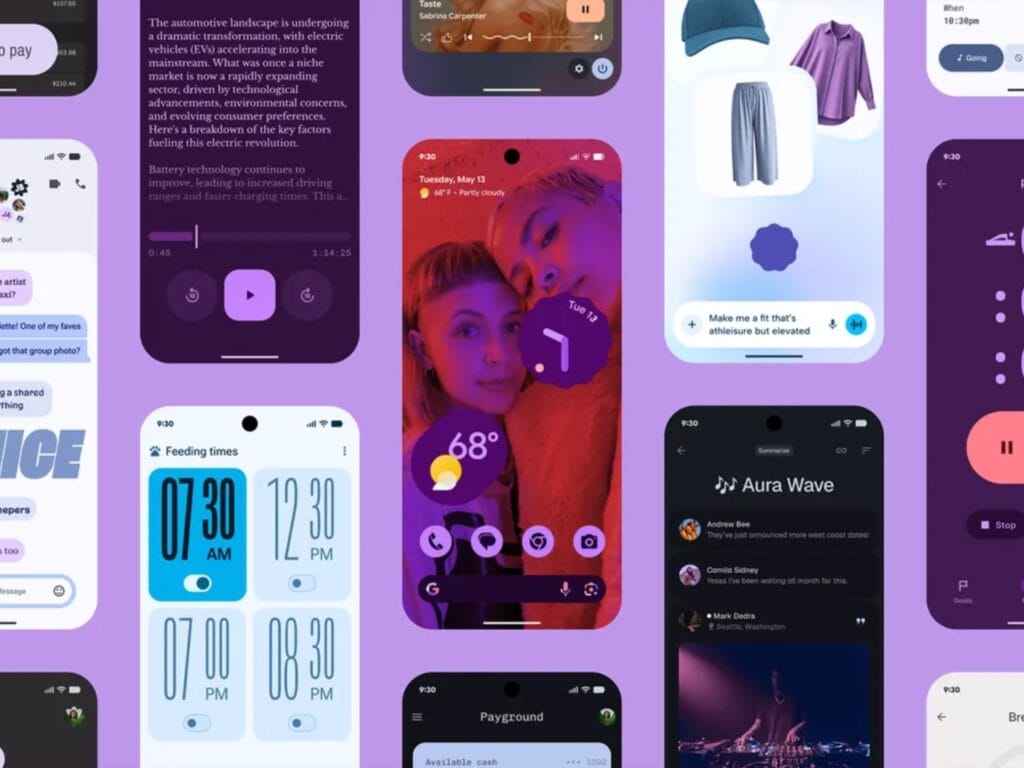
    There are a number of changes in the Nothing OS 4.0 beta, all of which we’ve detailed in this post. It includes “generic” enhancements like a more sophisticated design, an additional dark mode, enhanced app optimization, and a better photography experience. Nothing also mentioned two new lock screen clock faces, a new Pop-up View, and support for 2×2 Quick Settings tiles in today’s announcement.

    Nothing OS 4.0 open beta launched

    Installing the Nothing Beta Updates app, joining the beta through it, and then installing the beta software are the largely straightforward steps to begin, providing you enjoy testing beta software.

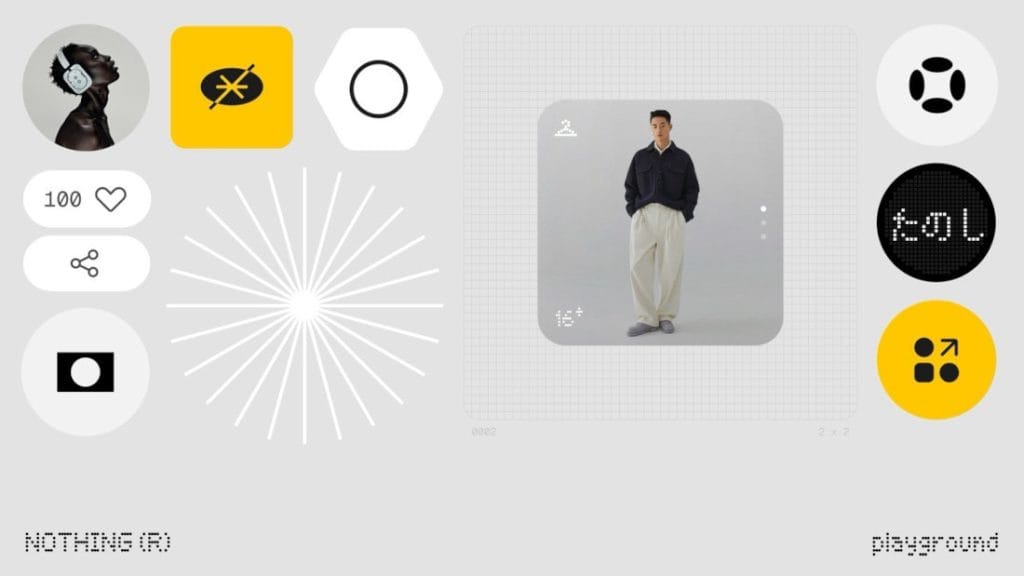
    Nothing Essential Apps and Playground: In other exciting news, Nothing has introduced the Playground and Essential Apps that are housed within it since we enjoy fresh concepts. If your Nothing device is running Nothing OS 4.0, you can install programs, Glyph Toys, camera settings, and EQ profiles from the Playground, which is effectively a community storefront. Even while you might not find that concept particularly novel or intriguing, the apps and their origins may be.

    Nothing has developed a web gateway that lets you make your own programs that your Nothing phone may install as widgets. You go to the Nothing Playground website (here) and try to explain a phone app you want. To put it another way, you would be describing a widget that isn’t currently on your device but may be a helpful program or action. This Playground site’s AI will install it on your device if it is capable of doing so.

    You only need an idea that you can clearly express in a prompt that AI could grasp and then develop from, as this is all happening from AI prompts. You don’t need to know how to code to accomplish this. But in case you were curious, you can see the code it spits out. All of this is a sort of early “alpha” with some obvious restrictions. There has been no indication that it will grow and incorporate agents, APIs, and integrations in the future, which should make this something really amazing.

    A Tic Tac Toe app, an F1 timetable, a water intake tracker, a flight reminder, a solar clock, a small calculator, and a breathing tracker are a some of the apps that are now available on the Playground. You may already have some of those features from other apps, but the idea is that you may think of something useful at the time and instruct the Playground to create it. In only a few minutes, that might be on your home screen and be usable. That is a significant idea.

    You will be able to download other members’ apps and share your own publicly on the Playground to completely increase the number of apps and ideas available.

  • Honor Magic 8 revealed: sleek design and Snapdragon 8 Elite Gen 5 confirmed

    Honor Magic 8 revealed: sleek design and Snapdragon 8 Elite Gen 5 confirmed

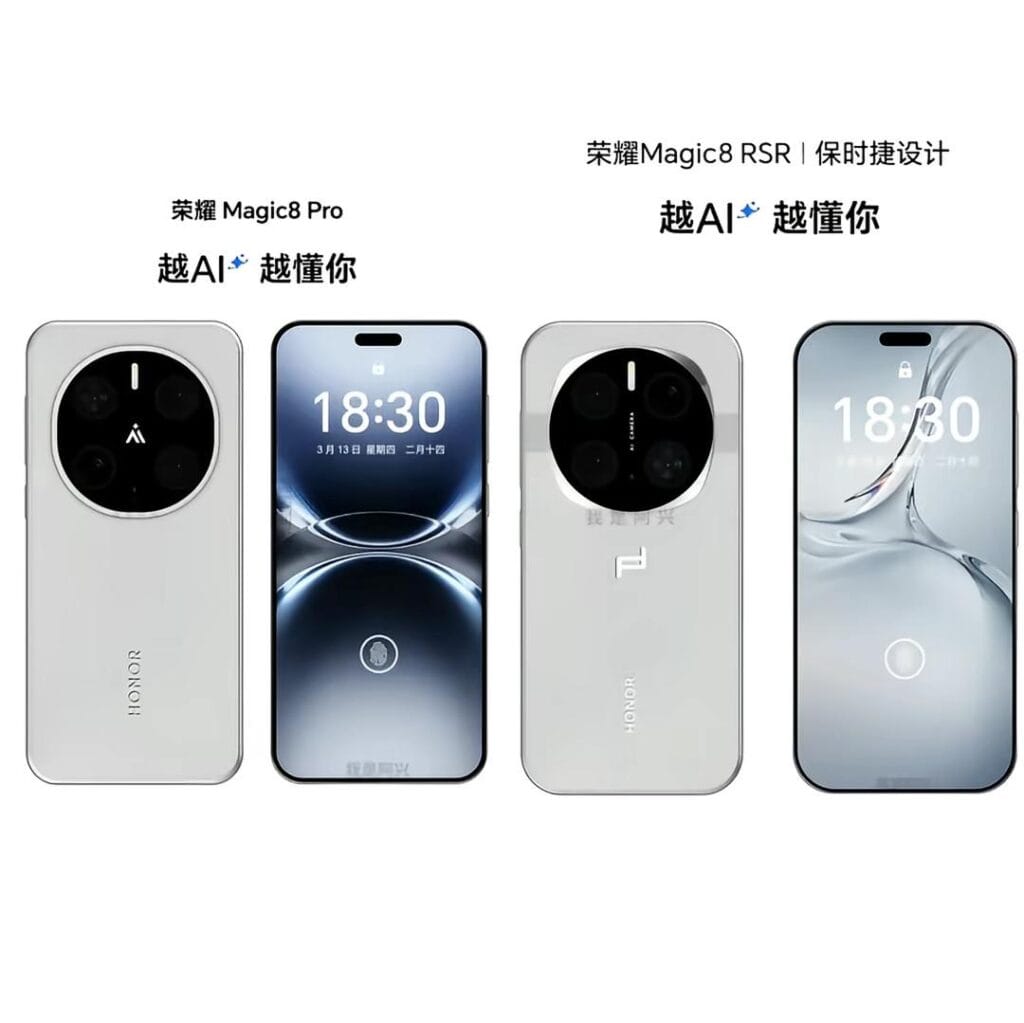
    With a 200-megapixel back camera, the Honor Magic 8 series is anticipated to make its debut in October, according to a previously rumored launch schedule and camera configuration. One of the main features of the phone has now been revealed by the corporation. Qualcomm’s new Snapdragon 8 Elite Gen 5 CPU, which was revealed on Wednesday, will power it. The Honor Magic 8’s design has also been made public and is consistent with earlier leaks. The business is anticipated to make an announcement shortly on the launch date of its upcoming flagship devices.

    Honor Magic 8 revealed

    Design and Specifications of the Honor Magic 8 Series (Anticipated)

    The Honor Magic 8 series will be powered by Qualcomm’s top Snapdragon 8 Elite Gen 5 chipset, the Chinese smartphone manufacturer said shortly after the unveiling of the flagship chip. However, it won’t be the first phone with the Snapdragon 8 Elite Gen 5 to be released in China. On Thursday, the Xiaomi 17 series of smartphones—which will rival Honor’s next phones—will make their Chinese premiere.

    The pictures imply that the Honor Magic 8 series phone may have a metal frame and narrow bezels. Additionally, there are buttons for volume control and power on the right side. It’s interesting to note that one of the pictures also features a brand-new button that is flushed inside the frame. It looks a lot like the Camera Control button that Apple debuted with the iPhone 16 series. The Verge received confirmation from the business that this will be a dedicated AI button.

    According to a Weibo post by tipster Digital Chat Station, the Honor Magic 8 will have a rear-facing camera lens with an f/1.9 aperture. The focal length of the ultrawide lens is reportedly 12 mm, whilst the focal length of the 3x periscope sensor may be 72 mm. For unlocking the phone, it may have a 3D ultrasonic fingerprint sensor. Like its predecessor, it might also have an IP68 classification for protection to water and dust.

    According to recent sources, the normal Magic 8, Magic 8 Mini, Magic 8 Pro, and Magic 8 Max may all be part of the Honor Magic 8 series. But according to reports, only two of the lineup’s models will go on sale in mid-October. The Magic 8 Pro and Magic 8 Max may have 6.7-inch and 6.9-inch screens, respectively, while the normal Honor Magic 8 model may have a 6.58-inch display.

  • Xiaomi confirms HyperOS 3 rollout with Android 16: full schedule and device list

    Xiaomi confirms HyperOS 3 rollout with Android 16: full schedule and device list

    A complete list of devices and a schedule are already available, and Xiaomi’s Android 16 update is official. HyperOS 3 is scheduled to launch in October.

    Xiaomi’s Android skin receives a few new improvements from HyperOS 3, including:

    Xiaomi claims you won’t have to wait long, so there’s a good deal to look forward to.

    In October, HyperOS 3 will begin to roll out on the Xiaomi 15T series, with the Xiaomi 15 following shortly after. After that, the rollout lasts until March 2026. The following is Xiaomi’s schedule, which may change over time.

    Xiaomi HyperOS 3 (Android 16) Rollout Schedule

    October/November 2025

    Phones

    • Xiaomi 15T Pro
    • Xiaomi 15T
    • Xiaomi 15 Ultra
    • Xiaomi 15
    • Xiaomi MIX Flip
    • REDMI Note 14 Pro+ 5G
    • REDMI Note 14 Pro 5G
    • REDMI Note 14 Pro
    • REDMI Note 14
    • POCO F7 Ultra
    • POCO F7 Pro
    • POCO F7
    • POCO X7 Pro Iron Man Edition
    • POCO X7 Pro
    • POCO X7

    Tablets

    • Xiaomi Pad Mini
    • Xiaomi Pad 7 Pro
    • Xiaomi Pad 7

    Wearables

    • Xiaomi Watch S4 41mm (Available now)
    • Xiaomi Smart Band 10 Glimmer Edition (Available now)
    • Xiaomi Smart Band 10 Ceramic Edition
    • Xiaomi Smart Band 10

    November/December 2025

    Phones

    • Xiaomi 14 Ultra
    • Xiaomi 14
    • Xiaomi 14T Pro
    • Xiaomi 14T
    • REDMI Note 13 Pro
    • REDMI 15
    • REDMI 14C
    • REDMI 13
    • REDMI 13x
    • POCO F6 Pro
    • POCO F6
    • POCO X6 Pro
    • POCO M7
    • POCO M6 Pro
    • POCO M6
    • POCO C75

    Tablets

    • Xiaomi Pad 6S Pro 12.4
    • REDMI Pad 2 Pro 5G
    • REDMI Pad 2 Pro
    • REDMI Pad 2 4G
    • REDMI Pad 2

    December 2025 through March 2026

    Phones

    • Xiaomi 13 Ultra
    • Xiaomi 13 Pro
    • Xiaomi 13
    • Xiaomi 13T Pro
    • Xiaomi 13T
    • Xiaomi 13 Lite
    • Xiaomi 12 Pro
    • Xiaomi 12
    • Xiaomi 12T Pro
    • POCO F5 Pro
    • POCO F5
    • POCO X6
    • POCO M7 Pro 5G
    • POCO C85
    • REDMI Note 14 5G
    • REDMI Note 145
    • REDMI Note 13 Pro+ 5G
    • REDMI Note 13 Pro 5G
    • REDMI Note 13 5G
    • REDMI 15 5G
    • REDMI 15C 5G
    • REDMI 15C

    Tablets

    • REDMI Pad Pro 5G
    • REDMI Pad Pro
    • REDMI Pad SE 8.7 4G
    • REDMI Pad SE 8.7
    • POCO Pad
  • Get the Samsung Galxy S25 Edge with a great discount now!

    Get the Samsung Galxy S25 Edge with a great discount now!

    Although the Galaxy S25 Edge is extremely thin, it costs a lot of money. Thankfully, Amazon recently introduced a fantastic promotion that significantly reduced the price of the 256GB model in Titanium Silver. It is currently on sale for $271 off, saving you 25% off its MSRP of approximately $1,100.

    Samsung Galaxy S25 Edge

    6.7″ LTPO AMOLED 2X, 120Hz, 480Hz PWM, HDR10+, 3120x1440px Quad HD+, Android 15, up to 7 major Android upgrades, One UI 8

    $839.95$687.92Amazon

    Even though Prime Day reduced the price even further, neither Best Buy nor the Samsung Store now have a better offer. In other words, this is your opportunity to receive a significant discount on this potent Samsung phone if you were unable to take advantage of last month’s sale.

    Samsung Galxy S25 Edge

    And it’s powerful – with a Snapdragon 8 Elite for chip, it offers lightning-fast performance. Although it doesn’t outperform the Galaxy S25+ in benchmark tests, it is incredibly responsive and fast. Additionally, your daily interactions become much more pleasurable with the abundance of Galaxy AI capabilities available.

    This Android phone boasts a stunning 6.7-inch Dynamic AMOLED 2X display in addition to outstanding performance. Its adaptive 120Hz refresh rate ensures buttery smooth scrolling, vibrant colors, and extreme brightness. However, the Ultra is still the only vehicle with Corning Gorilla Armor, a unique anti-reflective coating.

    In addition, the S25 Edge‘s 200MP primary and 12MP ultra-wide cameras on the back produce stunning images. Images with outstanding dynamic range, superb resolution, and very accurate colors are to be expected.

    When you combine it with the seven-year software support guarantee, you’re looking at one of the top Samsung phones for 2025. Even with 25% down, the S25 Edge is still quite expensive, but it offers a lot for the money. Therefore, now is a wonderful time to act if you’re prepared to make the investment.

    Samsung Galaxy S25 Edge

    6.7″ LTPO AMOLED 2X, 120Hz, 480Hz PWM, HDR10+, 3120x1440px Quad HD+, Android 15, up to 7 major Android upgrades, One UI 8

    $839.95$687.92Amazon