Category: Devices

Stay updated on new releases, performance benchmarks, and features of Android devices.

  • Huawei Mate 80 Pro Max debuts with impressive new innovations – review

    Huawei Mate 80 Pro Max debuts with impressive new innovations – review

    Thanks to some of its most cutting-edge features, the Huawei Mate 80 Pro Max is one of the greatest flagship smartphones of 2025. No, we’re talking about the unique features that are worth your consideration rather than the ultimate specs!

    With the Mate 80 Pro Max and its state-of-the-art features, Huawei has addressed every issue, including performance and photography. Let’s examine each of these attributes of the new flagship in greater detail.

    Design: the best look!
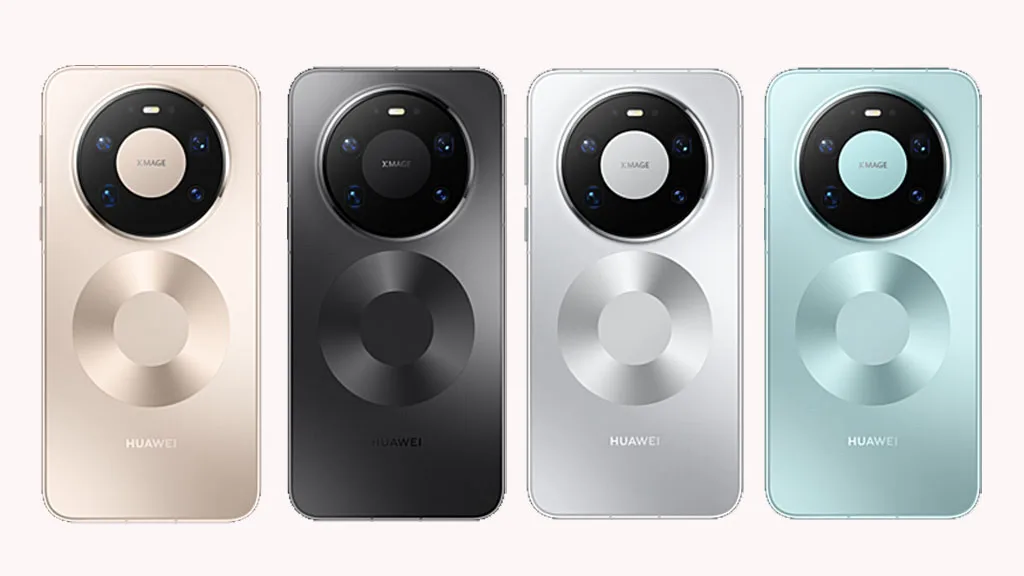
    Mate 80 Pro Max colors and design

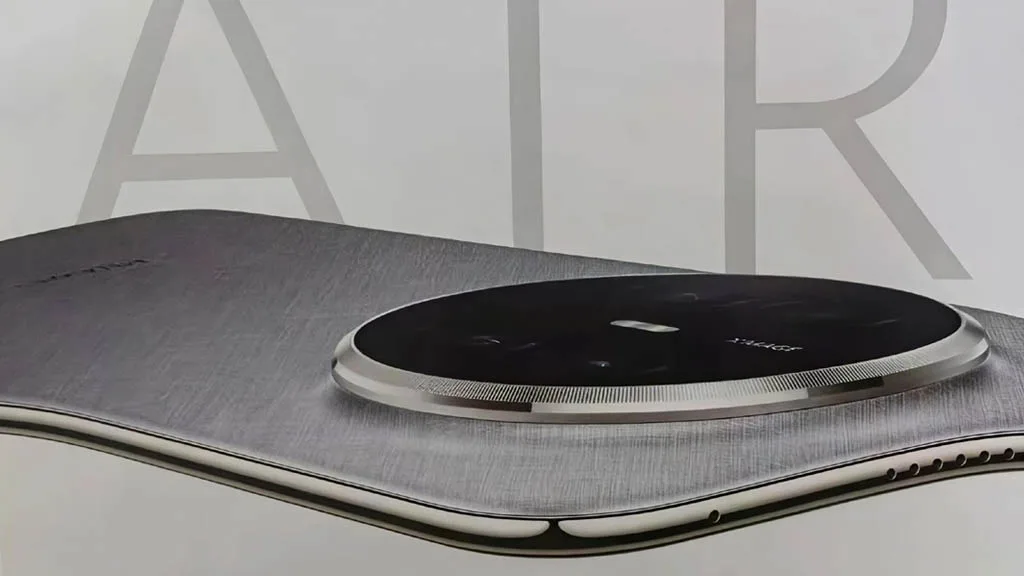
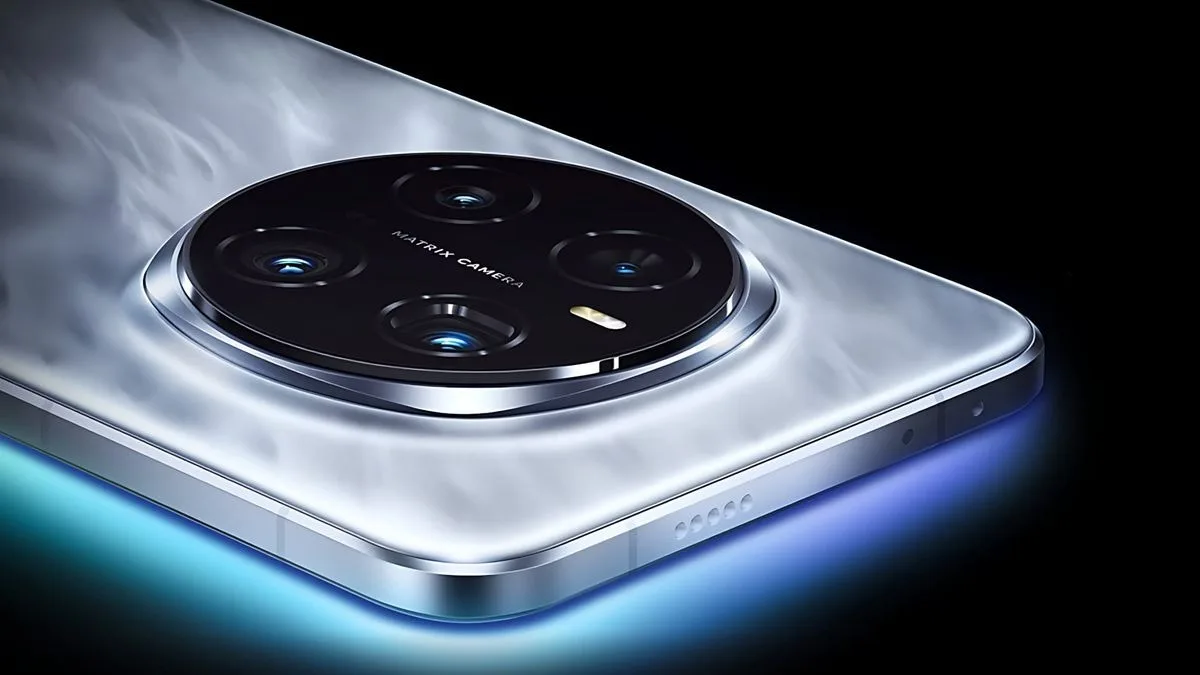
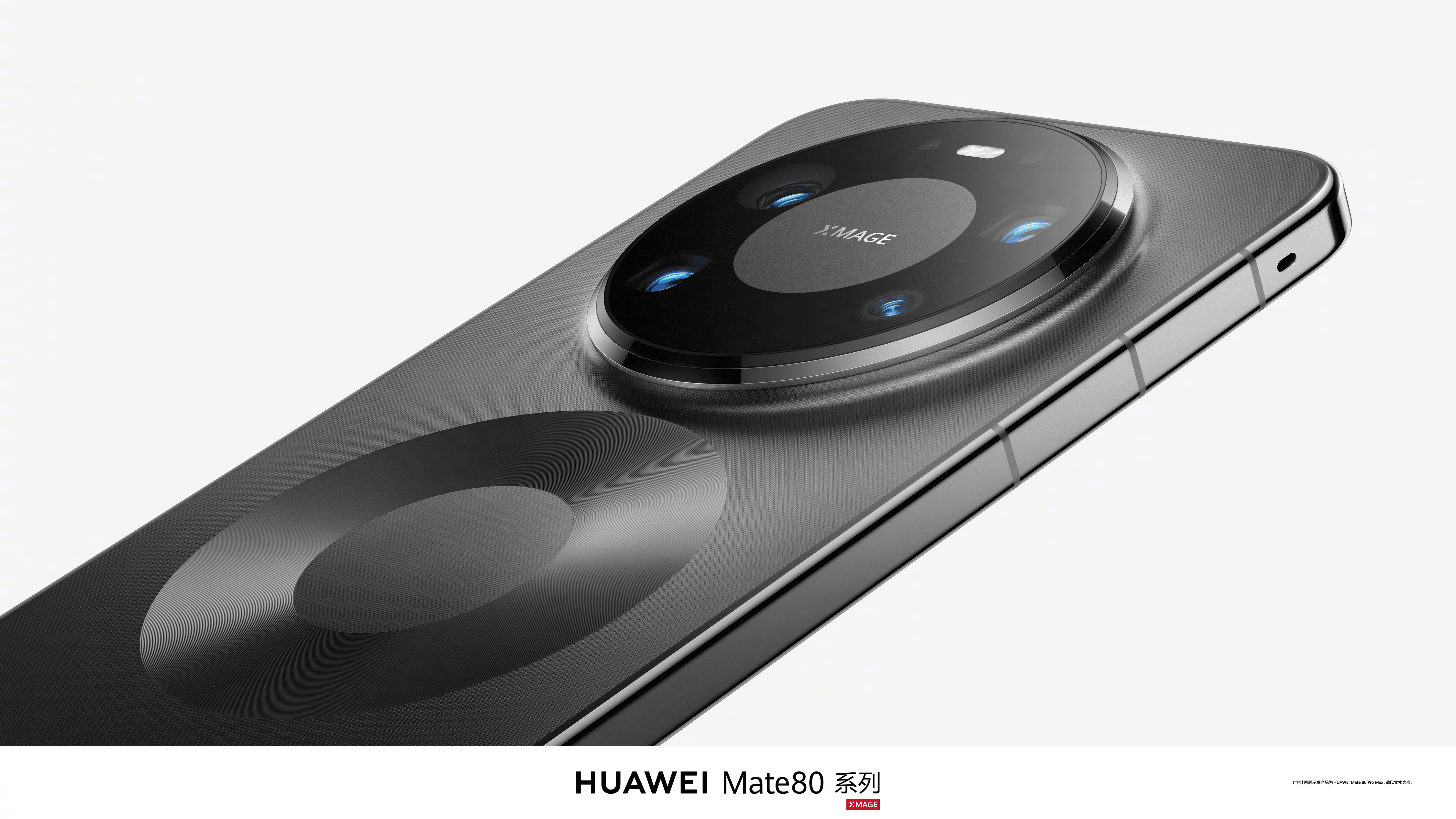
    Are you tired of the same old circle camera design on the back? The Mate 80 Pro Max has an infinite appearance because the manufacturer recognizes your feelings.

    This specific design strategy alludes to the new smartphone’s limitless, remarkable features. In order to highlight the device’s name and make it seem more auspicious, it also reflects the number “8.” It’s amazing how MATE is integrated into the lens architecture.

    In the meantime, your smartphone’s all-metal body guarantees that it will be safe and secure throughout its life, regardless of any drops, water falls, or scratches.

    Screen: Brightness like never before
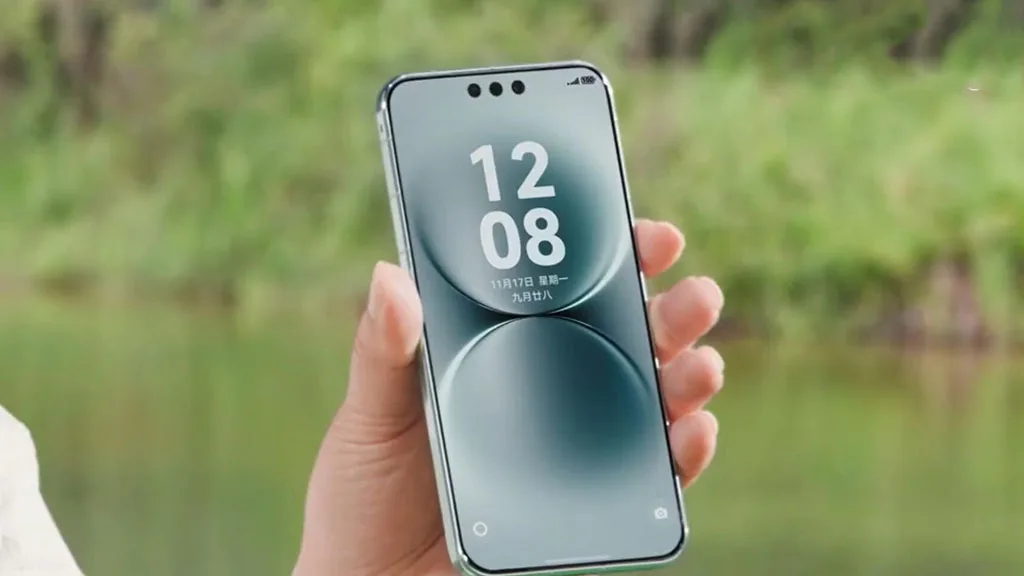
    Huawei Mate 80 Pro Max screen

    The screen of the Mate 80 Pro Max is the result of some unique work by Huawei. In contrast to previous Mate phones, the 2025 model has a dual-layer OLED panel that lowers battery usage while also increasing brightness.

    What’s unique, though? This time, it’s the maximum brightness, which is 8000 nits. The Mate 80 Pro Max is the first phone with this level of brightness, outperforming the iPhone 17 Pro Max and Galaxy S25 Ultra and establishing a new standard for premium models in 2026.

    When watching videos or playing games, the screen eventually stays clear even in direct sunshine, and the content’s colors are crisp and vibrant.

    Celia AI – the AI assistant
    Huawei joined the smartphone market with its Celia AI assistant, competing with Gemini and Siri. It is now a human friend with certain dynamic capabilities rather than an artificial intelligence model.

    With just a single utterance, you can now use Celia’s AI assistant to order new products, place restaurant orders, book flights, and perform a number of other tasks.

    Tell Celia, for example, if you want to order an outfit or something to eat while playing your favorite game. Additionally, it will take you straight to the payment stage. You can complete the transaction without exiting the game, so don’t worry. Additionally, the app will use your voice to verify the payment.

    Connectivity: weak signals become a thing of the past

    With antenna breaks on all four sides of the frame (the phone’s rear panel), this would likely be the first gadget. What does that signify? The device will provide seamless communication regardless of how you handle it.

    Apps like Beijing Metro Line 10, which gained popularity because to its poor signal, now offer lag-free, uninterrupted video playback. Users may even monitor the weather without internet access thanks to dual-satellite connectivity.

    Three barriers can be penetrated and 13 kilometers can be covered via 700MHz wireless communication. As a result, you can communicate with other users even in places where there is absolutely no service.

    With its outdoor mode, the Huawei Mate 80 Pro Max’s battery lasts for 14 days. Hiking tracks for some well-known routes can be recorded, imported, or even downloaded with its assistance. Additionally, you identify the rising trend and indicate risk appropriately.

    Camera – top tier
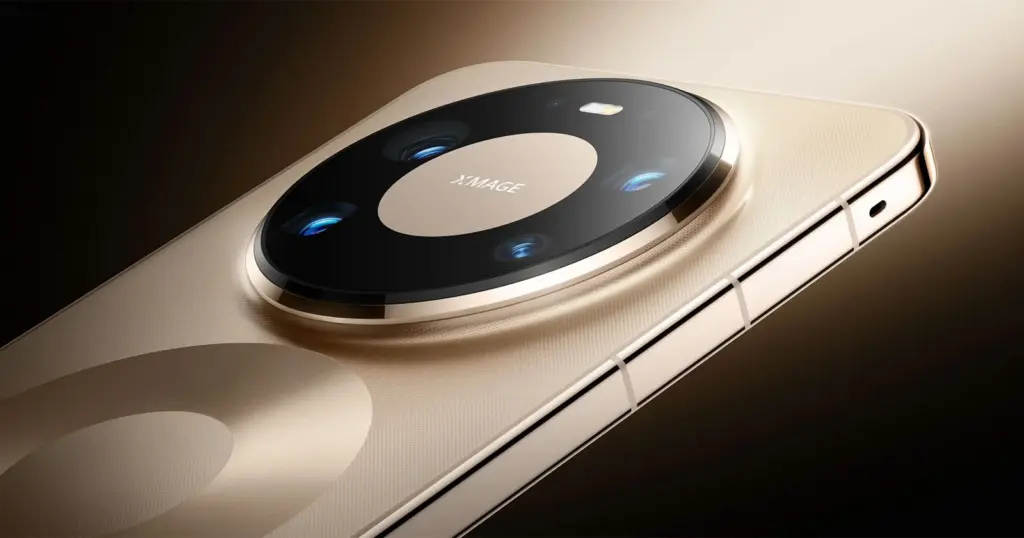
    Huawei Mate 80 Pro Max camera

    Mate phones are not so much imaging devices as they are performance-based ones. However, Huawei has perverted this theory this time. With five potent sensors, including the second-generation multispectral lens, the Mate 80 Pro Max boasts an amazing camera package.

    The gadget features a 50MP ultra-high dynamic primary camera, a 40MP ultrawide angle camera, a 50MP super-focus macro telephoto lens, a 50MP super telephoto sensor, and an improved multispectral lens for legendary image and video capture.

    The new multispectral camera increases color reproduction accuracy by 43% when paired with the 9th-generation ISP. They are more colorful than ever, regardless of whether the photo needs to be taken underwater, in strong light, or in a gloomy environment.

    Thus, these are the incredible qualities of the Huawei Mate 80 Pro Max that truly need your consideration. To improve the overall user experience, additional features include 5A Speed and smart grip.

  • Xiaomi 17 Ultra Leica Leitzphone Edition was listed in GSMA database

    Xiaomi 17 Ultra Leica Leitzphone Edition was listed in GSMA database

    Xiaomi seems to be advancing its long-standing collaboration with German optics behemoth Leica as the battle for flagship smartphones with cameras gets more intense every day. A fresh item found in the IMEI database indicates that the company is working on a far more ambitious project, despite the fact that leaks on the basic version of the Xiaomi 17 Ultra have recently dominated tech news. Known as the “Leica Leitzphone powered by Xiaomi,” this new model distinguishes out as a limited edition designed to combine performance and luxury in mobile photography.

    Xiaomi 17 Ultra comes in 2 variants

    Recently, the first specific details about the Xiaomi 17 Ultra series surfaced. The first variation was identified as having the product number “2512BPNDAG,” and it was found that this device’s internal codename is “P1.” It is anticipated that this model will be made available as the series’ standard “Ultra” model. The really intriguing change, though, was the addition of a second variation with a whole new naming structure to the IMEI database.

    The model number of the recently discovered record is “25128PNA1G,” and the device’s internal codename is “P1S.” Here, the “S” suffix is believed to stand for terms like “Special.” The marketing name for this model is specifically stated as “Leica Leitzphone powered by Xiaomi” in the GSMA records. This suggests that Xiaomi may use the more prestigious “Xiaomi 17 Ultra Leica Leitzphone Edition” or “Xiaomi 17 Ultra Leica Edition” to launch this device.

    This naming has a long history. Ernst Leitz, the man who founded the Leica brand, is the source of the name “Leitz.” Perfectionism in optical engineering is exemplified by the Leitz family, a legend in the field of photography. A global “Leitzphone” initiative with Xiaomi might be Leica’s largest step in the mainstream flagship market, even though the company already produces a “Leitz Phone” series (the most recent being the Leitz Phone 3) carrying its own brand in the Japanese market through a partnership with Sharp. Combining Leica’s optical history with Xiaomi’s manufacturing prowess could produce a gadget that revolutionizes smartphone photography.

    New camera setup

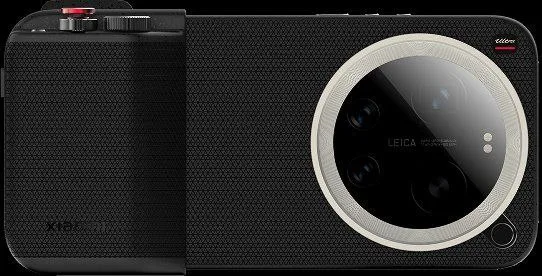
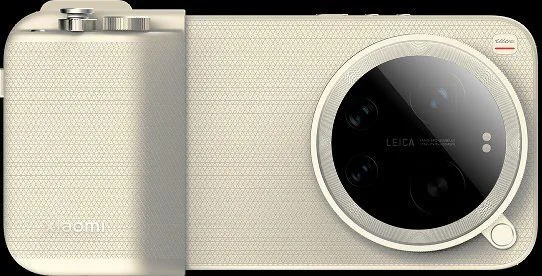
    The back camera arrangement of the device is clearly visible in leaked photos of the “Photography Kit,” dispelling earlier reports of a “quad-camera” configuration. The pictures show that the Xiaomi 17 Ultra will have three cameras rather than four. It is noted that where the fourth lens would normally be, a unique sensor region or space has been left in the module design.

    Xiaomi 17 Ultra Leica Leitzphone Edition was listed in GSMA database

    This suggests that Xiaomi is concentrating on improving the quality and sensor sizes of the current lenses rather than producing more lenses. The following is a list of the sensor setups evaluated under the codename “Nezha”:

    • Main Camera: 50MP OVX10500U (also known as OV50X)  sensor.
    • Telephoto: 200MP S5KHPE
    • Ultra Wide Angle: 50MP OV50M or 50MP S5KJN5.
    • Front Camera: 50MP OV50M

    The switch to a triple camera arrangement is thought to have been an engineering decision made especially to accommodate the larger primary sensor and the enormous 200MP telephoto sensor. A special grip and filter adaptor that converts the device’s ergonomics to that of a DSLR camera also seems to be included in the leaked photography package.

    Xiaomi 17 Ultra Leica Leitzphone Edition black

    Other expected specs

    Hardware-wise, the Snapdragon 8 Elite Gen 5 mobile platform is anticipated to power the Xiaomi 17 Ultra and its exclusive Leitzphone variant. Leica-only image processing techniques and sophisticated AI features will be included in the gadget, which will come pre-installed with the HyperOS 3 operating system. Information also indicates that satellite communication will be supported by the worldwide version.

    The goal of the Xiaomi 17 Ultra series is to be a pocket-sized professional camera in addition to a smartphone. Based on the model number “2512,” these two gadgets, codenamed “P1” and “P1S,” are anticipated to be released in the final quarter of 2025 (December 2025), and they are projected to completely change the landscape of mobile photography.

  • Global debut for Honor Magic 8 Pro, but the standard variant is missing

    Global debut for Honor Magic 8 Pro, but the standard variant is missing

    Honor released the Magic 8 Pro smartphone globally, however there is no evidence of the regular version on the global store. Does it indicate the company has introduced the Magic 8 vanilla model only for its home-ground users?

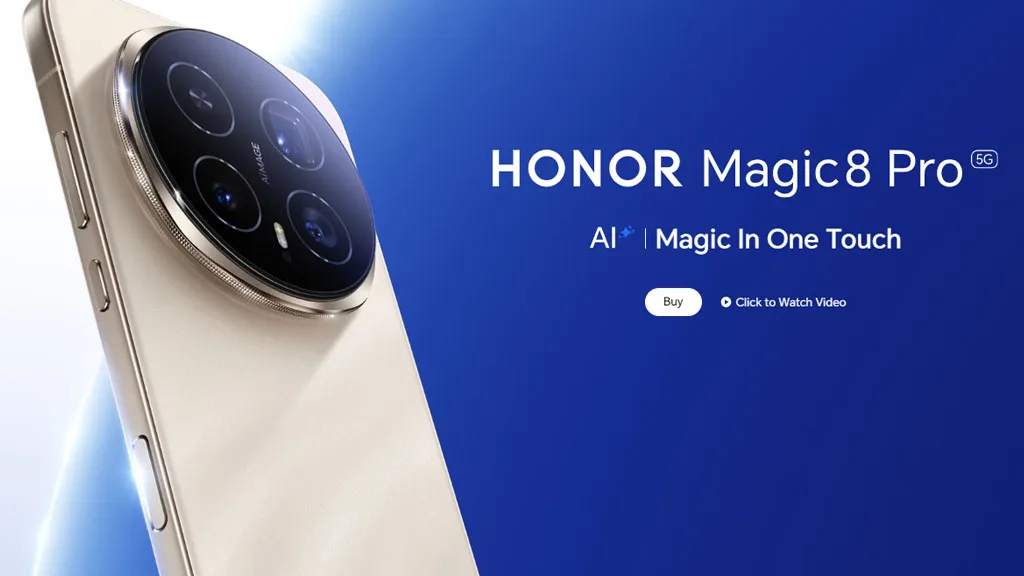
    Honor introduced the Magic 8 Pro globally on November 27. The device has been sold outside China in only three colors: Sunrise Gold, Sky Cyan, and Pure Black.

    The Magic 8 Pro offers the same slim-trim appearance as its Chinese counterpart. The Honor Magic 8 base model, however, is absent from the frame.

    Does the business have some further plans relating to this phone variant? Whether it will launch the appropriate item later in the market or won’t unveil it worldwide at all is a key question to be settled. Ahead of that, let’s study the global Magic 8 Pro.

    Global debut for Honor Magic 8 Pro

    Magic 8 Pro specs

    The Magic 8 Pro global edition weighs 219 grams and measures 161.15 x 8.32 x 75 mm. The gadget has a 6.71-inch OLED screen with 120Hz refresh rate, FHD+ resolution (1256 x 2808), max brightness of 6000 nits, and NanoCrystal Shield.

    The smartphone has an Adreno 840 GPU and a Snapdragon 8 Elite Gen 5 CPU. It has two RAM and storage versions (12GB + 512GB and 16GB + 1TB) and pre-installs the MagicOS 10 (Android 16) operating system.

    The Magic 8 Pro’s cameras include a 50MP ultra night camera (f/1.6 aperture, 1/1.3-inch, OIS, 4-in-1 2.4µm big pixel output), a 50MP ultrawide-angle camera with 122° wide angle and 2.5cm HD macro shooting, and a 200MP Ultra Night telephoto camera with 3.7x optical zoom and OIS.

    Honor has employed a 50MP selfie camera with a 3D depth sensor for facial recognition on the front face. It includes gorgeous photography settings like the telephoto night portrait to deliver magnificent photos with a delicate skin texture at night.

    Meanwhile, the Stage Mode ensures that it maintains up with the intricacy of the stage lights and catches character outlines with precision, irrespective of any backgrounds.

    Yes, the battery gets downgraded once more, but only little this time. The worldwide Magic 8 Pro smartphone includes a 7100mAh cell pack with a 100W wired and 80W wireless speedy charging. The rest of the specs are the same as the Chinese edition.

  • HyperOS 3: Xiaomi Confirms Poco Phones Eligible for the Android 16 Update

    HyperOS 3: Xiaomi Confirms Poco Phones Eligible for the Android 16 Update

    Xiaomi is closing out the year with fresh Poco flagships and a huge HyperOS 3.0 update based on Android 16. From new phones to a revised UI, here’s what’s rolling out and when you can expect it on your smartphone.

    Xiaomi has more phones to release this year. The worldwide versions of the Poco F8 Pro and F8 Ultra were just released. The company has revised the HyperOS 3.0 deployment schedule, which is now expected to reach over a dozen Poco phones and tablets, in tandem with the surge of new hardware.

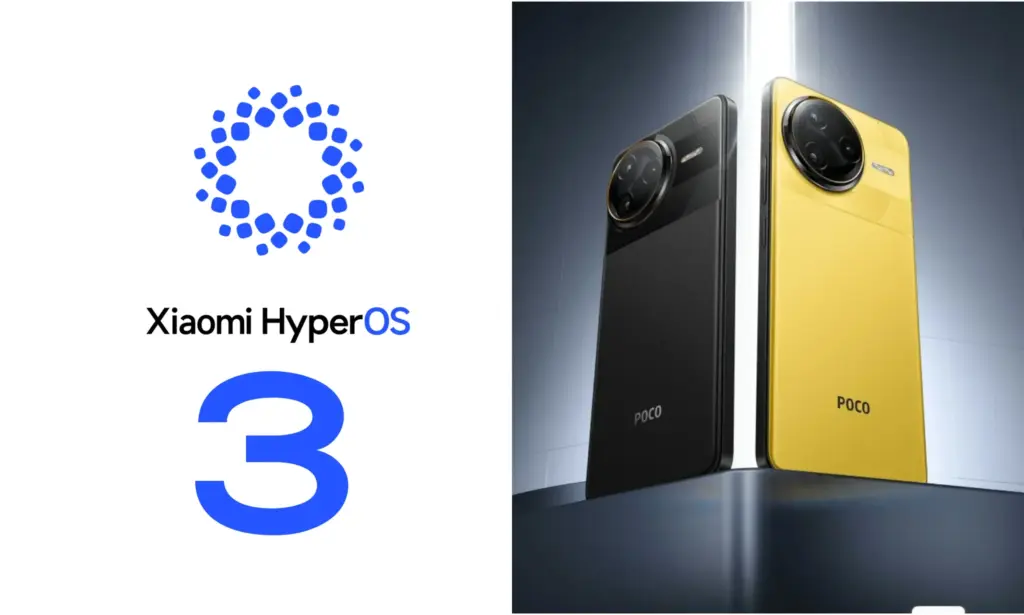
    The new Poco F8 Pro and Poco F8 Ultra flagships ship with Android 16 out of the box. Other models will be released on a staggered schedule.

    Xiaomi Confirms Poco Phones Eligible for the Android 16 Update

    Which Poco devices are confirmed to get HyperOS 3.0

    For the initial group of Poco devices, the deployment started in October and will last until the end of November. The Poco F7 and X7 series from the previous year, including its Ultra variants, are at the top of the list. Some users outside China have already reported receiving the software. However, it’s not uncommon for other devices to only receive notifications in the upcoming days, depending on variations.

    The Poco F6 (Pro), Poco X6 Pro, Poco M7, Poco M6 (Pro), and Poco C75 will lead the following batch in December.

    Between December 2025 and March 2026, a broader release that includes the Poco F5 (Pro), Poco X6, Poco M7 Pro, and Poco C85 is scheduled. Poco’s Android tablets, such as the Poco Pad, Poco Pad X1, and Poco Pad M1, will join these. Regretfully, Xiaomi has not disclosed the timing for every device.

    What’s new in HyperOS 3.0?

    HyperOS 3.0 is built on Android 16, which adds its own set of new features and customizations. Xiaomi’s version offers a substantial user interface overhaul, increased security, and superior optimization for longer battery life and smoother performance.

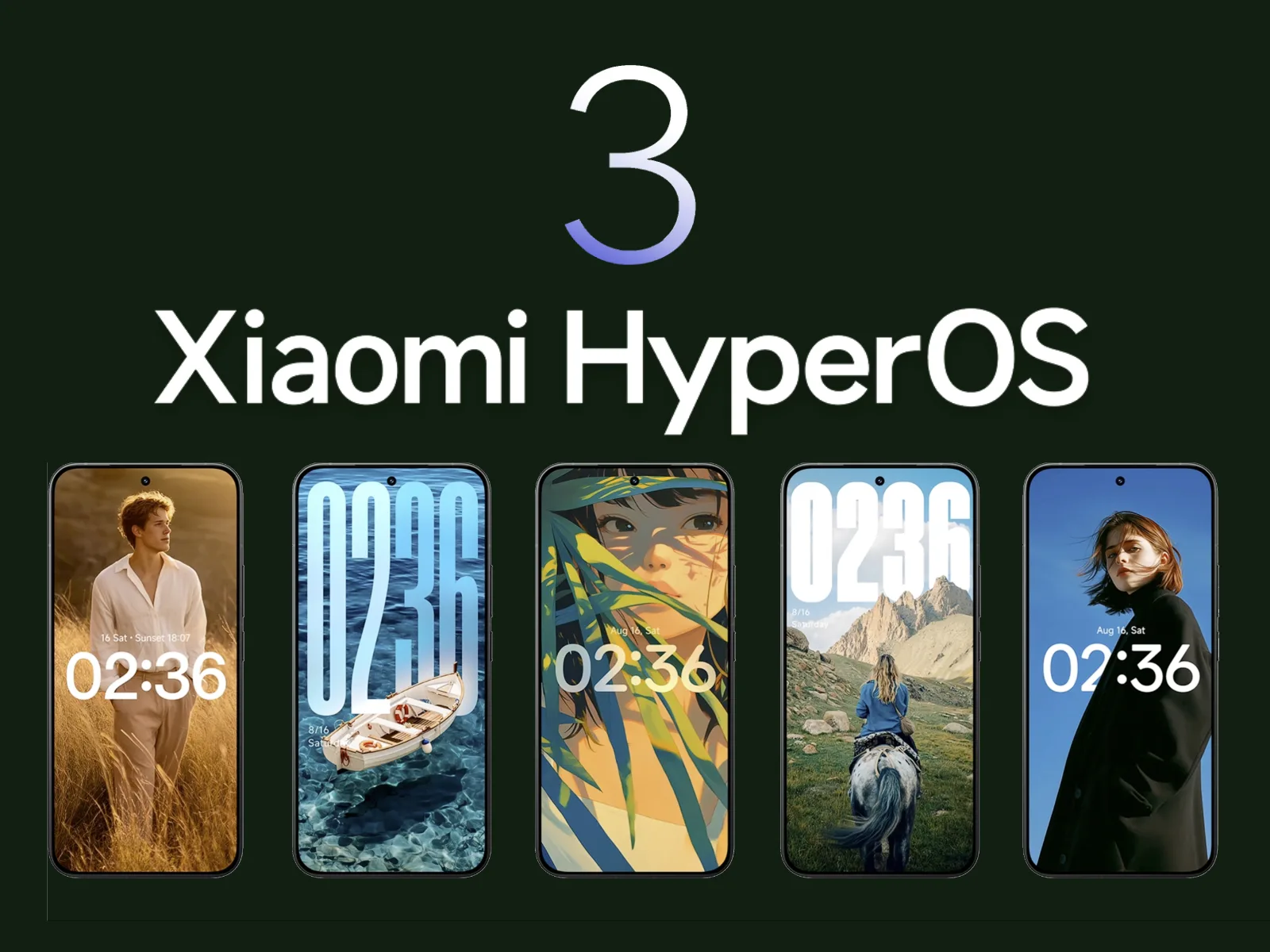
    The most noteworthy graphic modification is Super Island, inspired by iOS’s Dynamic Island. As a native feature of Android 16, it is integrated into the punch-hole camera region and shows live updates and dynamic widgets.

    The main UI has also been overhauled with transparent parts, blurred backgrounds, and redesigned app icons. Users receive new styles on the lock screen, like as live effects and AI-generated wallpapers.

    Additionally, Xiaomi promises enhanced usability and performance. Multitasking and app switching are stated to be snappier, while overall responsiveness is quicker.

    Permission limits and improved data protection have improved security. In other areas, HyperOS 3.0 provides closer connection with Xiaomi’s wider range of products.

  • Huawei Mate 70 Air’s Battery Outperforms Galaxy S25 Edge and iPhone Air

    Huawei Mate 70 Air’s Battery Outperforms Galaxy S25 Edge and iPhone Air

    In the battery war, the Huawei Mate 70 Air has defeated the iPhone Air and the Galaxy S25 Edge. The gadget has performed exceptionally well in the area where most brands attempt to make compromises in favor of appearance, although it may be a few millimeters behind in the battle for slimness.

    One of the device’s most crucial components is the battery. If it’s a decent one, you won’t have to worry about using a charger for a few days. However, a low-density cell hinders your enjoyment in addition to using more power.

    Samsung and Apple devices have excellent features and specifications. However, the battery life is something that these firms are continuously working to improve.

    Huawei Mate 70 Air comes with a huge battery

    Huawei Mate 70 Air’s Battery Outperforms Galaxy S25 Edge and iPhone Air

    Apple and Samsung are unable to incorporate a higher-density battery into their top phones despite no technological limitations. The batteries of phones such as the Galaxy S25 Ultra and the iPhone 17 Pro Max are 5000mAh and 4823mAh, respectively.

    Therefore, it is unrealistic to expect these brands’ thin gadgets to have larger battery capacities. Slimness frequently results in less space for the device’s internal parameters.

    Therefore, in order to achieve that ideal tiny profile, tech manufacturers must either reduce the battery capacity or other specifications like camera sensors and more.

    It’s interesting to note that the Huawei Mate 70 Air has demonstrated to the manufacturers of the iPhone and Galaxy that a handset can still have a huge battery while still maintaining its thin form.

    A 6500mAh ultra-thin silicon-carbon anode battery powers the Mate 70 Air’s remarkable battery life. Additionally, it offers a 66W fast cable charger that quickly charges the tablet without interfering with your video or gaming.

    As a result, the Huawei Mate 70 Air smartphone offers flagship-quality battery life in addition to a fully functional experience. You can choose between a thin model with a full power pack or one that is only skinny.

  • Huge Amazon deal: Samsung drops Galaxy Watch 7 price by almost half

    Huge Amazon deal: Samsung drops Galaxy Watch 7 price by almost half

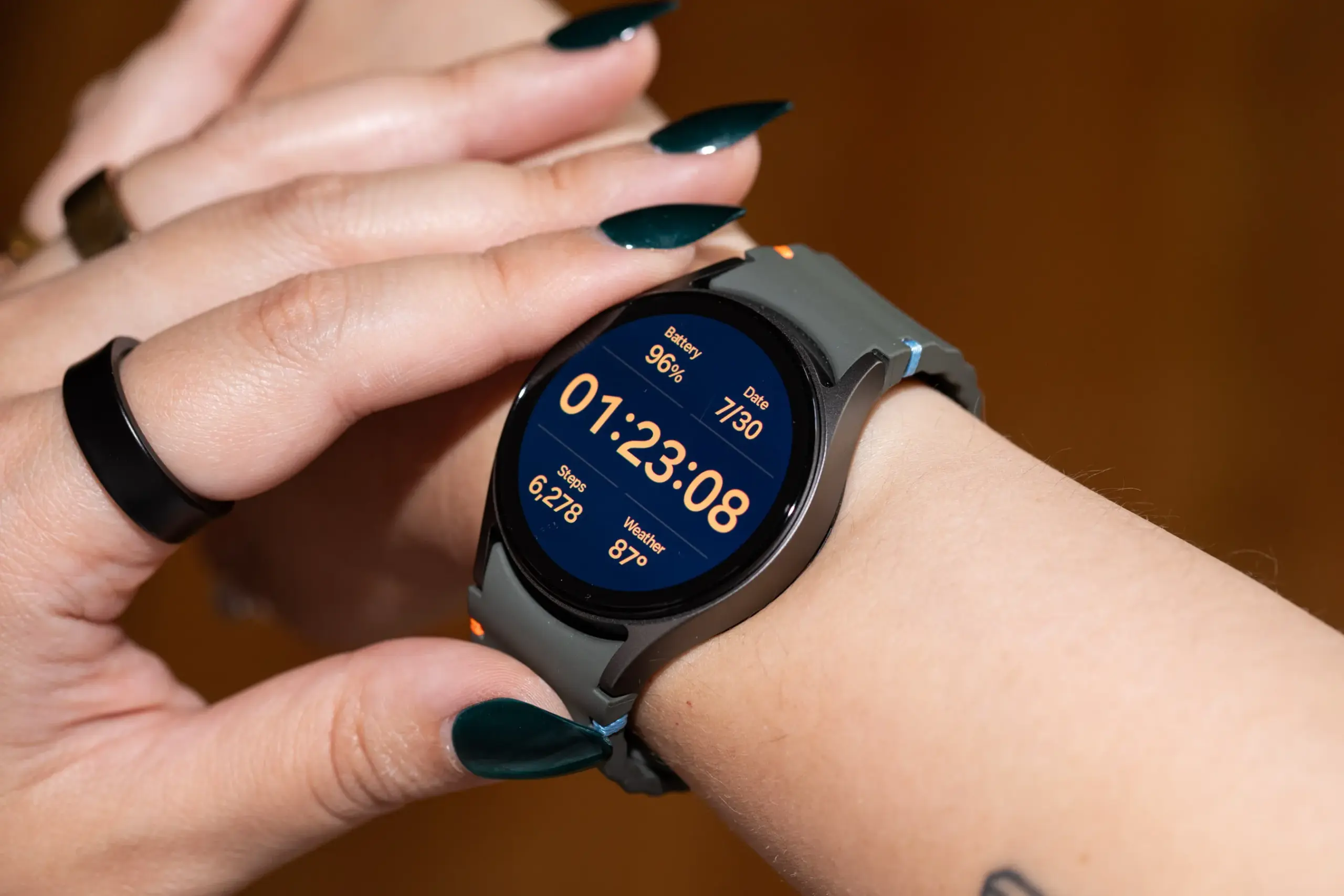
    Despite premium pricing starting at $399 for the most recent Series 10, the Apple Watch continues to lead the smartwatch market in terms of health tracking accuracy and ecosystem integration. At a tenth of Apple’s pricing, Samsung’s Galaxy Watch 7 offers comparable health indicators, AI-powered insights, and sophisticated sleep tracking. Amazon recently reduced the watch’s retail price from $249 to a record low of $129 for Black Friday. Even older Apple Watch models are undercut by that roughly 50% discount, but you get tech that Samsung discreetly introduced earlier this year.

    One of the greatest deal for Galaxy Watch 7

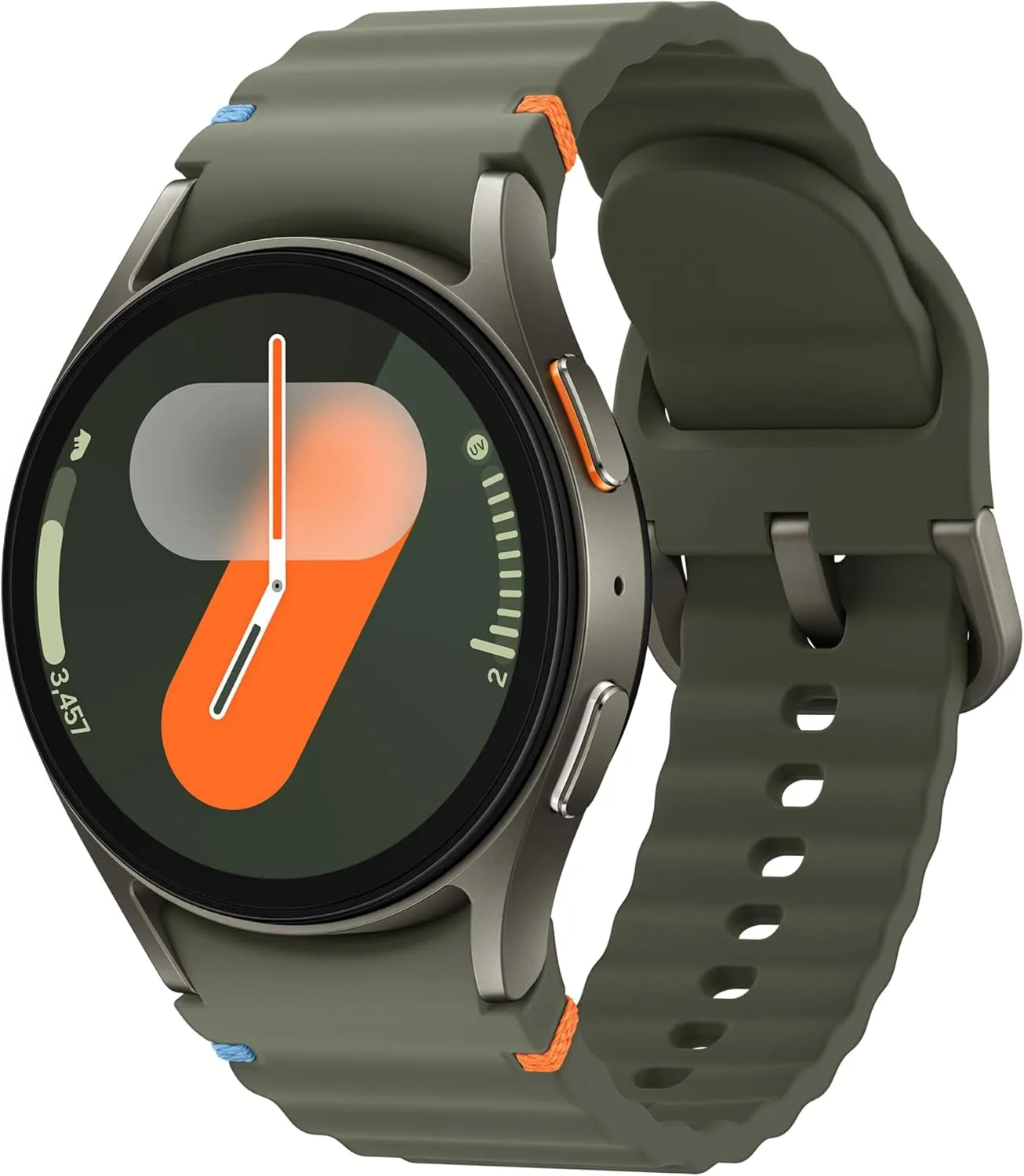
    SAMSUNG Galaxy Watch 7

    Galaxy Watch 7

    Looking for a great way to bring out your personal best every day. Challenge yourself to excel on your next run or bike ride using tracking with Galaxy AI that lets you compare your current performance to your last one

    One of the greatest
    $279.99$159.99Amazon

    By examining yesterday’s activities, sleep quality, heart rate patterns, and recuperation indicators, the Energy Score determines your daily physical preparedness. This AI-powered study determines whether your body is ready for strenuous work or requires relaxation and lighter pursuits. Every morning, the score is updated based on the data gathered overnight, giving you useful information before you schedule your workout for the day. Samsung’s AI evaluates that data on the associated phone instead of in the cloud, protecting health information while offering tailored suggestions. As it gathers more information about your distinct physiology and reaction to varying degrees of activity, the system gradually learns your habits to improve accuracy.

    Performance tracking shows you exactly where you’re maintaining, improving, or falling behind your pace by comparing your current run or bike ride to previous sessions in real time. Instead of discovering afterward that you performed poorly, you may adjust your effort during a workout thanks to the real-time feedback. In situations where a person’s arms are swinging or vibrations affect sensor contact, the Galaxy AI improves accuracy by eliminating movement aberrations from exercise users’ heart rate measurements.

    Sleep tracking monitors your sleep cycles and looks for trends that indicate poor sleep quality or potential health problems. For instance, the watch is as accurate as specialized sleep tracking equipment at identifying light sleep, deep sleep, REM stages, and intervals of waking throughout the night. After that, Samsung’s AI evaluates the information to offer suggestions for enhancing sleep hygiene, changing bedtime schedules, or altering nighttime routines that obstruct restful sleep. By tracking breathing disturbances and oxygen levels while you sleep, the sleep apnea detection feature looks for mild and severe cases.

    Using the sophisticated health information your watch collects throughout the day, wellness tips offers tailored advice. Its AI analyzes heart rate trends, activity patterns, stress levels, and sleep quality to find areas where little adjustments could improve general wellbeing. Such guidance touches on individual physiological reactions and real-life behavior in addition to generic fitness. When the system detects accumulated sleep debt, it may suggest earlier bedtimes, offer stress-reduction strategies during particularly stressful weeks, or motivate users to walk more on days when they are primarily inactive.

    Smaller wrists can easily accept the 40mm case size without the bulk that comes with larger smartwatches. Without the need for cellular service, which raises monthly costs, Bluetooth connectivity maintains a steady connection to your phone for calls, notifications, and data syncing. The battery lasts for a full day and night of continuous health monitoring, while the precise amount of time depends on the features you activate and how frequently you use the watch.

    galaxy watch 7 deal health details

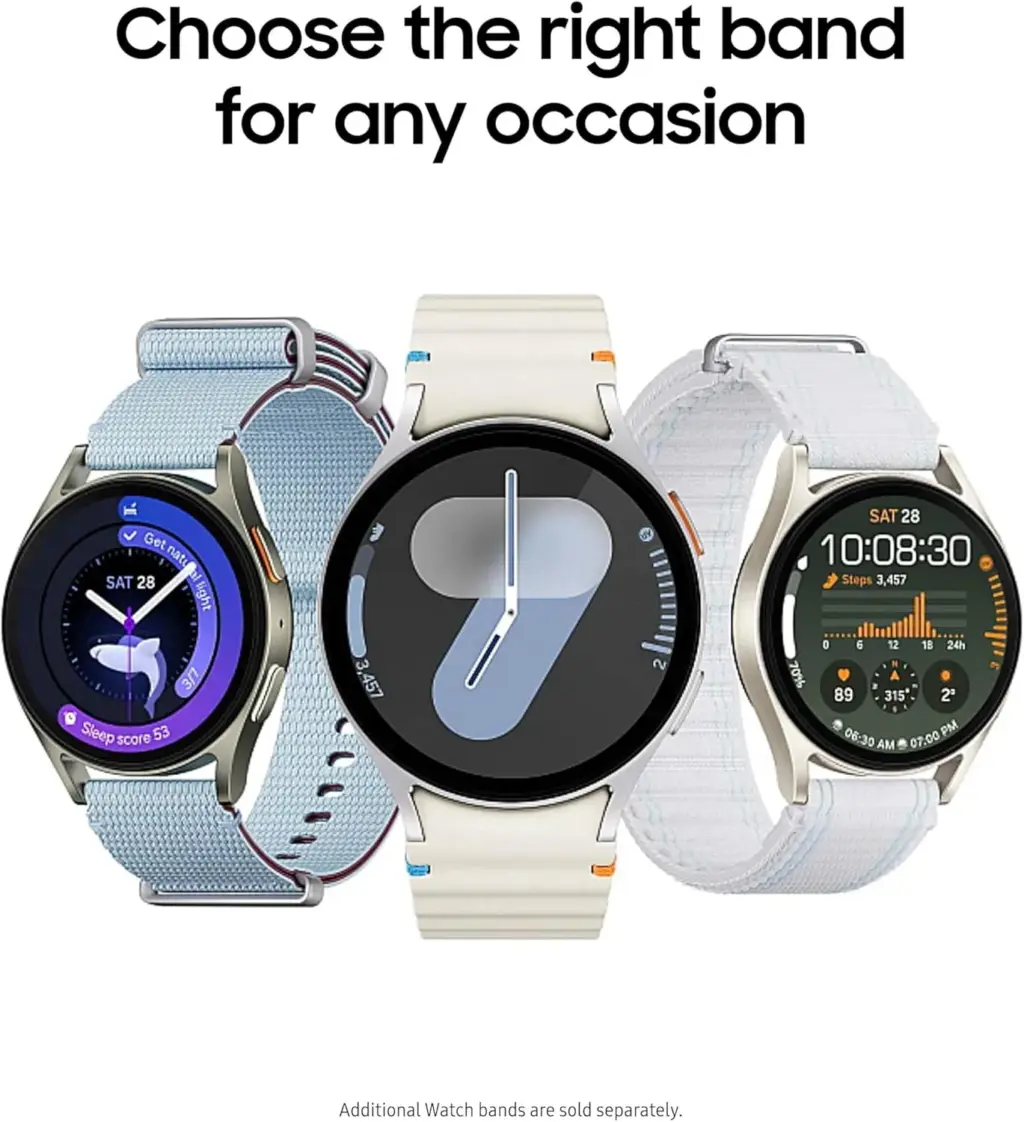
    Although some features require Samsung hardware for full performance, Samsung’s ecosystem integration works well with Galaxy phones as well as other Android devices and even iPhones. You can prioritize which health measures are displayed prominently by using the watch face customization options. This allows you to change the display to show the data you truly care about instead of generic layouts.

    Samsung’s most recent wristwatch technology is available for almost half the cost of entry-level Apple Watch devices, which do not provide comparable AI-powered health insights, at $129. This 48% cut makes flagship health tracking affordable for people who have been priced out of the smartwatch market by Apple’s premium positioning.

    SAMSUNG Galaxy Watch 7

    Galaxy Watch 7

    Looking for a great way to bring out your personal best every day. Challenge yourself to excel on your next run or bike ride using tracking with Galaxy AI that lets you compare your current performance to your last one

    One of the greatest
    $279.99$159.99Amazon
  • Redmi K90 Ultra set for big upgrades, including a 165Hz screen and 8000mAh battery

    Redmi K90 Ultra set for big upgrades, including a 165Hz screen and 8000mAh battery

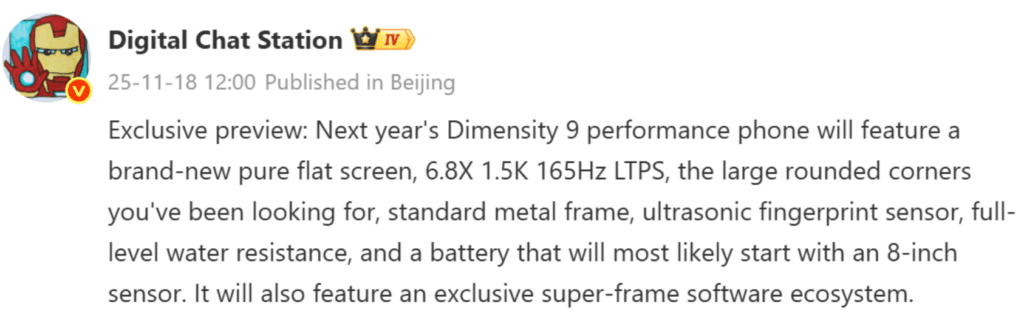
    The Redmi K90 Ultra, which will probably arrive in China in a few months, is already being discussed in the rumor mill after Redmi unveiled the K90 and K90 Pro Max in October. Digital Chat Station‘s early information suggests significant improvements over the current models, providing a first glimpse of Xiaomi’s potential lineup expansion. The information provides a first look, and as launch draws near, more clarity is probably in store.

    Redmi K90 Ultra key specs

    The Redmi K90 Ultra is anticipated to include a 6.8-inch LTPS OLED display with a 1.5K resolution and a quick refresh rate of 165 Hz, according to the leak. The device may include a metal central frame for increased durability, and the screen is rumored to feature rounded corners.

    Strong water protection is also anticipated, which is consistent with the stronger resistance ratings of more recent high-end models. An improved audio system and an ultrasonic in-display fingerprint scanner are two more anticipated enhancements.

    redmi k90 leak

    Battery capacity appears to be one of the most notable features. According to rumors, the phone would have a battery of about 8,000 mAh, which is a significant improvement over the K90 Pro Max and earlier Ultra models. Additionally, a specialized high frame rate software layer that could improve the overall performance profile—particularly for gaming—is hinted at by the tipster.

    According to reports, the MediaTek Dimensity 9 series chipset powers the Redmi K90 Ultra. This might be the Dimensity 9500 Plus, which is expected to be released in 2026. The leak characterizes the Ultra as a performance-focused model, implying that photography may continue to be at a respectable but not flagship-leading level, even though camera details have not been disclosed.

    The K80 Ultra’s June 2025 release cycle is anticipated to be followed by the K90 Ultra. The K90 Ultra might make its Chinese debut around the middle of 2026 if Xiaomi sticks to this schedule. It’s possible that a modified K90 Ultra may go on sale as a Xiaomi flagship worldwide.

  • Honor Magic 8 Mini specs leak: 6.31″ screen, 5–6mm thickness, and a bigger battery than expected

    Honor Magic 8 Mini specs leak: 6.31″ screen, 5–6mm thickness, and a bigger battery than expected

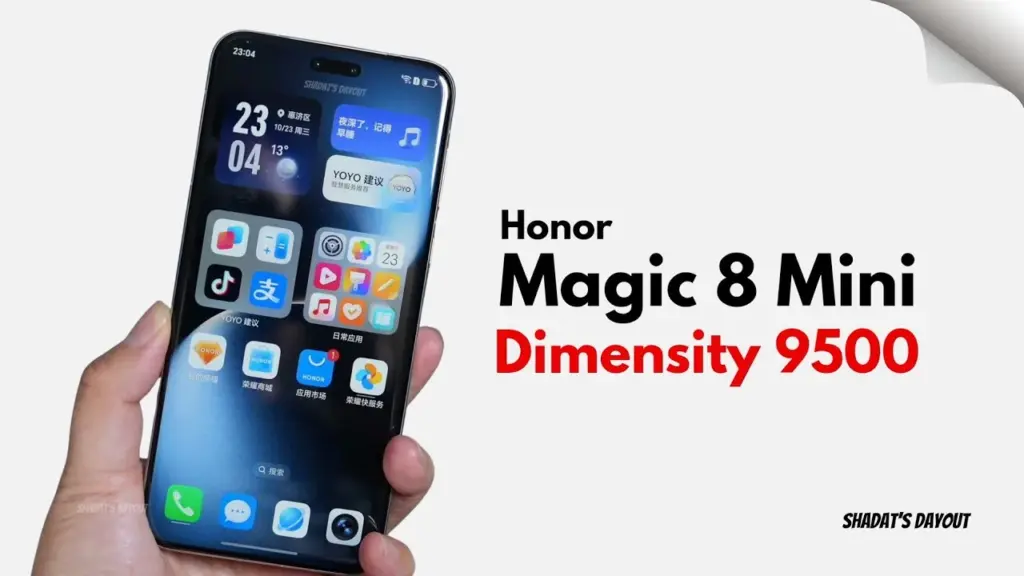
    Honor might be gearing up to revive something Android fans haven’t seen in a long time: a genuinely compact flagship, Magic 8 Mini, that isn’t a watered-down version of the “real” model. A fresh leak suggests the company is working on what’s reportedly called the Magic 8 Mini, and if the details hold up, it could end up being one of the thinnest and lightest compact phones of the year.

    Only in October did the standard Magic 8 and Magic 8 Pro arrive, extending Honor’s dominance in the high-end market. However, rumors about a smaller “Mini” variant began to circulate almost immediately. A pre-production unit is already making the rounds, according to Weibo tipster Digital Chat Station. It is remarkably tiny, measuring between 5 and 6 mm. That would clearly place it in the “ultra-thin” category among gadgets like Apple’s iPhone Air and Samsung’s Galaxy S25 Edge. However, the combination—not just slim, but truly compact—is what sets this one apart. It is a combination of two trends that hardly ever coincide these days.

    Honor Magic 8 Mini specs leak

    Honor Magic 8 Mini specs

    The Magic 8 Mini is rumored to have a 6.31-inch display up front, which is essentially the new benchmark for phones labeled as small.

    The camera situation is still unclear. Honor is apparently testing a 200MP primary sensor, but a 50MP 1/1.5 sensor is being discussed. The speculated telephoto lens is the more intriguing aspect. Since very few phones smaller than 6.5 inches have significant zoom capabilities (the 6.32-inch OnePlus 13T, for example, only has a modest 1/2.75″, 2x telephoto), if Honor does incorporate one here, it will probably employ a smaller sensor but still give the Mini an advantage in terms of adaptability.

    The Dimensity 9500 chip from MediaTek, which powers Vivo’s X300 and X300 Pro, is anticipated to power the phone. Battery life is the only possible issue. There are rumors of a 5,500mAh cell, which is amazing considering the form factor but not nearly as big as the 6,260mAh pack of the 8.2mm-thick OnePlus 13T.

    Honor hasn’t made any announcements yet, and it’s unclear if the Magic 8 Mini will share the stage or stay under wraps for a little while longer given that the Honor 500 series will debut in China on November 24. Nevertheless, this might be one of Honor’s more innovative phones if the reports turn out to be true. An “ultra-thin small-screen” gadget could be just what some of us have been waiting for in a market where flagship devices seem to be getting bigger and heavier.

  • OnePlus Ace 6T leaks reveal Snapdragon 8 Gen 5 power and huge 8,000mAh+ battery

    OnePlus Ace 6T leaks reveal Snapdragon 8 Gen 5 power and huge 8,000mAh+ battery

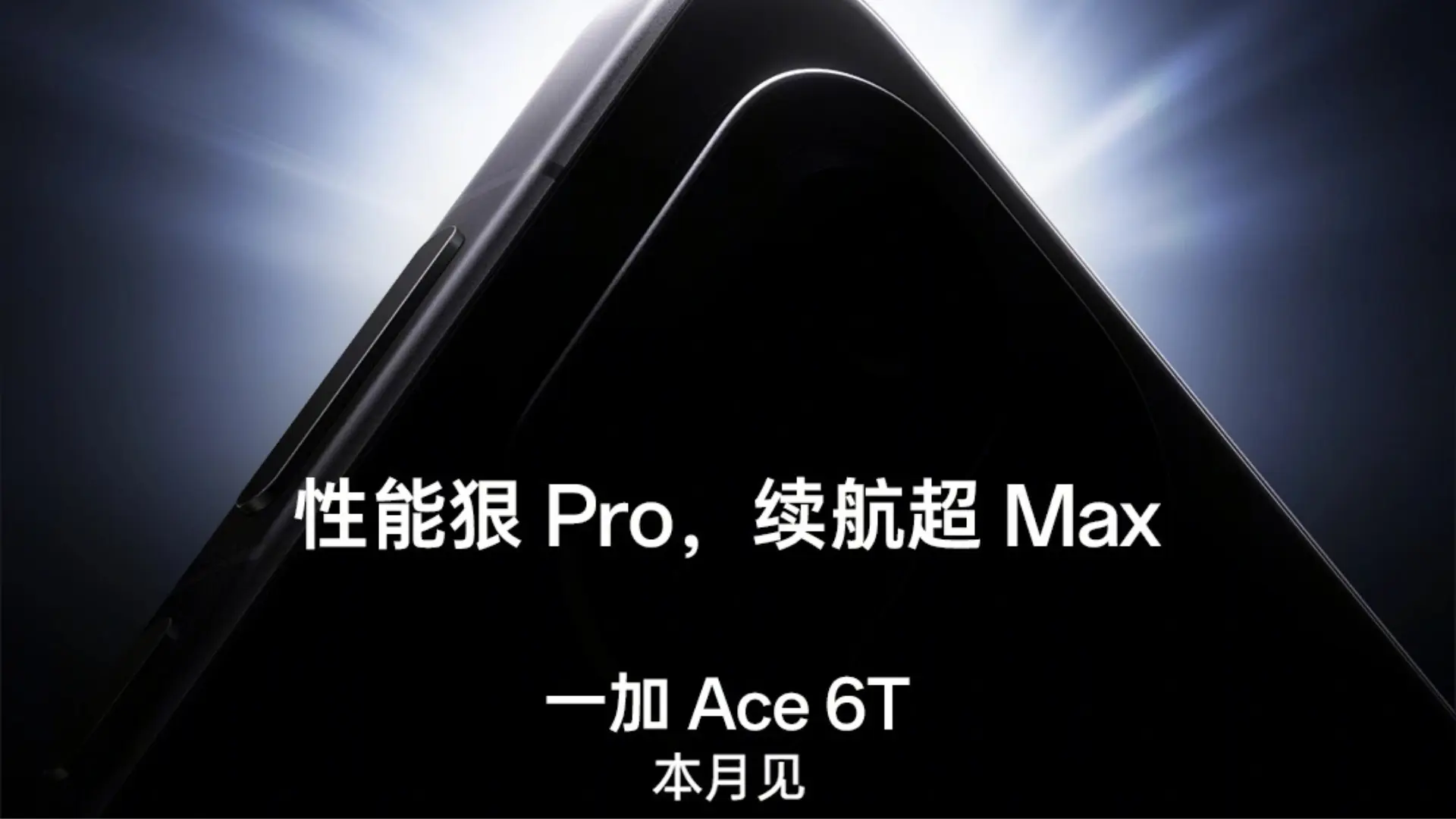
    Pre-orders for the OnePlus Ace 6T are already open as the company prepares to introduce it in China. It is anticipated to make its debut later this month as the first phone to use the upcoming Snapdragon 8 Gen 5 CPU. The device has surfaced on Geekbench ahead of the anticipated debut, disclosing the chipset’s specs. The device’s battery size has also been hinted to by the business.

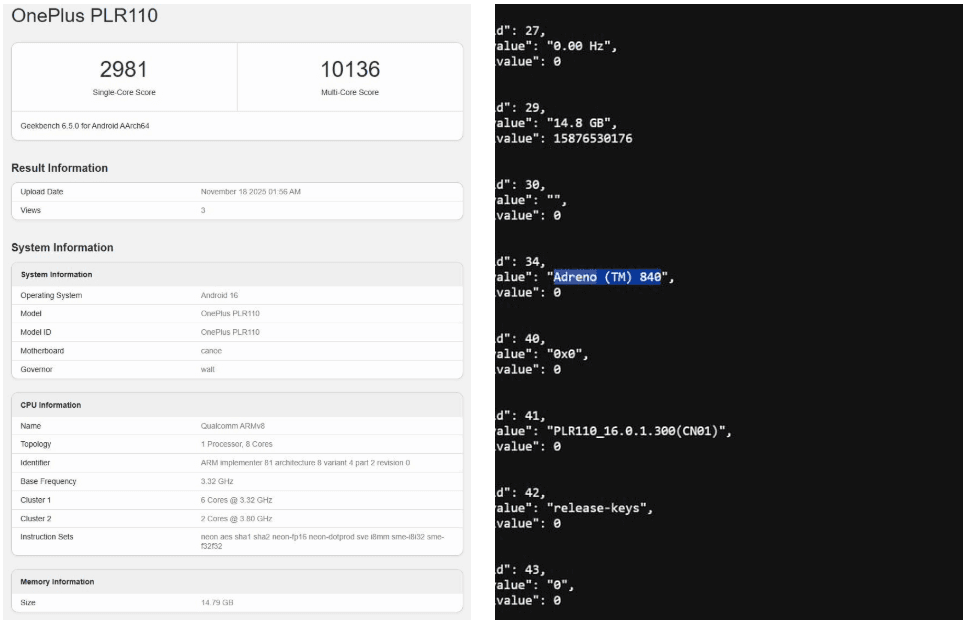
    OnePlus Ace 6T Geekbench score

    According to the listing above, a new Qualcomm CPU powers the next OnePlus PLR110 phone, which looks to be the OnePlus Ace 6T. The SoC has two 3.2GHz cores and six 3.38GHz cores. Additionally, it has an Adreno 840 GPU for graphics. The Snapdragon 8 Gen 5, which is anticipated to make its debut in the coming days, is the subject of these details.

    OnePlus Ace 6T Geekbench listing

    It also boasts 16GB of RAM and Android 16, according to the OnePlus Ace 6T Geekbench listing. It received 10,136 points in the multi-core test and 2,981 points in the single-core test.

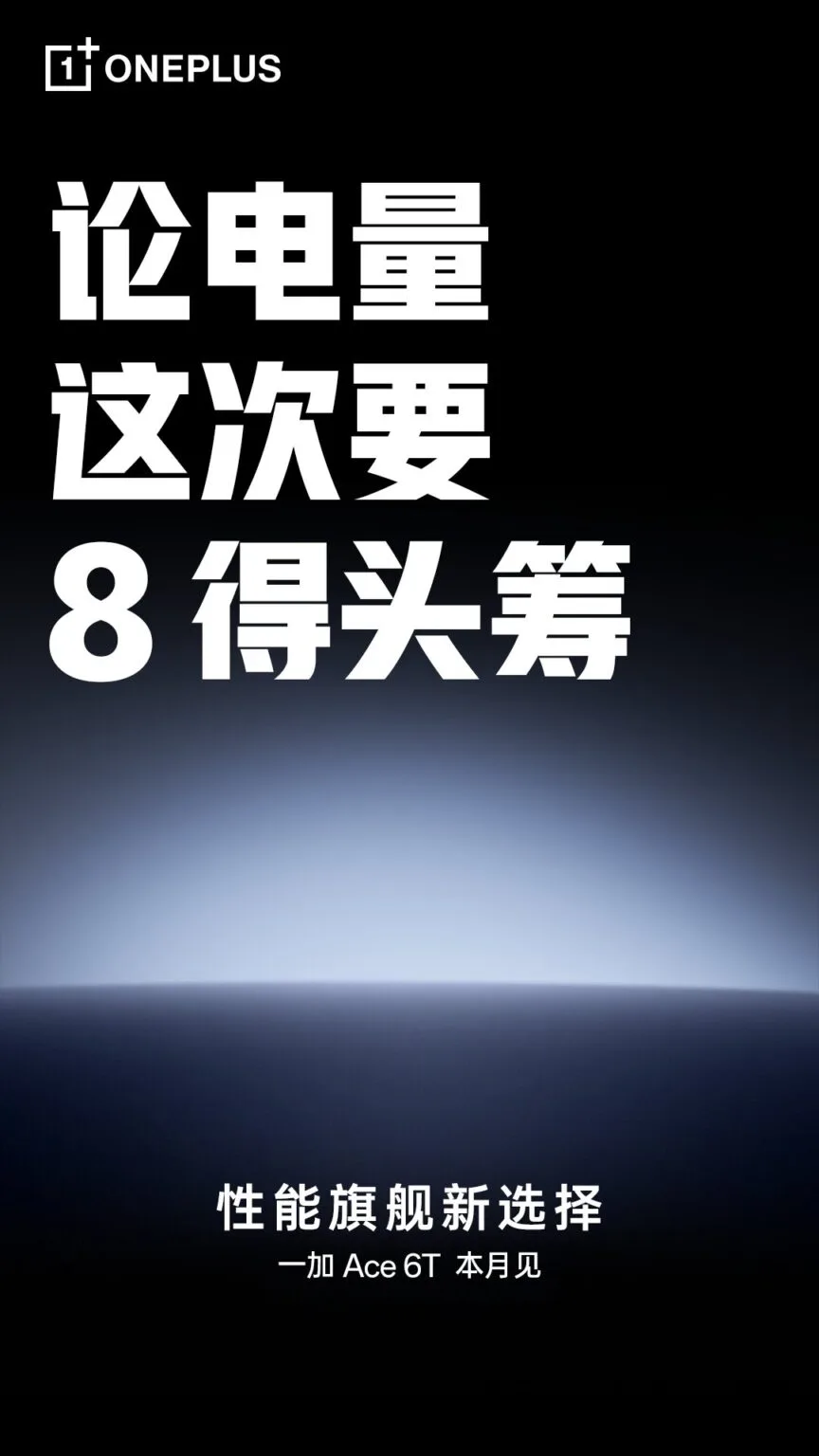
    OnePlus Ace 6T’s battery size teased

    According to the ad above, the OnePlus Ace 6T can support 100W fast charging and has a battery capacity of about 8,000mAh. The gadget includes a 6.8-inch OLED 1.5K 165Hz screen with an ultrasonic in-screen fingerprint sensor, according to some reports. It is anticipated to come with up to 1TB of UFS 4.1 storage and up to 16GB of LPDDR5x Ultra RAM.

    OnePlus Ace 6T hero banner

    An 8-megapixel ultra-wide lens and a 50-megapixel primary camera with OIS assistance will make up its rear camera arrangement. It will sport a 32-megapixel camera on the front for taking selfies. It will come in a variety of colors, including purple, green, black, and a unique variant inspired by Genshin Impact.

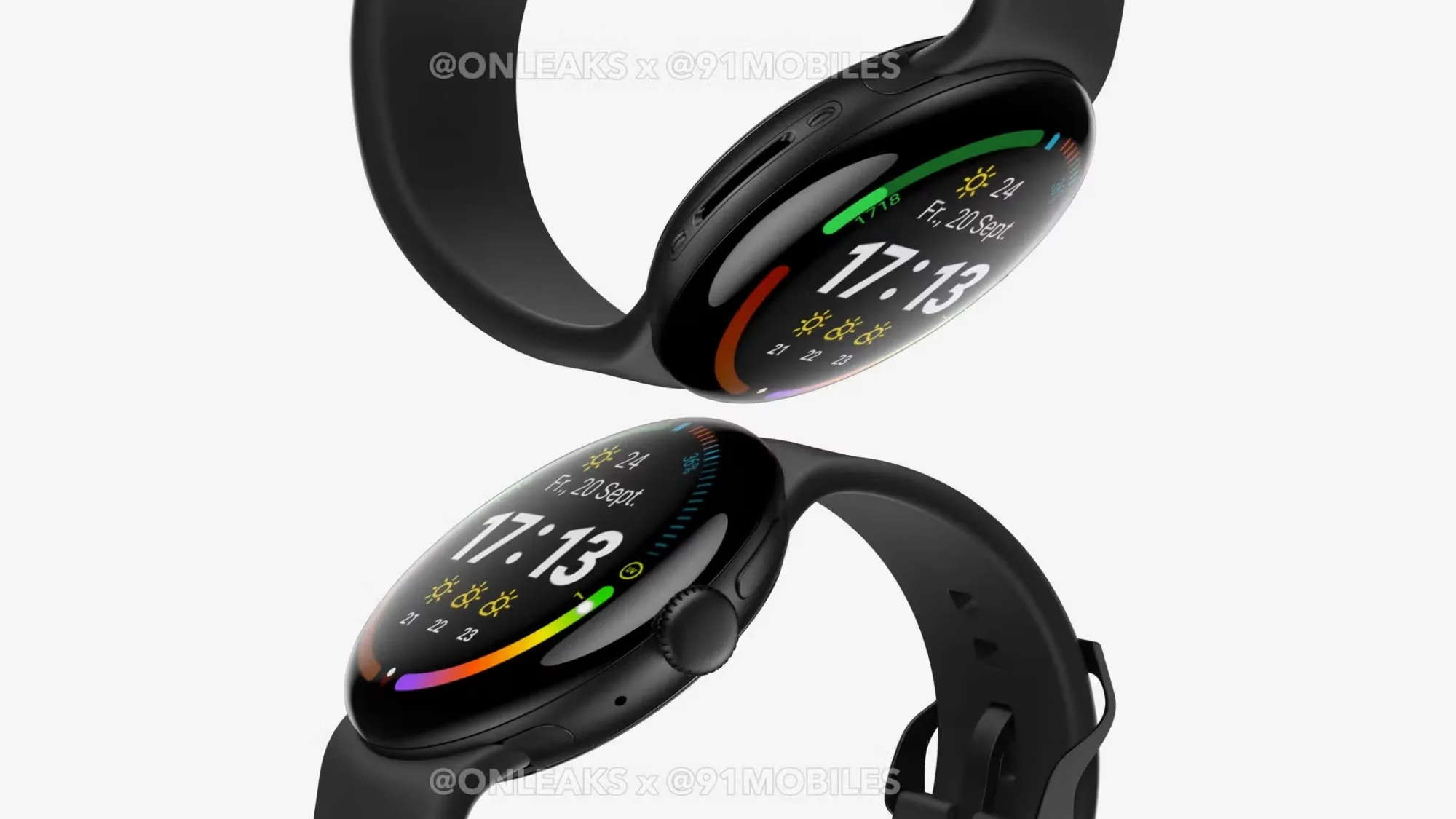
  • Pixel Watch 4: battery life takes center stage

    Pixel Watch 4: battery life takes center stage

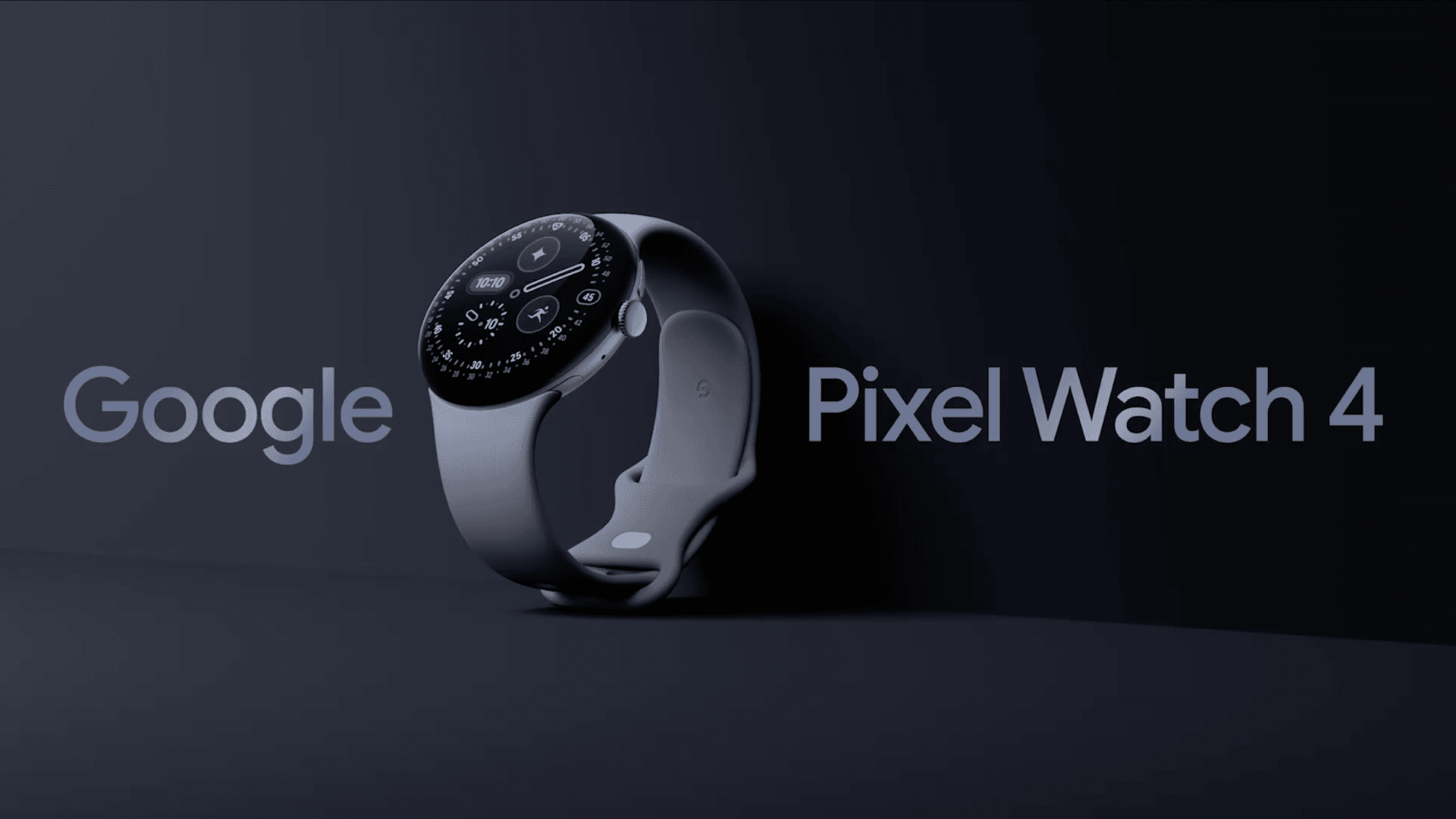
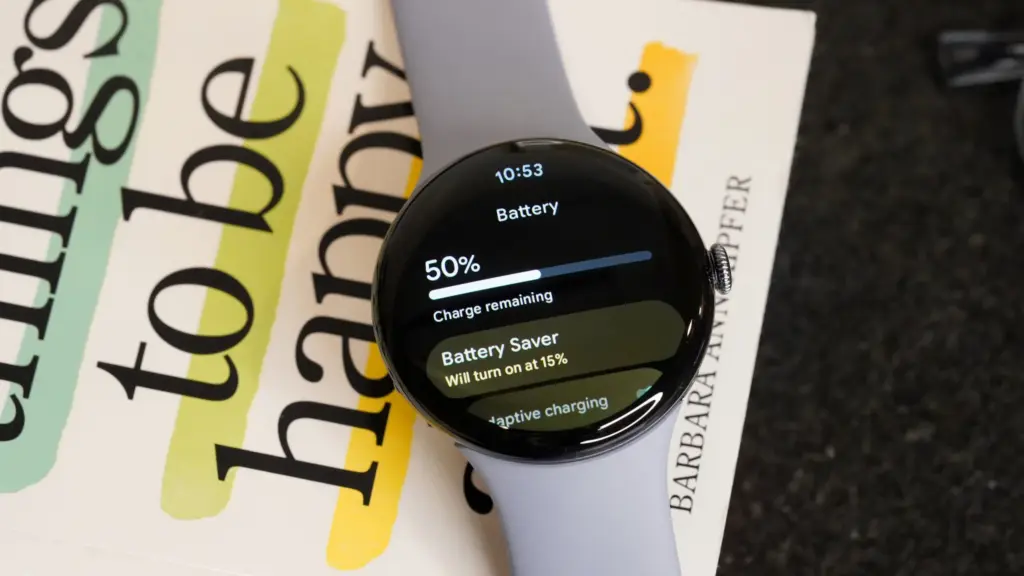
    The battery life would be the main justification for purchasing a Pixel Watch 4. Yes, this device has many useful features, but since I reviewed it, the battery life has improved, and I’ve seen a lot of positive reviews for Google’s newest wristwatch.

    Referring back to my evaluation from early October, I found that the Pixel Watch 4‘s battery life (on the 45mm variant) was as good as Google had promised, with some days being shockingly long. Thus, we’re talking about using the always-on display for around 40 hours and turning it off for about 48 hours. However, there were a few crazy days when I used the watch extensively—5.5 hours of exercise and complete sleep tracking—and it lasted more than 48 hours.

    pixel watch 4 battery

    As I said in my review, the moment I switched on the “Raise to talk” feature, which activates Gemini, the battery life dropped from that high. I subsequently reduced the sensitivity significantly before turning it off entirely. Both of those have been beneficial. I’m not sure if I’m back to that degree of battery madness, but I’ve noticed that I think about battery life far less and that the watch is on the charger much less frequently each week.

    Google Pixel Watch 4

    The Google Pixel Watch 4 is a stunning display of precision craftsmanship, with Gemini, your built-in AI assistant, Google’s longest-lasting battery, and comprehensive tools for next-level health and fitness performance

    $399.99Amazon

    I’m not by myself either. A user displayed a 76% battery left status in a Reddit discussion after 16 hours without a charger and with AOD activated. Some were dubious, but after looking at my own stats in the last few weeks, I think it’s true. In same discussion, another user attested to the fact that their usage was either comparable to or significantly less than that of the Pixel Watch 3.

    One user described battery life as “amazing” in another discussion before praising the excellent charging conditions. I also discussed that in my review. Compared to earlier Pixel Watch versions, nearly all of which took more than an hour to fully charge, I was able to charge from 20% to 100% in about 40 minutes. According to a different Redditor, they tested the charger twice between 0 and 100% and essentially reached the 40-minute threshold. Additionally, the innovative magnetic charger transforms your tiny watch into a little desk or bedside clock and is incredibly easy to use.