Category: News

Latest news and updates in Android World

  • Install ADB on Windows, macOS, and Linux

    Install ADB on Windows, macOS, and Linux

    There will be a lot of guides on Droid Tools about how to access certain features of the Android platform that simply are not visible to the user. 

    Theese will be done generally with the help of some command line Android Debug Bridge (ADB) commands, a tool that Google offers for developers to debug various parts of their applications or the system, but which we can use for all kinds of neat and hidden tricks. Using the command line isn’t something that everyone is comfortable with, though, so in an attempt to teach everyone how to do these tweaks (no matter what skill level you’re at), we have been including some basic steps about how to install ADB in each of our tutorials where necessary.

    Setup the Android Debug Bridge (ADB)

    Phone Setup

    • Launch the Settings application on your phone.
    • Tap the About Phone option generally near the bottom of the list (this is hidden behind the “System” option in Google’s latest Android Oreo version).
    • Then tap the Build Number option 7 times to enable Developer Mode. You will see a toast message when it is done.
    • Now go back to the main Settings screen and you should see a new Developer Options menu you can access.
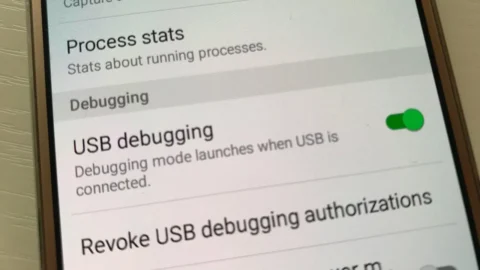
    • Go in there and enable the USB Debugging mode option.
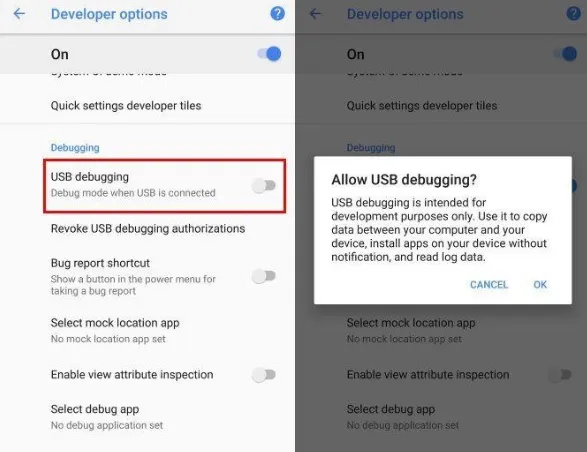
    Next up, you will need to scroll below and follow the rest of the instructions for your operating system.

    Windows 10 ADB Setup

    • Download the ADB ZIP file for Windows
    • Extract the contents of this ZIP file into an easily accessible folder (such as C:\adb)
    • Open Windows explorer and browse to where you extracted the contents of this ZIP file
    • Then open up a Command Prompt from the same directory as this ADB binary. This can be done by holding Shift and Right-clicking within the folder then click the “open command prompt here” option. (Some Windows 10 users may see “PowerShell” instead of “command prompt”.)
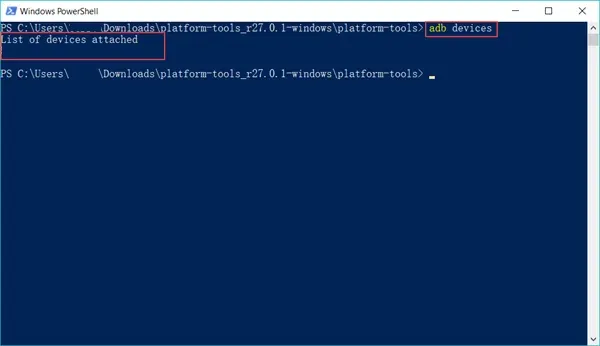
    windows adb
    Windows ADB folder
    • Connect your smartphone or tablet to your computer with a USB cable. Change the USB mode to “file transfer (MTP)” mode. Some OEMs may or may not require this, but it’s best to just leave it in this mode for general compatibility.
    • In the Command Prompt window, enter the following command to launch the ADB daemon: adb devices
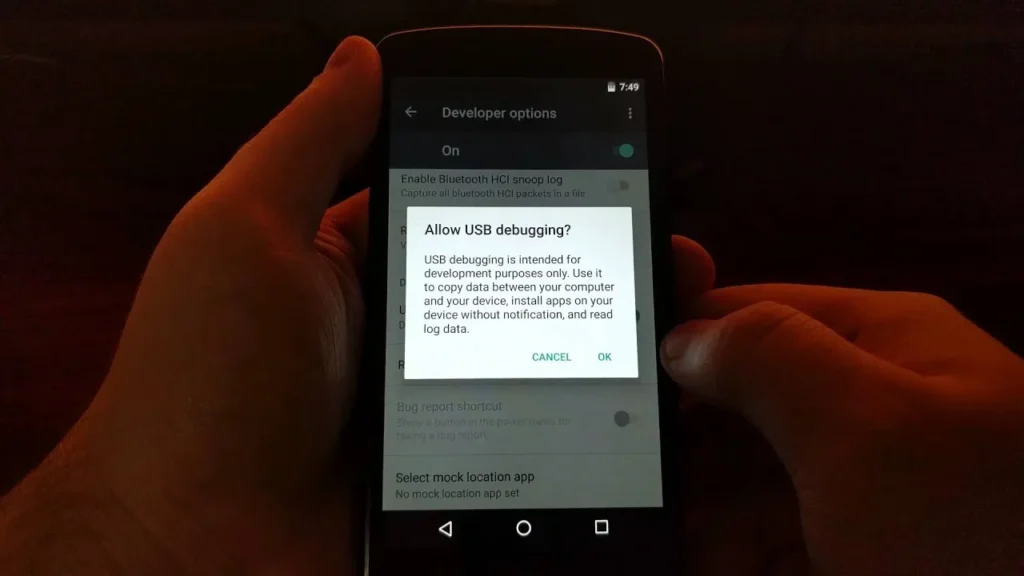
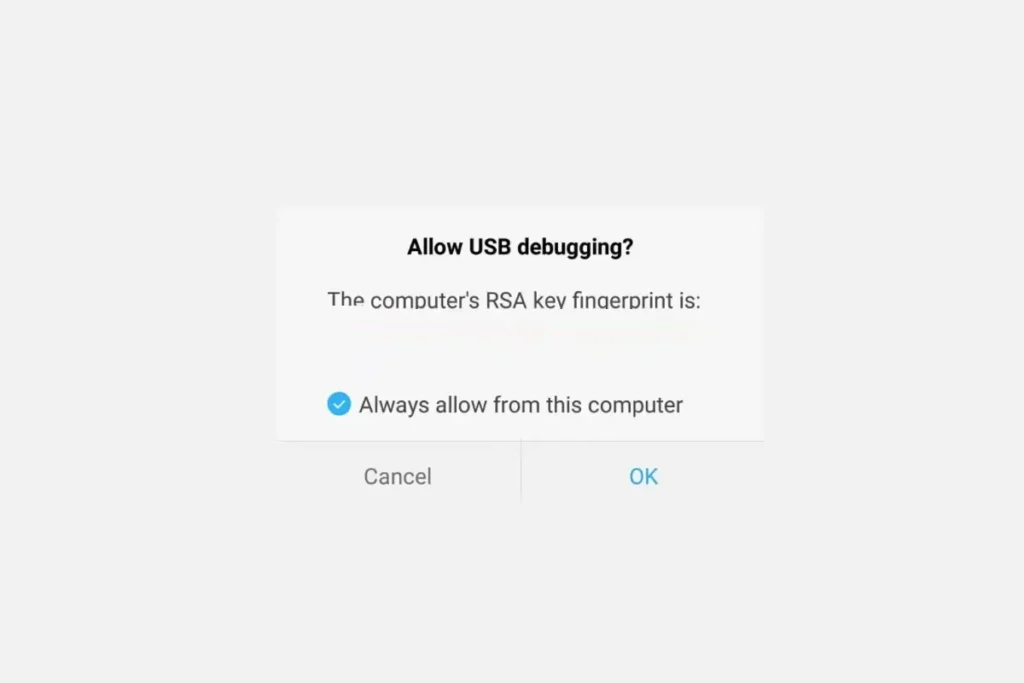
    • On your phone’s screen, you should see a prompt to allow or deny USB Debugging access. Naturally, you will want to grant USB Debugging access when prompted (and tap the always allow check box if you never want to see that prompt again).
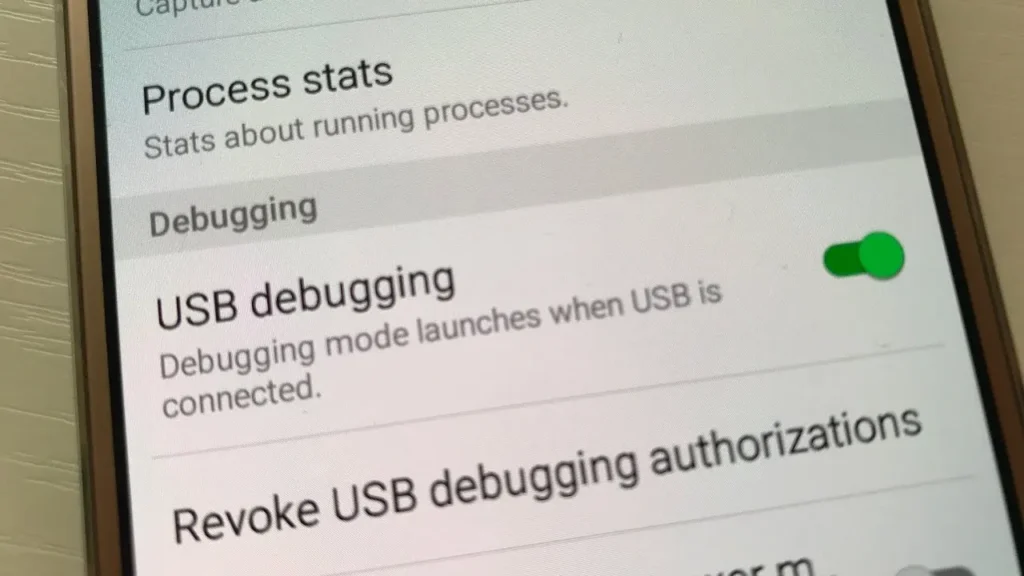
    Finally, re-enter the command adb devices. If everything was successful, you should now see your device’s serial number in the command prompt. 

    Install ADB on macOS

    • Download the ADB ZIP file for macOS
    • Extract the ZIP to an easily-accessible location (like the Desktop for example).
    • Open Terminal.
    • To browse to the folder you extracted ADB into, enter the following command: cd /path/to/extracted/folder/
    • For example, on my Mac it was this:cd /Users/Doug/Desktop/platform-tools/
    • Connect your device to your Mac with a compatible USB cable. Change the USB connection mode to “file transfer (MTP)” mode. This is not always required for every device, but it’s best to just leave it in this mode so you don’t run into any issues.
    • Once the Terminal is in the same folder your ADB tools are in, you can execute the following command to launch the ADB daemon: adb devices
    • On your device, you’ll see an “Allow USB debugging” prompt. Allow the connection.
    • Finally, re-enter the command adb devices. If everything was successful, you should now see your device’s serial number in macOS’s Terminal window. Congratulations! You can now run any ADB command on your device! Now go forth and start modding your phone by following our extensive list of tutorials!
    Install ADB on Linux

    1. Download the ADB ZIP file for Linux
    2. Extract the ZIP to an easily-accessible location (like the Desktop for example).
    3. Open a Terminal window.
    4. Enter the following command: cd /path/to/extracted/folder/
    5. This will change the directory to where you extracted the ADB files.
    6. So for example:cd /Users/USER/Desktop/platform-tools/
    7. Connect your device to your Linux machine with your USB cable. Change the connection mode to “file transfer (MTP)” mode. This is not always necessary for every device, but it’s recommended so you don’t run into any issues.
    8. Once the Terminal is in the same folder your ADB tools are in, you can execute the following command to launch the ADB daemon: adb devices
    9. Back on your smartphone or tablet device, you’ll see a prompt asking you to allow USB debugging. Go ahead and grant it.
    10. Finally, re-enter the command adb devices. If everything was successful, you should now see your device’s serial number in the Terminal window output. Congrats! You can now run any ADB command on your device! Now go forth and start modding your phone by following our extensive list of tutorials!

    Some Linux users should be aware that there can be an easier way to install ADB on their computer. The guide above will certainly work for you, but those own a Debian or Fedora/SUSE-based distro of Linux can skip steps 1 and 2 of the guide above and use one of the following commands. . .

    • Debian-based Linux users can type the following command to install ADB: sudo apt-get install adb
    • Fedora/SUSE-based Linux users can type the following command to install ADB: sudo yum install android-tools
  • MTK Droid Tool – Root & Tools Features for Mediatek devices

    The majority of users of smartphones use Android devices that have different chipsets. You have smartphone users amongst them only, who also use MediaTek chipset devices. Despite the fact that MediaTek chipset devices are a bit different from others.

    MTK Droid tool is only designed to work with MediaTek models. It is compatible with just the same. Remember, though, that other chipset devices may not work well. MTK Droid Tool includes a Files > pwn malware that is present. This file isn’t harming your computer or phone, however.

    If you own a MediaTek smartphone and want to use the latest version of MTK Droid Tool to root or flash it, then I have to assume that you fell to the exact location you should be. In this post, I listed the download links of different versions of MTK Droid Tool as well as a full guide on how to root your MediaTek computer using MTK Droid Tool. There are some of the basics and functions with that, too. Continue reading on for more.

    Flashing or rooting through this tool or anyhow can void the warranty of your device. There exists a chance of getting your device bricked as well. But that is not the case every time. So whatever you choose, choose it wisely.

    Your warranty will be void. Droid Tools is not responsible for bricked devices, dead SD cards etc…

    MTK Droid Root & Tools Features

    1) Supports All MediaTek Devices: If you are using an Android device with MediaTek device then you can use this tool for creating scatter files, creating stock firmware backup’s, etc. This tools supports all devices with MediaTek chipset.

    2) Create Scatter File: Using this tool, you can easily create a scatter file of your firmware. You can use this scatter file to flash stock firmware on your corrupted and bricked device.

    3) Backup Stock Firmware: MTK Droid Root & Tools lets you to take backup of your device’s stock ROM firmware. This is the best Windows tool for creating backup of MediaTek device’s stock firmware.

    4) Backup Stock Recovery: Apart from backing up stock firmware, you can use this tool for taking backup of you device’s stock recovery. You can also restore the same using this tool.

    5) Backup & Restore IMEI: Using MTK droid tools, you can take a backup of your IMEI number. After flashing stock firmware or custom ROM firmware, you can restore the IMEI using this tool.

    What you need to use this tool

    MTK Droid Tool
    MTK Droid Tool

    Root MediaTek Device with MTK Flash Tool

    Step 1. To begin with, the process of rooting, Go to Settings> Developer> Click on USB Debugging option.

    Step 2. Now connect your MediaTek device with your PC through an appropriate USB Cable.

    Step 3. You will now receive a message saying- “Drivers Successfully installed” at the time of completion of the installation process.

    Step 4. Now you will need to run the Tool as Administrator. For which you will have to right click first and then select ‘Run as Administrator’.

    Step 5. At the left side of the tool detects and displays device information.

    Step 6. Then at the bottom of the screen, click on the Root option and if any window pops up asking permission or on mobile you receive any notification, click OK on it.

    Step 7. Soon a progress bar will appear on the screen that will gradually turn yellow to green.

    Step 8. Before rooting, click on the Backup Option and create a backup.

    Step 9. Once the back up is finished, click on- To prepare blocks for flash tool.

    Step 10. Now follow the instructions that show on the display and MDK Droid Tool will soon start rooting your MediaTek device.

    And your job is done here! All you got to do now is wait. Soon the rooting process will be finished.

  • Galaxy S20 is official, 5G across the board, and a high price tags

    Galaxy S20 is official, 5G across the board, and a high price tags

    Samsung used to launch its Galaxy S flagship series during MWC but it shifted the announcement long before the trade show to a separate event. Samsung finally took off the wraps of its Galaxy S20 series consisting of the Galaxy S20, the S20+ and the S20 Plus after months of leaks and a very revealing Galaxy Z Flip commercial during the Oscars.

    The new phones all feature the same understated style of glass-sandwich with humongous camera bumps on the back and curved displays on the front, varying only in size and quantity of outside lenses. We are packed with the latest hardware which gives them substantial jumps in performance compared to their predecessors.

    They all support 5 G out of the US box and come with at least 128 GB of (expandable) storage and 12 GB of RAM, with some versions of the Galaxy S20 Ultra going up to 16 GB — that’s the amount of regular storage that many smartphones used to ship with in 2013. The phones will arrive in the US with the Snapdragon 865, which can be considered one of the greatest technological advances in long-term mobile chips. Many regions are having the Exynos 990, which need not be afraid of contrast.

    galaxy s20 series

    On the imaging front the new Galaxy series also impresses. The base S20 quadruples the megapixel count of any S10, going from a maximum of 16MP on a single camera to a new high of 64MP for the main camera. The Ultra goes a step further and sports the same 108MP wide-angle sensor already producing high-resistance images on the Xiaomi Mi Note 10 from Samsung.

    galaxy s20 camera

    Combined with the other lenses (three in total on all plus a fourth S20+ and S20 Ultra Depth Vision sensor) and Samsung’s new image processing algorithms, these cameras should be able to produce great images in a variety of situations. As for video, the phones will capture 8 K footage.

    Turning to the front of the device, we see on all of them Samsung’s new Infinity-O display style, which places the front-facing camera cutout in the middle of the notification bar. This could make it more noticeable when watching videos, but the default refresh rate of 120Hz that is available across all three phones will make up for that.

    samsung s20 amoled hrd
    Source: @BenGeskin

    The HD+ AMOLED displays of the S20 series, together with support for HDR10+, will render videos and images beautiful to look at. Samsung also opted not to include a biometric face unlock feature but, despite the anachronistic top bezel of the Pixel 4 and the enormous notch of the iPhone, different aesthetic preferences undoubtedly played a role in that decision.

  • Foldable phone in 2020 – Motorola Razr

    Foldable phone in 2020 – Motorola Razr

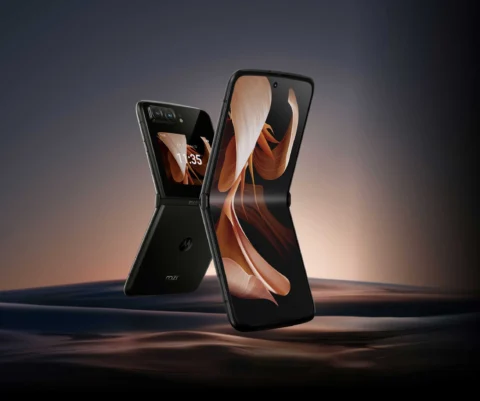
    At least for the moment, foldable phones are considerably more fragile than more common types of smartphones. The screens are plastic to allow folding, not glass, and with the first batch of Galaxy Folds, the gap between the screen and phone body will cause dirt to get inside — something Samsung learned very quickly. We already have a general idea of the reliability of the Motorola Razr, but JerryRigEverything has show us a better picture.

    https://www.youtube.com/watch?v=Eokt7DWljtU

    The video doesn’t begin out particularly well, scratching the display very quickly. The rest of the phone comes out better, covering most of the other elements in metal and glass. Zack later tries to push sand and rubble into the screen gap, and although the display opening sound makes me physically recoil like I’m watching Scott’s Tots, the display keeps working. Pocket sand can not damage the new Motorola Razr.

    The video seems to paint the Razer in a positive way; It certainly didn’t expect the touchscreen to continue to work after.

  • Useful fastboot commands

    Useful fastboot commands

    ADB and Fastboot commands are considered to be the system utilities that aid you in accessing the back end Android System when your device has been connected to Windows PC or Mac Or Linux.

    fastboot reboot

    To reboot your device

    fastboot reboot recovery

    To boot your device into recovery mode

    fastboot oem unlock

    Relocks the bootloader of your device

    fastboot oem unlock

    unlock your bootloader with this command

    fastboot oem device-info

    check bootloader lock/ unlock status

    fastboot flash recovery

    flash recovery using fastboot mode

    fastboot boot

    boot directly into recovery without installing it

    fastboot flash file

    flash flashable zip file from fastboot mode

    fastboot getvar cid

    display CID of your phone

    adb devices

    list of attached devices to computer

    adb reboot

    restart your smartphone

    adb reboot-bootloader

    reboot to bootloader or fastboot or download mode

    adb reboot recovery

    reboot your device into fastboot mode

    adb get-serial no

    get serial number of the connected devices

    adb install

    to install apps over adb

    adb install -r

    if you have already installed app and want to update it

    adb uninstall package_name.here

    uninstall an app using adb

    adb push (source) (destination)

    copy file from computer to smartphone

    adb pull

    copy file from phone to computer

    adb shell (command)

    run command in the terminal on the host android device

    adb backup

    create a backup of your device and store it to your computer

    adb restore

    restore backup to your phone

    adb sideload

    push and install flashable zip file or custom ROM on your device

    adb logcat

    shows you real time log of your phone

    adb reboot fastboot

    reboot your device into fastboot mode
  • Exclusive – Samsung’s Galaxy Note 10 Lite & Galaxy S10 Lite

    These are new and expected to be more affordable versions of the Galaxy S10 and Note 10 families.

    There’s also an expectation that both Lite phones are due to go on sale soon.

    From a Galaxy Note-only perspective, the changes with the Galaxy Note 10 Lite are less obvious compared to Galaxy S10 Lite. Both the Galaxy Note 10 and Note 10+ also feature a camera cutout in the same location as what’s shown here.

    Both Lite smartphones appear to share the same front design, including the location of the front-facing camera cutout and how many cameras are included.

    If you look close enough at the two renders then the bezels for the Galaxy Note 10 Lite do look a little thinner than those on the Galaxy S10 Lite. In addition, the earpieces also look a little different to each other. Although very few firm conclusions should be made on these points, considering the angle and style of the renders.

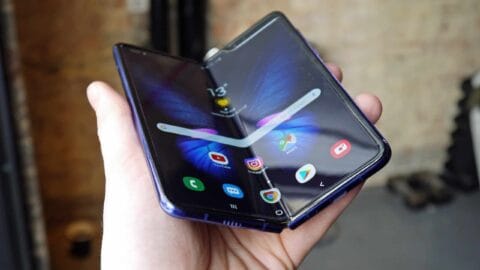
  • Galaxy Fold now in Canada

    Galaxy Fold now in Canada

    Canada is GREAT!

    But until now, the country was lacking one thing: the Samsung Galaxy Fold. I have no idea how the people of Canada managed to survive without access to Samsung’s latest flagship, but now the phone has officially arrived in the country.

    While the elusive Galaxy Fold is now available for purchase in Canada, it’s even harder to get there than in the US. While those of us in ‘Murica have a chance at finding it in a local carrier store or Best Buy, the Galaxy Fold in Canada will only be available from a handful of Samsung Experience Stores:

    • CF Sherway Gardens
    • CF Toronto Eaton Centre
    • Metropolis at Metrotown
    • West Edmonton Mall
    • Yorkdale Shopping Centre

    That means unless you live in Toronto, Edmonton, or Burnaby, you’ll have to go on an expedition if you want Samsung’s latest and greatest. Pricing starts at $2,599.99, which is fairly close to the ~$2,000 pricetag in America after currency conversion.